AFP:   Breaking  |  World  |  US  |  Politics  |  Business  |  Entertainment  |  Life  |  Science   |  Odd  |  Sports
Non-stop media coverage of US campaign comes in for critique
Share on Facebook Bookmark and Share
View larger image

Americans say the media are devoting too much ink and airtime to the US presidential race, amid growing criticism that news coverage has focused on the superficial instead of important issues.

Half of the public, 51 percent, say news outlets are offering "too much coverage of the campaign," according to a weekly poll by the Pew Research Center.

That was a marked rise from January, when only 36 percent believed the news media was devoting too much attention to the White House race.

During the Pennsylvania primary vote last week, close to half of all news coverage concentrated on the campaign even though only 25 percent of the public said they were interested in the subject, the Pew survey said.

A majority of 54 percent said they wanted news organizations to devote more airtime to the global food shortage. Only three percent of all US news focused on the food shortages, compared to 44 percent on the White House contest.

A narrow majority say the media coverage has been balanced towards the two Democratic candidates. Fifty-two percent say the press has been fair in its treatment of Senator Barack Obama, and 57 percent say coverage of his rival Hillary Clinton has been fair.

Obama is still seen by a larger number of voters as getting softer treatment at the hands of the press. In a CBS News/New York Times poll out Wednesday, one in three voters said the media have been harder on Clinton than other candidates.

But if Obama had an easier time earlier in the race, the past several weeks have been rough. The Illinois senator was thrown on the defensive about his remarks about "bitter" blue-collar voters and faced intense scrutiny over his ties to his controversial former pastor, Reverend Jeremiah Wright.

Media critics say the incessant focus on Wright is just the latest example of flawed reporting that has emphasized trivial questions of personality over serious issues affecting the future of the country.

The media's role in shaping the campaign came in for widespread criticism after the last debate between Obama and Clinton on April 6, with ABC television journalists accused of asking petty questions.

Obama complained afterward at rallies that it took 45 minutes before he was asked about policy.

News coverage has emphasized the "horse race" aspect of the campaign and personalities mainly because of the absence of major policy differences between the two Democrats, said Mike Traugott, professor of political science and communication at the University of Michigan.
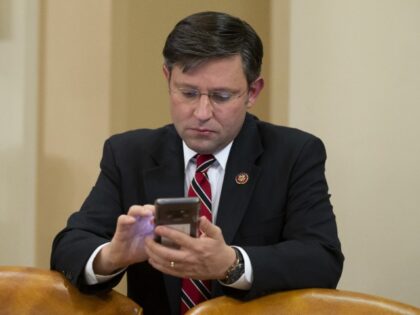
He said that "no matter what the intentions of the media would be, it would be hard to focus on policy when the contest is between two Democrats who have very little difference between them in terms of policy."

The candidates have complained that the media have blown up minor controversies into major news, such as Obama's association with his outspoken pastor or the former first lady's exaggerated account of her landing in post-war Bosnia.
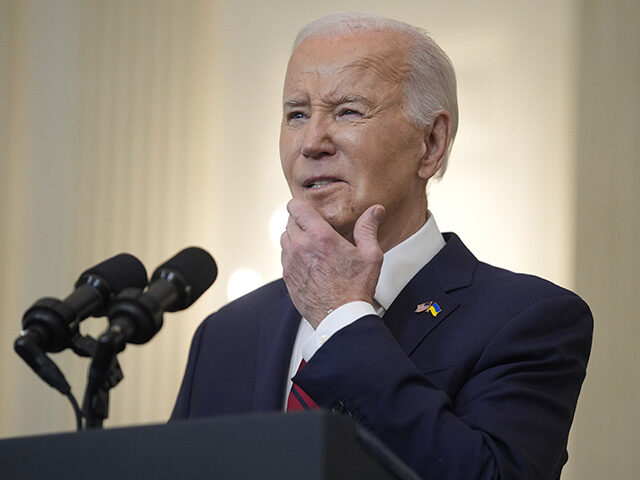
But Mark Jurkowitz, head of the Project for Excellence in Journalism, said while some outlets may have overdone those stories, "it would be hard to suggest that these stories didn't have an impact or they didn't deserve much of the play they got."

Whatever the merits of the news coverage, it appears to have had an impact on public perceptions of the candidates.

After coverage of Clinton's claim that she came under sniper fire upon arriving in Sarajevo, which she later retracted, fewer voters said the New York senator was honest.

Obama's image has also suffered.

The percentage of those who found him "down-to-earth" dropped nine points to 73 percent, voters who said he was inspiring dropped five points to 77, while 17 percent said he was arrogant, up four points from a previous survey.

The Pew survey was based on an analysis of media between April 21-27 and questions posed to 1,004 adults between April 25-28, with a margin of error of 3.5 percent. The poll on perceptions of Obama and Clinton came from a survey of 468 Democrats between April 23-27 and had a margin of error of five points.


Copyright AFP 2008, AFP stories and photos shall not be published, broadcast, rewritten for broadcast or publication or redistributed directly or indirectly in any medium