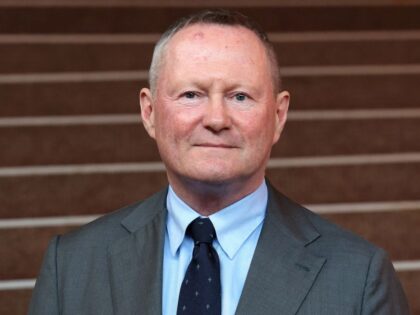
"I think the prime minister has to disconnect himself from the day-to-day running of the state," said Barak, who heads the Labour party, a key ally in the government coalition.

"I don't mind if he suspends himself, takes leave or resigns," said Barak, himself a former premier.
"Unless (Olmert's centrist party) Kadima acts and a new government that we support is formed in parliament we will work to decide on a new agreed early date for elections."
Barak made the remarks one day after a wealthy US financier testified before a Jerusalem court that he gave Olmert vast amounts of cash to fund his political ambitions and perhaps his lifestyle.
"I don't think that the prime minister can simultaneously run the government and take care of his personal affairs," Barak said.
Olmert has denied allegations of wrongdoing.
He has gained a reputation as the ultimate political survivor for weathering corruption scandals, low popularity ratings and several calls for his resignations since he became prime minister in 2006.
But now that even his coalition partners have taken the gloves off, his political future appears increasingly uncertain.
Should the 17 Labour MPs quit the coalition, the government, which currently has 67 seats in the 120-member Knesset, would lose its parliamentary majority.
The premier also faced pressure from leftist parties even though in the past they have supported governments involved in the peace process.
"I am fully in favour of negotiations with Palestinians and Syria, but Olmert cannot from a moral point of view carry out such discussions following the damaging testimony by Morris Talansky," said Ran Cohen of the Meretz party.
But the premier's public relations advisor Tal Silberstein told army radio: "The prime minister does not intend to step down."
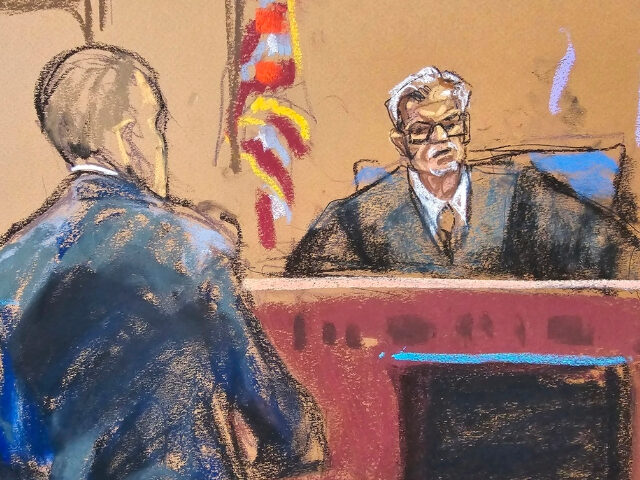
The affair gained momentum after Morris Talansky, a wealthy Jewish-American businessman, testified at a Jerusalem court on Tuesday that he gave Olmert 150,000 dollars.
The 75-year-old financier said in sworn testimony that could later be used at a trial that he handed envelopes stuffed with cash to Olmert and his assistant.
The payments were made over a period of 14 years from the time Olmert ran for mayor of Jerusalem until he became prime minister in 2006.
"I gave some money to Olmert for his (election) campaigns in 1991 and 1992... He told me that he would prefer cash, and I gave him first some money from my private funds, then some money collected in the United States on his behalf," said Talansky.
The Jerusalem Post said that while dramatic, the testimony was not decisive.
It appears, the English-language newspaper said, that "the state still has a long way to go to shore up its case."
But Haaretz said the embattled prime minister should "explain or resign."
"If Olmert insists on continuing to retain his position at the government's helm, he is obliged to appear before the public, without delay, and present his version of the facts," it said.
Several members of Olmert's Kadima party have already let it be known they would be willing to accept the prime minister's job, including Foreign Minister Tzipi Livni, Transport Minister Shaul Mofaz and Internal Security Minister Avi Dichter.
Olmert has been questioned twice by anti-fraud squad officers investigating the corruption claims.
While he denied the allegations, he said he would quit if indicted.
Olmert who was mayor of Jerusalem and trade minister before becoming premier in 2006, is the subject of three more police inquiries into suspected corruption involving potential conflicts of interest, fraudulent property transactions and abuse of power in connection with political appointments.