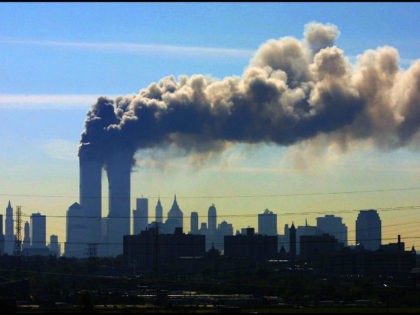
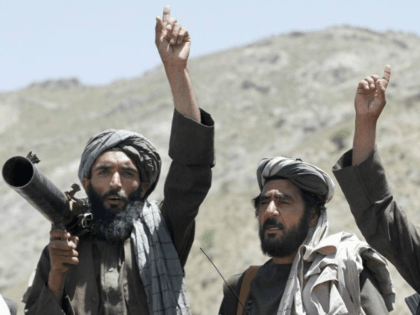
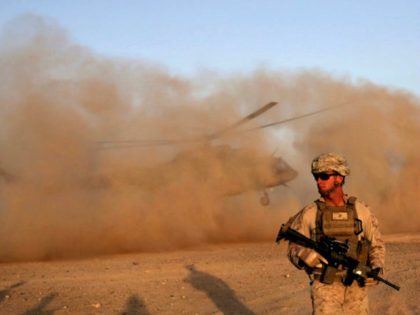
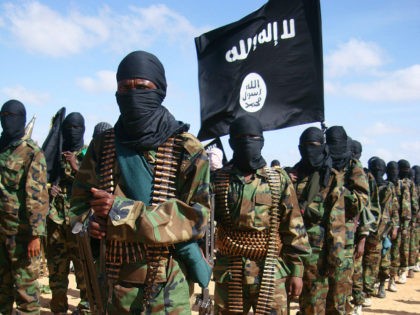
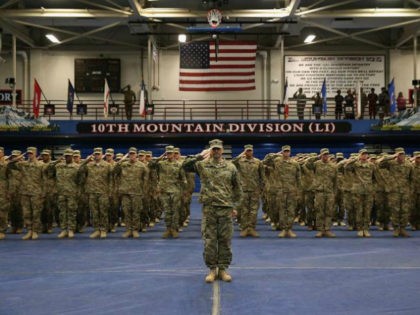
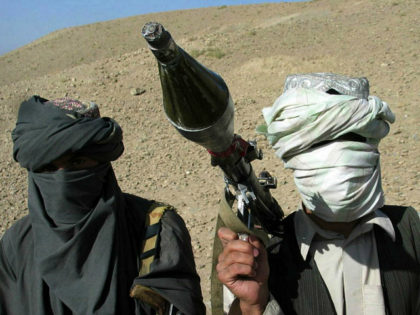
Al-Qaeda and the Afghan Taliban, the jihadi allies responsible for the September 11, 2001, attacks on the American homeland, have grown stronger in the last 16 years despite the thousands of U.S. military casualties from the ongoing fight against the terrorist groups.
Beijing has indicated that it will continue to take advantage of America’s efforts to stabilize Afghanistan, supporting its ally Pakistan as it harbors the Afghan Taliban while mining Afghanistan’s resources.
China has come out in defense of its ally and nighbor Pakistan after U.S. President Donald Trump accused the Muslim-majority country of harboring Islamic terrorists, something that Beijing itself has acknowledged.
Al-Shabaab, an al-Qaeda (AQ) affiliate based in Somalia, has claimed responsibility for dressing in local military attire and decapitating up to five Christians in Kenya, where more than 80 percent of the population adheres to the Christian faith.
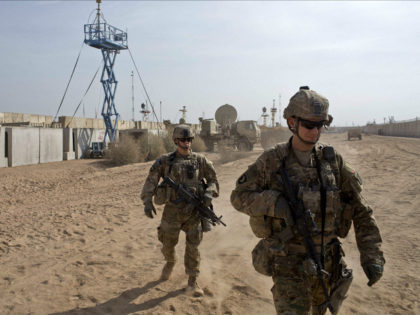
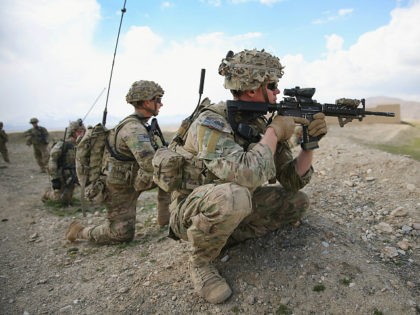
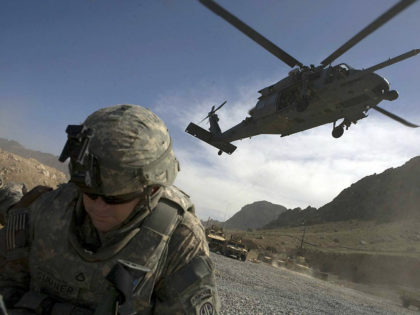
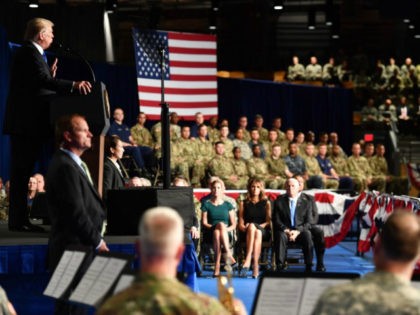
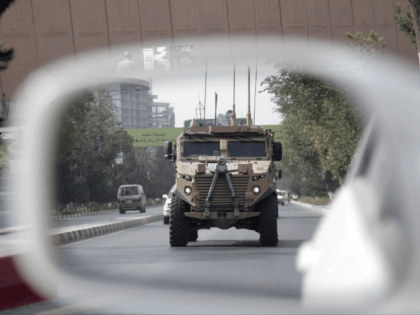
The United States will deploy 3,500 American troops to Afghanistan as part of President Donald Trump’s strategy to end the 16-year-old war, bringing the number of U.S. service members there to more than 14,000, according to American officials.
The United States military has apologized for offending Afghan Muslims by air dropping anti-Taliban leaflets that contained an image of a dog, along with Quranic verses found on the jihadist organization’s flag.
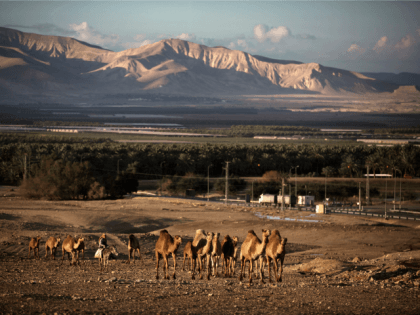
United States-Backed Afghan National Defense and Security Forces (ANDSF), which includes military and police units, reportedly seized about 1,260 kilograms of hashish that unnamed smugglers loaded on five camels to transport to an unknown location.
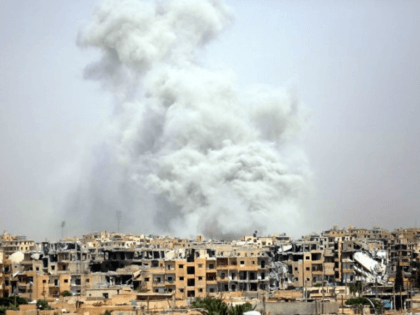
The U.S.-led coalition delivered food and water to a convoy of Islamic State (ISIS/ISIL) terrorists and their alleged families that American airstrikes stranded in Syria last week after Hezbollah, the Syrian regime, and Lebanon defeated the jihadists and struck a deal allowing them safe passage to the jihadist-held territory near the border with Iraq.
The Islamic State (ISIS/ISIL), as it increasingly shrinks both in manpower and territory in its so-called caliphate in Iraq and Syria, is once again intensifying its efforts to attract jihadi women willing to engage in combat with their enemies, a sign that the group is desperate for fighters.
Pakistan has rebuked a declaration by the BRICS nations, supported the Muslim-majority country’s ally China, that denounces Islamabad-affiliated terrorist groups as a threat, bringing the alliance of deveoloping countries closer in line with positions of the United States and its allies.
The few Christians who remain in Iraq after losing thousands to genocide at the hands of the Islamic State (ISIS/ISIL) are once again urging Baghdad to allow them to establish their own independent state in Iraq.
A controversial ceasefire deal between the Sunni Islamic State (ISIS/ISIL) jihadist group and Iran’s narco-terrorist proxy Hezbollah has provided the Shiite militia organization with uncontested control over a large area in Lebanon along the border with Syria, reports Voice of America (VOA).
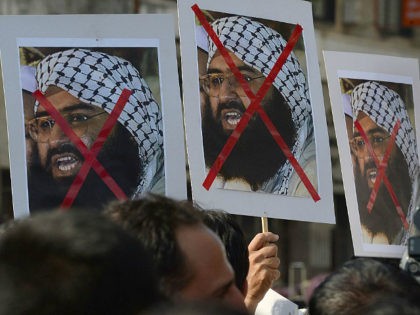
The BRICS coalition of nations has officially denounced various Islamic terrorist groups affiliated with Pakistan without naming the country, marking a significant victory for India while hinting that China might be changing its position towards its ally Islamabad.
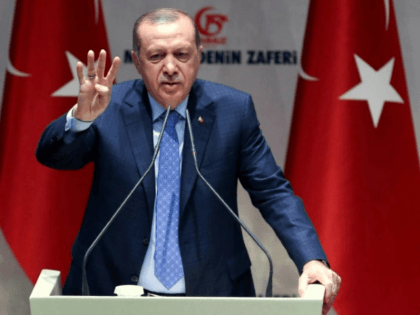
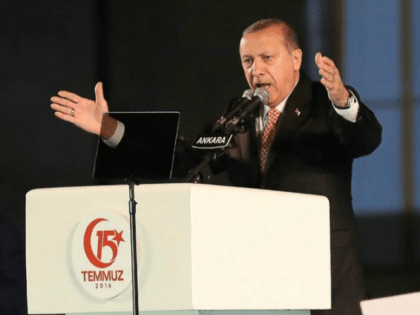
Turkish President Recep Tayyip Erdogan hinted this week that Ankara is considering escalating its military operations in neighboring Iraq and Syria in the name of national security.
Turkey has questioned the merits of the U.S. Department of Justice (DOJ) indictment against Turkish security personnel accused of brawling with protesters during President Recep Tayyip Erdogan’s visit to the American capital in May, decrying the charges as “unfounded” and “biased.”
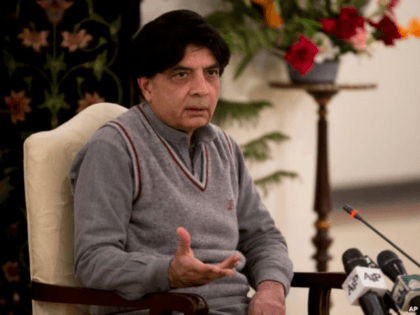
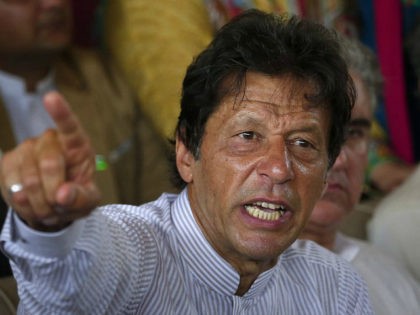
A leader of the ruling party in Pakistan has reportedly denied that the United States has provided about $30 billion in American taxpayer funds for security and economic aid to Pakistan since the war started in neighboring Afghanistan 16 years ago.
U.S. Attorney General (AG) Jeff Sessions has described drug overdose deaths in the United States, which more than doubled the worldwide total number of terrorism-linked fatalities last year, as “the top lethal issue” in the country, echoing other national security officials from President Donald Trump’s administration.
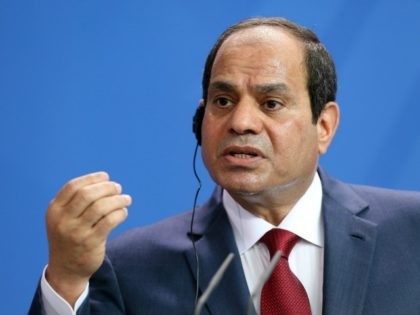
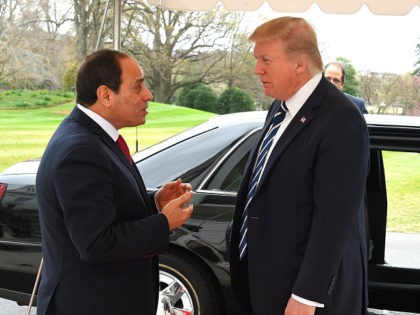
Egyptian President Abdel Fattah el-Sisi has agreed to attend an international summit in Beijing early next month at the behest of his Chinese counterpart, according to the presidential office in Cairo.
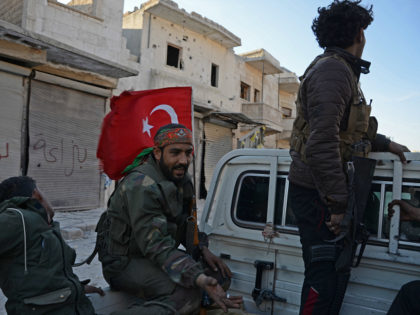
American forces have clashed with Turkish-backed rebels in northern Syria, reports CNN, citing an unnamed military official with the U.S.-led coalition against the Islamic State (ISIS/ISIL).
Egypt is expected to reopen religious training camps to reportedly promote female Muslim preachers for the first time and combat Islamic extremism, six years after they were shut down.
U.S. Secretary of State Rex Tillerson told American lawmakers in a letter this week that his department will abolish many of the nearly 70 U.S. special envoy positions, including the ones charged with shutting down the U.S. military prison in Guantánamo Bay, Cuba, and dealing with the Iran nuclear deal.
A Department of Defense spokesman revealed Monday that the Pentagon cannot employ U.S. President Donald Trump’s strategy for the war in Afghanistan because critical military decisions have not yet been made.
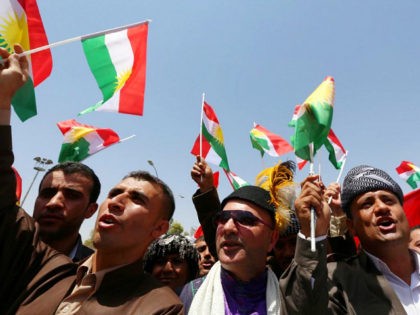
The Iraqi Kurdish people, in their ongoing fight to become a sovereign nation, “must learn” from the similar history of suffering and persecution experienced by the Jews as they struggled for international recognition as a nation-state, argued a Kurdish author in an opinion article Monday.
The government of Egypt indicated that it was caught off-guard by the U.S. decision to delay $195 million in military aid and completely cut $95.7 million in additional assistance, saying it was only given “a few hours” before the Trump administration made the move public, contradicting claims by the State Department.
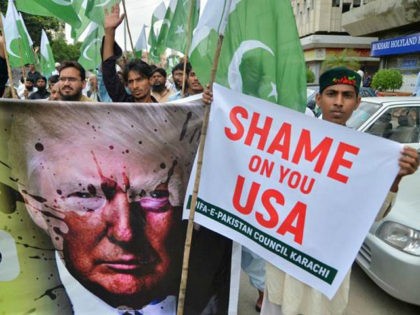
U.S. President Donald Trump’s announcement last week that his administration will pressure Islamabad to stop harboring Islamic terrorists has reportedly induced Pakistan to postpone a visit by a top U.S. diplomat.
Iran’s narco-terrorist proxy Hezbollah, backed by dictator Bashar al-Assad’s Russian-allied army, has captured most of an Islamic State (ISIS/ISIL)-controlled region on Syria’s side of its border with Lebanon, according to the Shiite group’s leader.
The Pakistani government, long accused by New Delhi of harboring jihadist groups, has returned the favor, accusing India of being a state sponsor of terrorism for allowing Hindu extremists to infiltrate its government.
U.S. President Donald Trump’s strategy to end the war in Afghanistan is “determined” to pressure the Taliban into reconciliation and a political settlement with the Kabul government by making the jihadists realize they cannot win, declared the top American commander in the war-ravaged country, echoing the State Department and the Pentagon.
Sunni Saudi Arabia has reportedly embarked on a U.S.-brokered effort to expand its diplomatic presence, open direct flights, and reopen border crossings with its Shiite-led neighbor Iraq to weaken its rival Iran’s growing influence in the region.
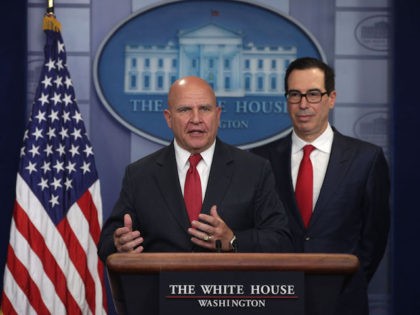
U.S. National Security Adviser H.R. McMaster told reporters that President Donald Trump’s administration will win in Afghanistan by allowing the country to “be Afghanistan” rather than trying to “create a state in the U.S. image.”
The Pakistani government, facing pressure from U.S. President Donald Trump to stop supporting jihadists fighting and killing American troops in Afghanistan, intends to closely collaborate with the United States to end to 16-year-old war, according to Islamabad’s ambassador to the United States.
American troops in Afghanistan are still fighting the Taliban under an authority granted by former U.S. President Barack Obama in June 2016 that allows American service members to aggressively target the jihadists, Breitbart News has learned.
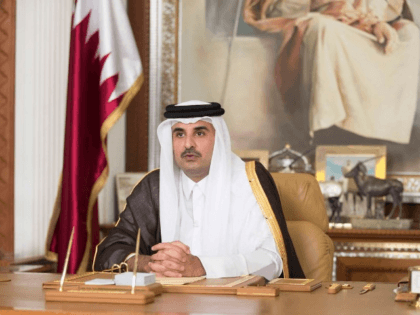
Qatar has fully rekindled its diplomatic relationship with state sponsor of terrorism Iran, disregarding the demands of U.S.-backed Arab countries that have severed ties with Doha to isolate it over its alleged links to the Islamic Republic and various jihadist groups.
Additional U.S. service members are expected to start deploying to Afghanistan within days to weeks as part of President Donald Trump’s newly unveiled strategy to ultimately end the conflict and eradicate the jihadi threat stemming from the country.
The Taliban has once again targeted members of the Afghan security forces while they collected their pay, killing at least seven people, including two women and a child, and injuring more than 40 others, mostly civilians, in the jihadist group’s stronghold of Helmand province, located along the Pakistan border in southern Afghanistan.
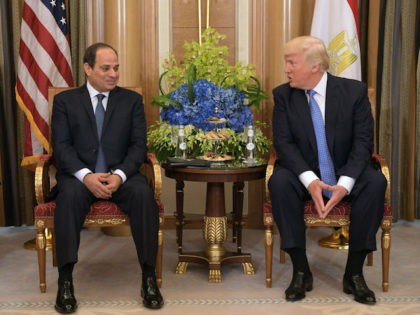
U.S. President Donald Trump’s administration is delaying $195 million and ultimately denying an additional $95.7 million in aid to American ally Egypt over a “lack of progress in key areas, including human rights” and democratic “governance,” the U.S. State Department and White House have confirmed to Breitbart News.
Afghanistan and India have welcomed the Afghan war strategy recently unveiled by the U.S. president, but Pakistan came out on the defensive, rebuking Donald Trump for admonishing Islamabad over its affiliation with jihadist organizations.
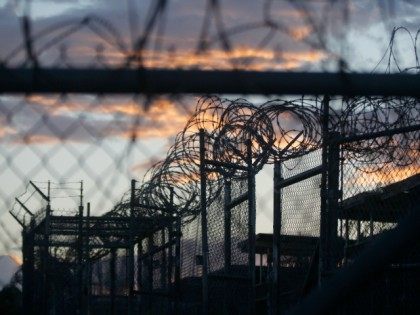
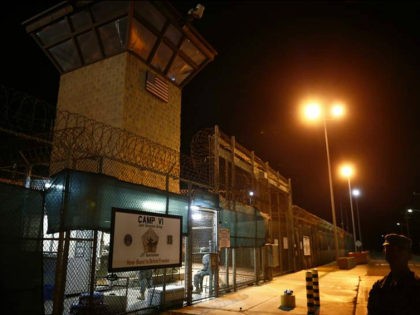
U.S. President Donald Trump’s Pentagon is reportedly expected to spend nearly half a billion dollars on new construction at the American military detention center in Guantanamo Bay, Cuba, a sign that the commander-in-chief may keep his campaign promise to use the prison to house newly captured jihadists.
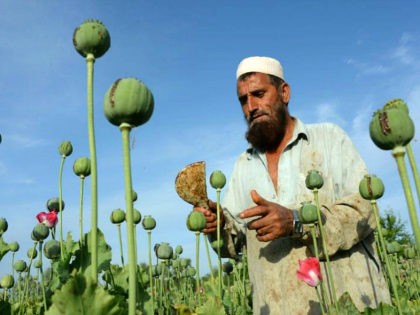
U.S. President Donald Trump, while announcing on Monday his new strategy for dealing with the nearly 16-year-old war in Afghanistan, failed to explicitly address the historic levels of opium production there, a lucrative source of funding for the Taliban, the country’s leading terrorist organization.
The United States government has invested more than $160 million since 2009 on a failed program to combat the endemic corruption that continues to plague one of the largest revenue sources for the Afghan government, the cash-based system to collect customs duties on goods entering Afghanistan, reveals a U.S. watchdog agency.