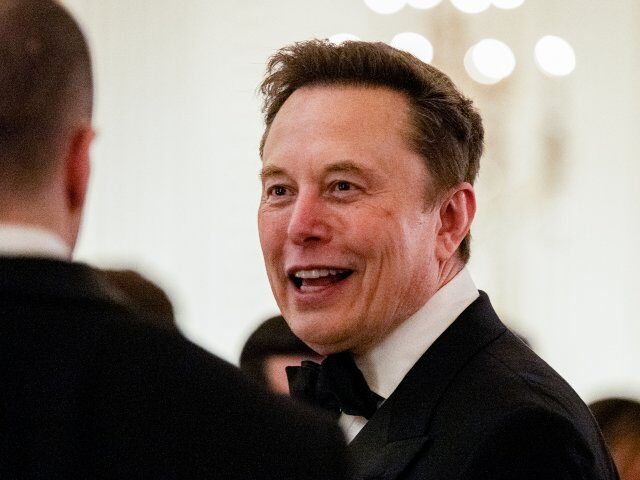

Elon Musk says that Tesla and SpaceX have each set up special committees to discuss a possible merger between the two companies he leads as CEO.
The Wall Street Journal reports that Musk made the announcement on SpaceX’s quarterly earnings call, saying he is not part of either committee evaluating the combination. “The special committees have not reached an agreement of the terms of any transaction and there is no guarantee that they will but I do think there is a lot of merit in combining the companies,” he said.
Any deal would need a vote from shareholders of both companies. Tesla is valued at around $1.5 trillion and SpaceX at around $2 trillion. Musk holds substantial ownership stakes in both and has majority voting power at SpaceX.
Musk founded SpaceX in 2002 with proceeds from the sale of PayPal, which he co-founded. He joined Tesla’s board after investing in the company in 2004 and became its CEO in 2008. Folding SpaceX into Tesla would echo a pattern: Musk led the merger of his AI startup xAI into SpaceX earlier this year, and he was Tesla’s largest shareholder when it bought the struggling solar energy company SolarCity, which he was the largest shareholder of, in 2016.
SpaceX’s financial results, also released Tuesday, showed quarterly revenue of $14.6 billion, more than double what it reported a year earlier and ahead of analyst forecasts polled by FactSet. The company posted an overall profit of $4.4 billion for the quarter. Capital expenditures reached $19.6 billion, up from $6.9 billion a year earlier, and Chief Financial Officer Bret Johnsen said the company expects capital spending to nearly double again next quarter.
Musk opened the call, livestreamed on X, with a simulated video of an upcoming Starship launch set to classical music, calling it a “milestone in the history of civilization and consciousness.”
Much of the quarter’s growth came from the company’s AI business, which Musk recently renamed “SpaceX Super Intelligence.” Revenue from that segment surged nearly 830 percent to $7.6 billion, fueled by the February acquisition of xAI. The unit includes income from renting out data-center space to other AI companies, subscriptions to the Grok chatbot, and the GrokBot virtual assistant, which came through the $60 billion Cursor acquisition. Musk said SpaceX could be running about 13 gigawatts of computing power by the end of next year, with the potential to climb to 23 gigawatts. The company had 1.7 gigawatts in operation during the third quarter.
SpaceX’s traditional space business brought in $1.8 billion in revenue, up 6 percent from a year ago. Its connectivity business, which includes Starlink, reported $5.2 billion in revenue, up nearly 70 percent. Starlink’s consumer subscriber base grew to 13.6 million as of September 30, up from 12 million three months earlier. Executives pointed to newly acquired spectrum and said SpaceX wants to become a major U.S. mobile phone service provider.
Executives also addressed Starship, the roughly 400-foot rocket central to SpaceX’s future plans. They said the vehicle needs to fly regularly to support NASA lunar missions, bolster Starlink and eventually deploy AI data centers in space, something Musk said could happen as soon as 2027. In late September, SpaceX launched a Starship test flight that demonstrated the rocket’s ability to reach orbit. Musk said he expects the next test flight next month, which will include an attempt to catch the booster and upper stage for potential reuse.
Read more at the Wall Street Journal here.
Lucas Nolan is a reporter for Breitbart News covering issues of AI, free speech, and online censorship.
COMMENTS
Please let us know if you're having issues with commenting.