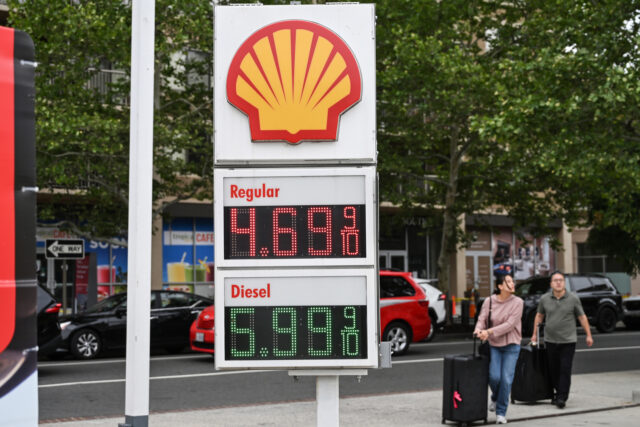

Consumer sentiment fell to the lowest level on record, pulled down by concerns over high gas prices and rising inflation.
The University of Michigan’s index of consumer sentiment dropped to 44.8 in May, data released Friday showed. This was weaker than even the lowest projections in a survey of Wall Street economists by Econoday and lower than the preliminary May reading of 48.2.
The final April reading was 49.8. May was the third consecutive monthly decline, with the index falling each month since the war with Iran began and gasoline prices began climbing to multi-year highs.
Both the gauge of current conditions and the gauge of expectations decline.
“Consumer sentiment fell for the third straight month as supply disruptions in the Strait of Hormuz continue to boost gasoline prices. Sentiment is now just below the previous historical trough seen in June 2022,” said Joanne Hsu, the director of the survey.
Hsu said that the cost of living continues to be the top concern, with 57 percent of consumers spontaneously mentioning that high prices are eroding their personal finances. That’s up from 50 percent in April.
“Lower-income consumers and those without college degrees posted particularly strong sentiment declines; these groups are more sensitive to increases in the cost of gas and other essentials. Independents and Republicans saw decreases in sentiment, with both groups reaching their lowest readings of the current presidential administration,” Hsu said in a statement. “Meanwhile, sentiment of Democrats was little changed from last month. Critically, consumers appear worried that inflation will increase and proliferate beyond fuel prices, even in the long run.”
Consumers expect prices to rise 4.8 percent over the next year, up from 4.7 percent in April. Longer-term inflation expectations are also climbing sharply, a development that may raise alarms among officials at the Federal Reserve. Consumers now expect prices to rise at an annualized 3.9 percent over the next five to 10 years, up from 3.5 percent in April. Most top Fed officials believe that inflation expectations have a strong influence on actual inflation.
COMMENTS
Please let us know if you're having issues with commenting.