Most Germans Worried About State of Their Country as Populist Right Rides High in the Polls
Big majority of Germans say they are “concerned” about the state of the government and say they see no political options for improvement.

Big majority of Germans say they are “concerned” about the state of the government and say they see no political options for improvement.

The overwhelming majority of the German public is dissatisfied with the performance of Chancellor Friedrich Merz’s coalition government on immigration.

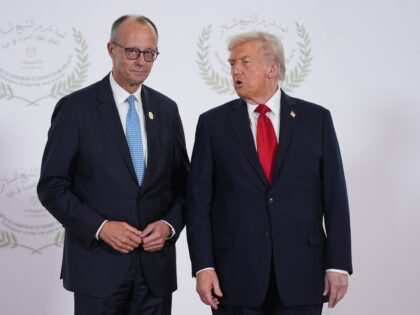
Chancellor Merz’s bid to bolster his domestic image by appearing tough on President Trump appears to have gained him little traction, with the German leader enjoying rock-bottom approval domestically and the lowest approval of any major European leader.

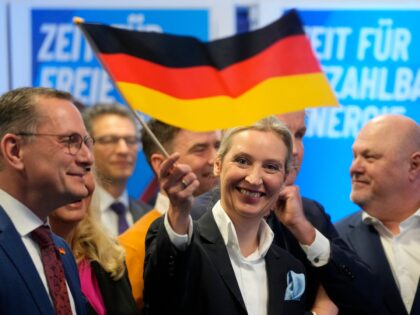
The populist Alternative for Deutschland (AfD) party secured its strongest ever result in a West German state election on Sunday, while winning the youth vote as the establishment Social Democrats continue to slide.

The state branch of the populist Alternative for Germany (AfD) party in Lower Saxony has been officially classified as a “right-wing extremist organisation”, opening the door to further state surveillance of its officials.

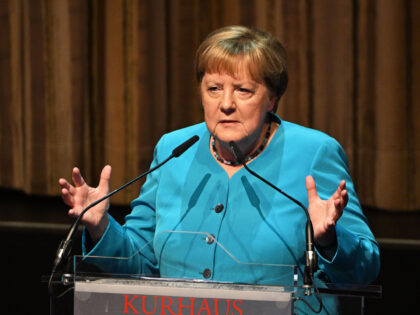
Architect of the European Migrant Crisis, former German Chancellor Angela Merkel, criticised the current government in Berlin for refusing migrants claiming asylum at the border.

In his first address to the Bundestag parliament on Wednesday, Chancellor Friedrich Merz vowed to rearm Germany so that the country would have the “strongest” military force in Europe.

Germany’s political police bureau has temporarily suspended wiretaps of AfD parliamentarians pending an urgent legal review filed by party.

German Chancellor Friedrich Merz’s party has signalled a willingness to partner with the far-left Die Linke despite previously vowing never to work with the descendant party of the communist government of East Germany.

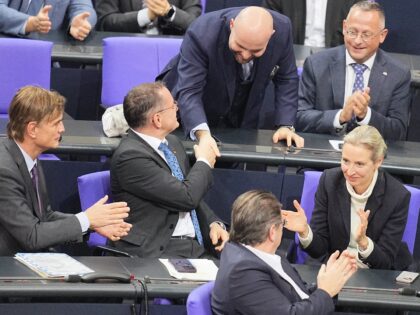
AfD called for fresh national elections after, for the first time in history, the would-be next chancellor failed to be elected by Parliament.

The anti-mass migration Alternative for Germany (AfD) has topped a national poll for the first time in the party’s history, as support for the incoming government continues to slide.

Coalition negotiations to form the next government of Germany concluded on Wednesday, paving the way for another establishment government in Berlin as Chancellor Friedrich Merz capitulated to the election-losing leftist party on key issues including immigration, energy, and the economy.

Six weeks after voters in Germany went to the polls for the federal elections, there appears to be growing dissatisfaction with the outcome, as more Germans shift their support to the populist Alternative for Germany (AfD) party.

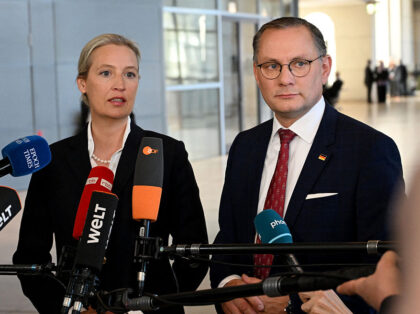
Alternative for Germany leader Alice Weidel has accused the supposedly conservative Christian Democrats of abandoning their promises of clamping down on migration following the election.

Support for the populist Alternative for Germany (AfD) party has soared to its highest level in over a year as the recent election-winning centre-right party continues caving to the demands of leftist parties.

Germany’s incoming chancellor is facing accusations of betraying voters after bending to the leftist demands on spending and climate to push forward fresh defence spending.

The two establishment parties in Germany have agreed to a framework for coalition talks to form the next government in Berlin that looks set to be dominated by leftist and environmentalist demands despite the voters clearly rejecting such policies last month.

Hours after his party’s victory in Germany’s federal elections, likely incoming chancellor Friedrich Merz began to soften his stance on immigration as he looks to form a coalition with leftist parties rather than the anti-mass migration Alternative for Germany.

Following his party’s victory in federal elections on Sunday, the likely next Chancellor of Germany, Friedrich Merz, rejected overtures from President Donald Trump while calling for “independence” from the United States and accusing Washington of election interference.

The exit polls for the federal elections in Germany predict that the neo-liberal Christian Democrats have come out on top, with the support of around one in three voters, with the populist Alternative for Germany (AfD) coming in a strong second place at nearly 20 per cent, beating out all members of the former ‘traffic light’ coalition government of likely outgoing Chancellor Olaf Scholz.

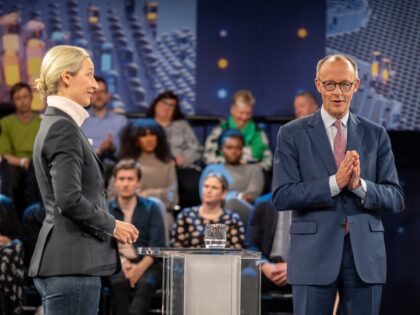
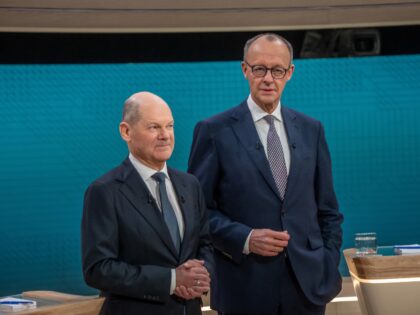
The leader of the centrist Christian Democratic Union doubled down on his vow to not form a coalition with the populist Alternative for Germany as he squared off with Chancellor Olaf Scholz in a debate held two weeks before Germans head to the polls for a federal election.

In what may serve as a pivotal moment of the federal election campaign and perhaps the future of German politics as a whole, the ‘firewall’ baring establishment parties in Berlin from working with the AfD broke down on Wednesday as Angela Merkel’s former party partnered with the populist party on a vote calling for migration restrictions.

The likely next Chancellor of Germany has categorically ruled out a coalition between his supposedly centre-right conservative party and the populist Alternative for Germany (AfD), opting instead to partner with a leftist party.

It is time for democracy to find answers to economic stagnation, mass migration, and wars in Europe and the Middle East, the President said.

The leader of the anti-mass migration Alternative for Germany (AfD) party Alice Weidel has surged to the top of the polls of preferred chancellors for the upcoming February elections.
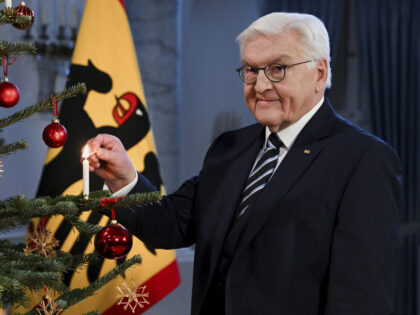
Germany will elect its next government seven months early as the precarious “progressive coalition” of left-wing and centrists collapsed.

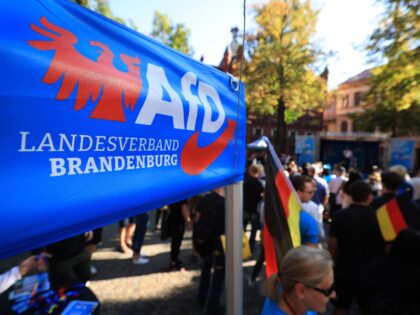
The populist Alternative for Germany (AfD) party is officially the strongest faction in East Germany following the regional elections in Brandenburg on Sunday.

A “software error” in one state was blamed for changing the initial official results, taking two seats away from the right.

German Chancellor Olaf Scholz’s government has shut down calls for an election despite a humiliating defeat in the EU Parliament elections.
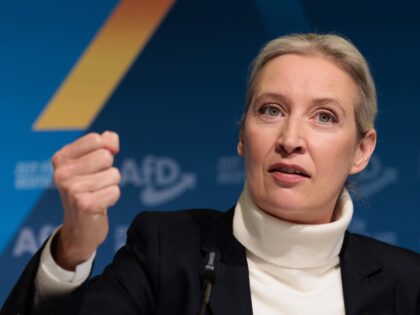
The French centre-right Les Républicains declared they will not back European Commission President Ursula von der Leyen for a second term.

Ursula von der Leyen has thrown her hat into the ring to seek another five years as the top official in the EU, despite a chaotic first term.

The Alternative for Germany party has surged to its highest level of support as populist policies continue to gain traction in the country.

The populist Alternative for Germany (AfD) party has surged ahead of the country’s Green party, polling on Wednesday has suggested.

Former Chancellor Anglea Merkel will recieve Germany’s highest award despite the European Migrant Crisis and the Russian energy calamity.

The termination of all remaining nuclear power plants on Saturday marks a “black day” for Germany, the leader of the CDU has said.

The result of Berlin’s election is now in doubt after hundreds of postal ballots turned up late in a development that could benefit the left.

Support for left-wing parties has collapsed in Berlin after elections were re-run in the city on Sunday over “errors” in the previous ballot.

Mask mandates are still in force in Germany, leaving The President of the Federal Republic red-faced after he was caught bare-faced.

The head of the German opposition has claimed that a number of migrants from Ukraine are engaging in so-called “welfare tourism” in his country.

Germany’s economic and climate minister has angrily lashed out at Angela Merkel’s former Christian Democratic Union party, describing it as being responsible for “16 years of energy policy failure”.