August Consumer Price Data Show No Tariffs Pressure At All
New data from the Consumer Price Index once again demonstrate that tariffs are not raising prices for consumers.

New data from the Consumer Price Index once again demonstrate that tariffs are not raising prices for consumers.
Consumer price inflation remains very low, defying predictions that tariffs on metals and Chinese goods would squeeze U.S. families.
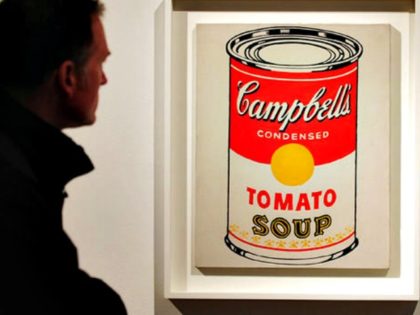
Tariffs have not pushed up consumer prices. The consumer price index ticked up just 0.1 percent in June, the Department of Labor said Thursday. Compared with a year ago, prices rose just 1.6 percent, a deceleration of price gains from
The data defy the dire predictions of experts who forecast consumers would foot the bill for tariffs.

Prices of cars, trucks, and soup are up by less than 1 percent compard with a year ago. TV prices have fallen by 19.3 percent
Excluding food and energy, inflation was at its tamest since February of 2018. Economists had expected higher prices.
Who pays for tariffs? A year after Trump announced tariffs on steel and aluminum, there’s no sign of tariff induced-inflation.
Still no signs that the price level of consumer goods is rising due to a rising budget deficit or tariffs on imported goods.

Consumer prices once again demonstrate that American households are not being squeezed by tariffs on metals and China imports

Inflation is running well below expectations with U.S. consumer prices unchanged in January, the third consecutive month of flat prices.

Consumer prices on many items subject to tariffs actually fell in December, defying predictions that the trade war would weigh on American consumers.
Inflation is still very tame and even seems to be slowing down.

They keep saying tariffs are taxes on American consumers and forcing prices higher. And every month inflation data shows that is not true.
The latest data from the Labor Department shows that the prices of many things subject to Trump’s tariffs are actually falling.