In Violent Shift, Market Now Says Fed Is Likely To Raise Rates by 75 Basis Points
A week ago, the Fed Funds futures market implied a 4 percent chance of a 75 basis point hike. Now it implies a 90 percent chance.
A week ago, the Fed Funds futures market implied a 4 percent chance of a 75 basis point hike. Now it implies a 90 percent chance.
Sixth month in a row of double-digit inflation.
Transporting goods across the U.S. keeps getting more and more expensive with each passing month. Pete Buttigieg call your office!

Prices charged by U.S. businesses for goods and services sold to households, businesses, and governments are up more than expected.

Prices keep surging higher.
The highest full-year producer price inflation on record.
Inflation in the prices of goods and services purchased by businesses soared in November.
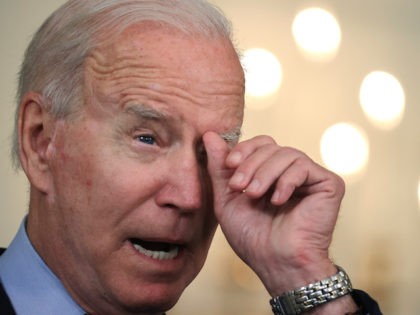
Inflation continued to run hotter than expected in November.
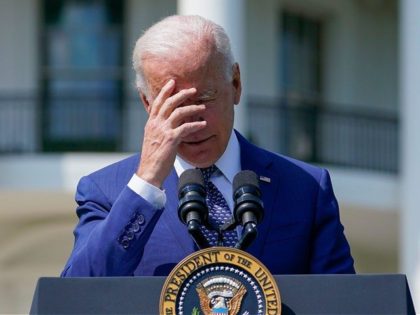
This may be the most expensive Thanksgiving in history.

Prices rose 8.6 percent from a year ago in October, the second consecutive month of the fastest annual pace of inflation in records going back 10 years. The Department of Labor said the Producer Price Index accelerated to show a
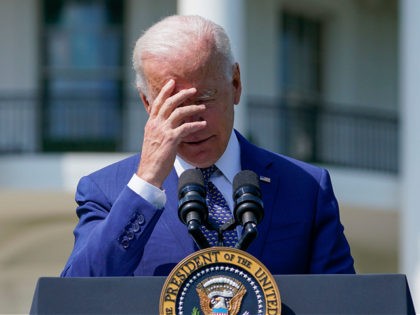
The Department of Labor issued its twin inflation reports, known as the Consumer Price Index and the Producer Price Index, this week. They both showed the prices of many popular holiday gifts have shot up over the past twelve months.

Think inflation is bad at the retail level? Take a look at what’s happening behind the scenes in Joe Biden’s economy.

Peeling back the layers of the supply chain reveals extreme inflationary pressures and bottlenecks in warehousing and shipping.
Putting food on the kitchen table has become much more expensive, squeezing household budgets at a time when many families are already stressed by the Delta variant surge hitting as kids go back to school. Food prices rose a full
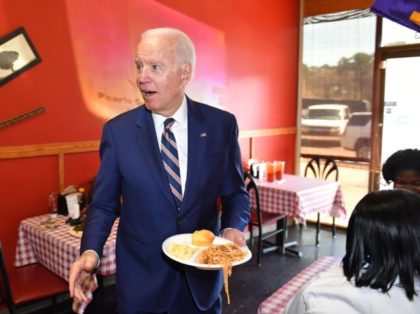
Prices charged by U.S. businesses jumped higher in August, data from the Department of Labor said Friday.
Furniture, appliances, and home electronics are all getting pricier.
Instead of cooling off, producer inflation came in even hotter in July.
Economists had been expecting an increase of 0.6 percent, below the 0.8 percent initially reported for May. On a 12-month basis, the consensus forecast was for 6.8 percent.
The Producer Price Index rose 6.6 percent in May from 12-months earlier, the highest recorded for the series since at least 2010.
Prices received by businesses for goods and services jumped 6.2 percent compared with a year ago.
Black unemployment is up. Gasoline prices are up. Food prices are up.

Prices rose much faster in March than economists had forecast.
U.S. producer prices increased by the most since 2009 in January, according to a report released Wednesday by the Department of Labor.

A bit above expectations but still a signal that there is very little inflation in the U.S. economy.
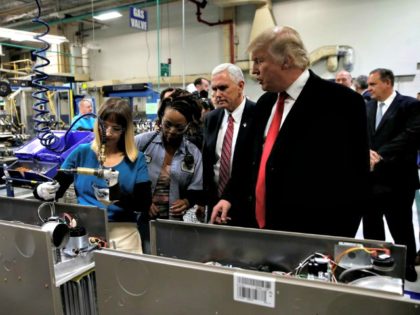
Businesses garnered higher prices for goods and services in September, an indication of rising demand and an easing of deflationary pressures from the pandemic and social distancing rules. The Producer Price Index, which measures prices received by businesses up and

Profit margins for many merchants rose in August, indicating healthier demand than expected amid the pandemic.

The price of gasoline jumped more than 10 percent in July while food prices fell.

Margins were squeezed in June as the economy grappled with an unsteady reopening, rioting, and widespread social unrest.

Beef prices jumped 69 percent in May, according to the Producer Price Index.

The price of chicken crashed while the price of beef soared.
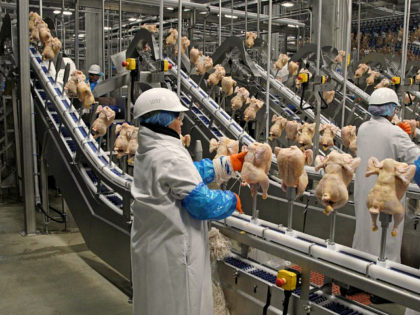
The latest Producer Price Index data debunks the idea that tariffs have squeezed American consumers.

As it turns out, Breitbart has been right all along. Tariffs did not squeeze American consumers.

The holiday season and surging consumer sentiment is not pushing up prices. Prices received by U.S. businesses were unchanged in November, indicating extremely low inflationary pressure in the economy despite very low unemployment, recent tariff hikes, and rising wages, according

Tariffs did not raise prices on consumers. But they did initially pressure profits. The latest price data shows that has eased.

The biggest surprise: prices of materials for consumer goods are falling and business margins are improving.

Prices of goods, less food and fuel, unexpectedly fell in July, once again demonstrating tariffs are hurting U.S. consumers.|
Prices for goods in the U.S. dropped 0.4 percent in June even as tariffs on $200 billion of Chinese imports rose.

The acting White House chief of staff explained this morning’s price data. Importers pay tariffs but consumer prices aren’t rising.
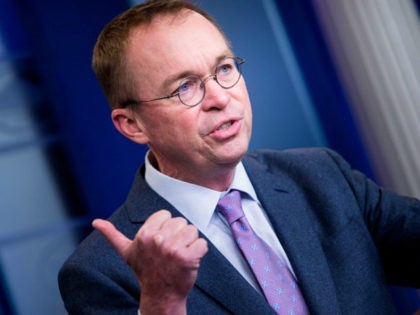
Claims that the China or metals tariffs are squeezing consumers lack any basis in fact, the most recent inflation data show.

Neither the tariffs placed on steel and aluminum a year ago nor the more recent ten percent tariff on Chinese goods has pushed prices of goods sold to consumers up.