U.S. Factories Shift Into Higher Gear at Start of 2026 in Broad Acceleration
American manufacturing roared back to life in January, posting its strongest performance in nearly four years and ending more than two years of persistent contraction.

American manufacturing roared back to life in January, posting its strongest performance in nearly four years and ending more than two years of persistent contraction.
U.S. manufacturing activity sent conflicting signals in May, as two closely watched surveys diverged on the state of the industrial economy. The Institute for Supply Management’s (ISM) manufacturing index fell to 48.5, below the neutral 50 mark and under expectations
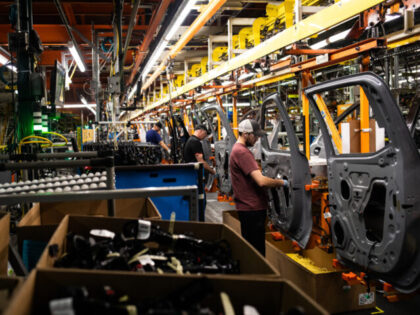
The upturn in activity suggests the economy is more resilient to tariffs and market volatility than many analysts believed.
The latest S&P Global Flash U.S. Manufacturing PMI rose to 50.1 in January, inching above the threshold that separates expansion from contraction. This marks a significant turnaround for an industry battered by months of declining demand and production setbacks.
Manufacturing remains in contraction, although the pace of the decline has eased. Services came closer to the threshold indicating a decline in activity.

S&P Global removed Environment, Social, and Governance (ESG) factors from its scoring of corporate debt as the financial industry has increasingly soured on the controversial investing scheme.

Manufacturing output in the U.S. continued to contract in March, according to a pair of industry surveys released this week.

S&P Global’s flash composite PMI indicates contraction for the fourth straight month.

S&P Global’s PMI indicates a second month of contraction driven by a steep drop in services sector demand.

The economy is on a path to contracting in the third quarter, according to the chief business economist at SP Global Market Intelligence.

The S&P Global Manufacturing PMI comes in lower than expected as inflation drags down optimism and shortages weigh on production.