
An AI-powered medication monitoring system failed to detect months of fentanyl theft by a nurse at Tennessee’s largest hospital in Chattanooga, according to state nursing board records that raise questions about the effectiveness of artificial intelligence systems used in hundreds of American hospitals.
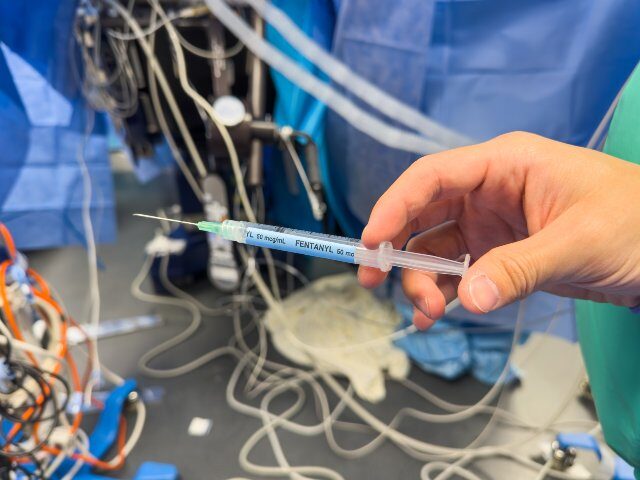
CBS News reports that at Erlanger Baroness hospital in Chattanooga, anesthesia staff noticed about a year ago that a nurse showed signs of impairment on duty in the surgery center, including slurred speech and difficulty staying awake, according to a Tennessee Board of Nursing consent order. The nurse failed a drug test and was terminated. He later admitted to stealing leftover fentanyl from surgical procedures for his own use over a period of months, sometimes daily.
Drug diversion, the unlawful taking of controlled substances from healthcare facilities, is believed to occur at nearly every U.S. hospital. But this case stands out: Erlanger had implemented Sentri7, an AI-powered medication monitoring software designed to detect missing drugs faster than human oversight. For months, the system failed to raise any alarms about the missing drugs and other irregularities that should have triggered alerts, according to the nursing board order.
The case offers a rare look at an apparent failure of AI drug diversion software now used in hundreds of hospitals with minimal transparency or regulatory oversight. Facilities are not required to disclose their use of such software or report malfunctions, leaving no comprehensive record of how widely the programs are deployed or how often they fail.
David Rastall, a Johns Hopkins Medicine neurologist and AI researcher, said the proprietary nature of AI technology, combined with hospital administrators often lacking understanding of how it works, allows errors to be concealed rather than corrected. “The ideal for patients, caregivers, and hospitals systems would be, when an AI is found to be making some type of error, that becomes very transparent and public.”
While the DEA requires hospitals to confidentially report lost or stolen drugs, and hospitals can also report thefts to state health agencies, these reports need not include details about AI software involvement, according to three drug diversion prevention experts. All three said they had never seen an AI failure publicly documented like the Erlanger case.
Jacob Smith, a pharmacist responsible for drug security at Johns Hopkins Medicine, expressed surprise. “I’ve never myself seen these technologies be called out in that specific way,” Smith said. “It doesn’t make sense to me how you could miss it.”
Experts noted the case raises particular concern because theft of leftover drugs is one of the most common diversion methods, and fentanyl, which can be fifty times stronger than heroin, is among the most frequently targeted substances.
Erlanger spokesperson Charlie Milburn indicated earlier this year that the hospital had prepared a written statement about Sentri7 but declined to release it. “Our legal team is debating whether this is something we want to talk about at all,” Milburn said in a March email.
Diversion is a widespread challenge that can leave patients without prescribed medication or expose them to blood-borne diseases. An estimated fifteen percent of healthcare workers divert drugs at least once, according to the nonprofit Healthcare Diversion Network. Diversion has been linked to at least thirteen disease outbreaks causing more than two hundred infections, mostly hepatitis C, since 1985, according to the CDC.
Read more at CBS News here.
Lucas Nolan is a reporter for Breitbart News covering issues of AI, free speech, and online censorship.
COMMENTS
Please let us know if you're having issues with commenting.