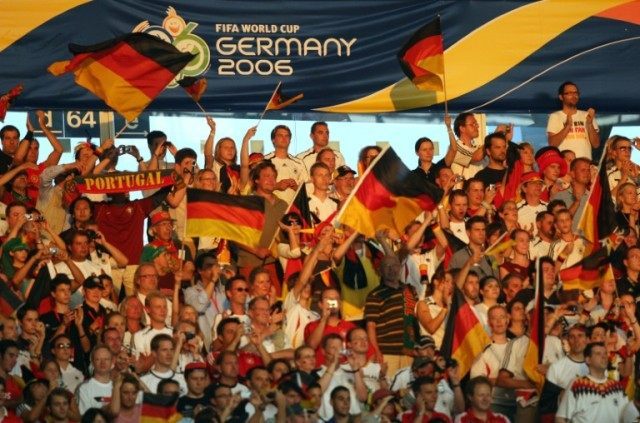

Berlin (AFP) – The German FA’s (DFB) inquiry into the 2006 World Cup scandal is set to cost around 3.5 million euros ($3.83m), interim president Rainer Koch has revealed.
Last October, German magazine Spiegel opened a can of worms by claiming the DFB had used a slush fund of 6.7 million euros in 2000 to buy votes from members of FIFA’s executive committee in order to win the right to host the tournament.
In the wake of the scandal, the DFB tasked business law specialists Freshfields with auditing the bid and on Friday the official report “could not rule out” that bids were bought.
FIFA has welcomed the report, but said “many questions still remain to be answered” as they continue their own investigation.
The DFB has yet to receive the final bill from Freshfields, but Koch expects it to be 3.5 million euros.
“It will be around that figure, but I don’t know exactly because the relevant accounts are not yet available. There is still a large part missing for the Freshfields’ work,” Koch told Sky.
Koch also praised German football legend Franz Beckenbauer for helping the inquiry.
Beckenbauer, 70, captained and coached Germany to the 1974 and 1990 World Cup titles respectively and was head of the organising committee for the 2006 finals.
He has repeatedly denied both that any votes were bought and that he is guilty of any wrongdoing.
“Franz Beckenbauer has helped a lot to bring a little more clarity to the matter in the last few days,” said Koch.
The Freshfields report outlined a money trail linking Beckenbauer, former Adidas chief Robert Louis-Dreyfus and Qatar, whose Mohammed bin Hammam has since been banned from football for life over corruption.
“When we knew that the money had gone into the account of Beckenbauer’s lawyers in Switzerland, within 24 hours we had his cooperation to look into the account,” said Koch.
“His lawyer also helped us alot.
“Now it’s hoped that we will be able to get further insights (into where the money went) in the next few days and weeks.”
Beckenbauer was warned and fined by FIFA’s ethics committee last month for his failure to cooperate with a separate investigation into the award of the 2018 and 2022 World Cups.
COMMENTS
Please let us know if you're having issues with commenting.