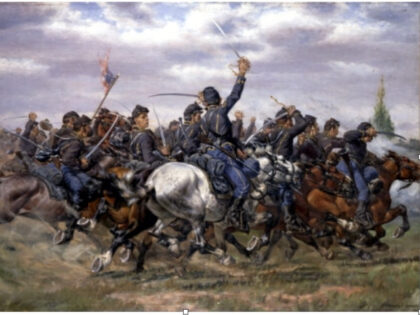
The Great Escape That Saved the Revolution
In August 1776, the fate of Washington’s army—in fact, the fate of the entire Revolution—lay on the muscled shoulders of the fishermen and sailors of the Marblehead Regiment.
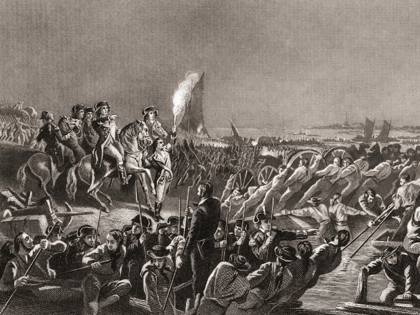
In August 1776, the fate of Washington’s army—in fact, the fate of the entire Revolution—lay on the muscled shoulders of the fishermen and sailors of the Marblehead Regiment.
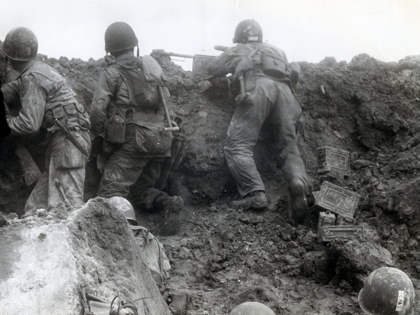
Taking the guns atop Pointe Du Hoc was a suicide mission, but the success of the D-Day invasion depended on it.
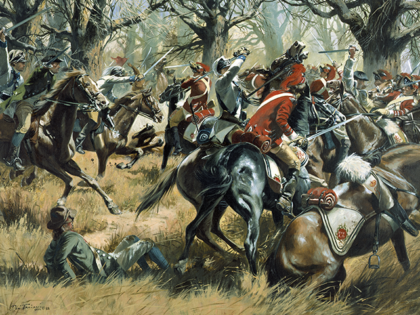
Cowpens was one of the most decisive battles of the Revolutionary War, one that was won through a combination of leadership and adaptability.
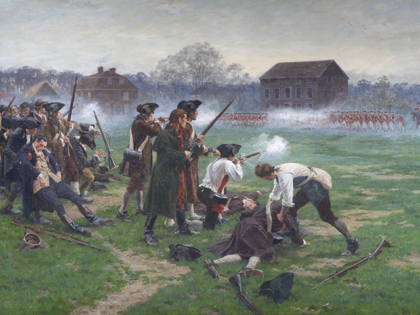
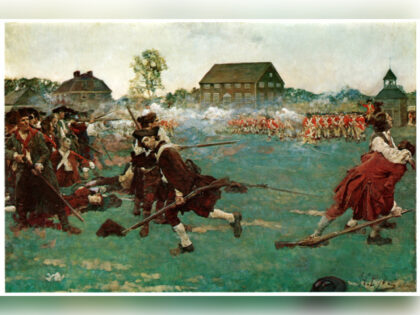
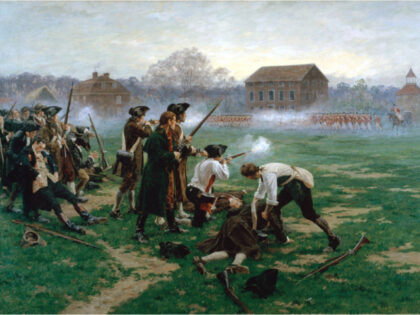
On a fateful day in April 1775, farmers, tradesmen, laborers, and mariners—Americans of all stripes—came together at the Battles of Lexington and Concord to defend themselves against the most professional army in the world.
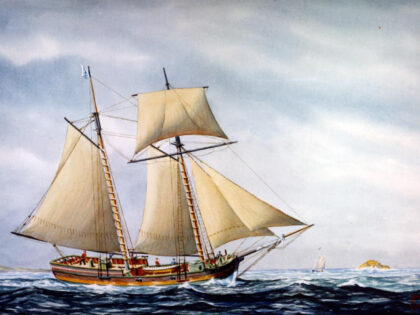
The United States Navy—today recognized as the most powerful navy in the world—had very humble beginnings as a single fishing boat.
A recent leaked CIA report stated the Iranian regime can hold out against the blockade for three or four months. We cannot throw them a lifeline in the form of a deal that leaves them in power. Now is the time to crush them.

For decades, the government of Iran and the Islamic Revolutionary Guard Corps (IRGC) and its militia thugs have been slaughtering tens of thousands of unarmed citizens. What allows a hated regime to murder its own citizens on an industrial scale? The oppressed didn’t have weapons.
More than quick, aggressive military action, strategy would be necessary to defeat the South. Winfield Scott’s “Anaconda Plan” aimed to strangle the South economically through a naval blockade and other means. Similarly, the air war in Iran, which has been brilliantly executed, led some to have high hopes for a swift victory through decapitation.
One hundred and sixty-one years ago, in a forgotten farmer’s field, two elite, pioneering American special operations forces clashed: only one group would fully survive.
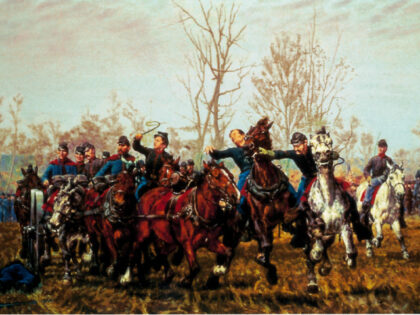
Recent allegations of sedition against members of Congress are not new. During the Civil War, a Democrat member of Congress was convicted of sedition by a military tribunal for urging Union soldiers to disobey “illegal orders” and desert.
![Library of Congress description- _Hon. Clement Laird Vallandigham [_] of Ohio_](https://media.breitbart.com/media/2025/12/Library-of-Congress-description-_Hon.-Clement-Laird-Vallandigham-_-of-Ohio_-420x315.jpeg)
The Confederacy planned arguably the first October Surprise–a bold attack at Cedar Creek to defeat a Union army—a desperate bid to aid the Copperhead Peace Democrats at the ballot box.
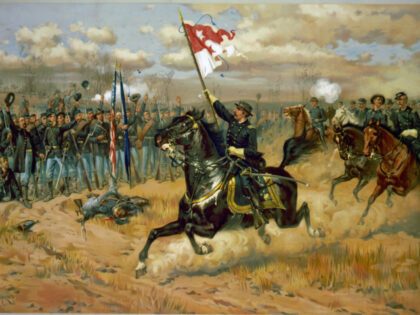
On October 13, 250 years ago, the Continental Congress authorized the establishment of the Continental Navy, marking the birth of what would become the United States Navy. Over a week ago, in Norfolk, with President Trump in attendance, the Navy showcased its impressive, combined arms capabilities. But on this semiquincentennial, the U.S. Navy, the most powerful in the world, had humble beginnings—a single fishing boat.
In the fall of 1864, both Union and Confederate forces in the Shenandoah Valley were caught in a cycle of violence and retribution. The Civil War is marked by nuance, tragedy, and the unexpected sacrifices and triumphs of the human spirit. Two significant events helped bring an end to this bloody stalemate.
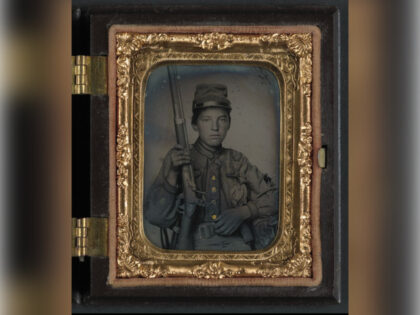
This weekend, Americans will dedicate a day to honor the memory of those who sacrificed their lives in defense of their country: Memorial Day.

This week marks the 250th anniversary of the Battles of Lexington and Concord and the start of the Revolutionary War. Farmers, tradesmen, laborers, and mariners–Americans of all stripes–came together to defend themselves against the most professional army in the world.
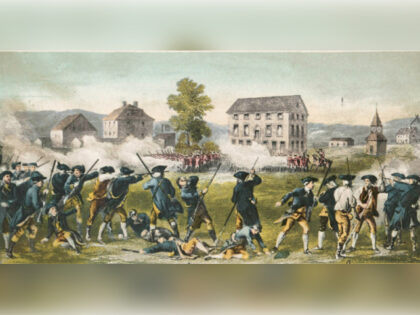
This week marks the 160th anniversary of Robert E. Lee’s surrender of the Army of Northern Virginia at Appomattox. The final significant turning point of the Civil War may not have occurred without the previously unknown contributions of Sheridan’s Union Scouts.
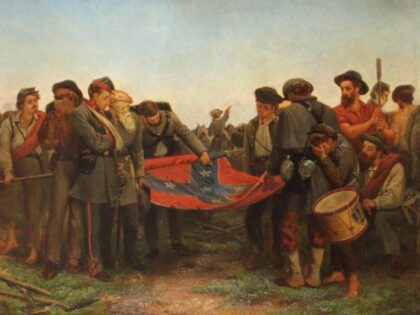
Random events can on occasion change the course of history – such is the case when several Confederate generals were literally out to lunch when their army was attacked during one of the most crucial battles of the Civil War.
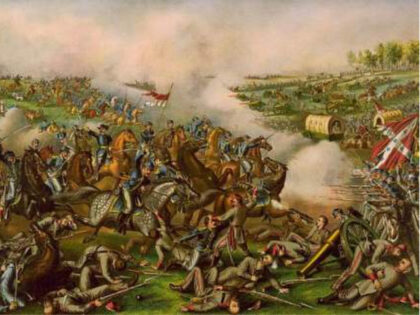
A key component of modern special operations is capturing or killing high-value targets. During the American Civil War, a specialized unit within the Union Army, the Jessie Scouts, was created to do just that.
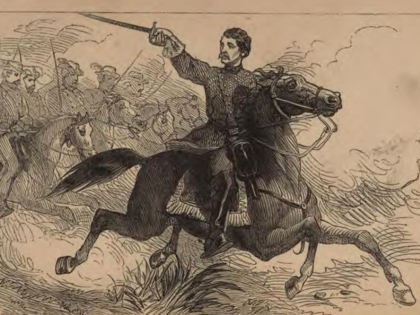
A color revolution is a catchy term for popular movements that employ riots and street protests to overthrow a government. But behind the scenes, these seemingly organic movements often have a hidden hand.
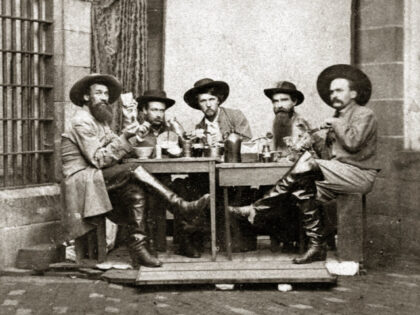
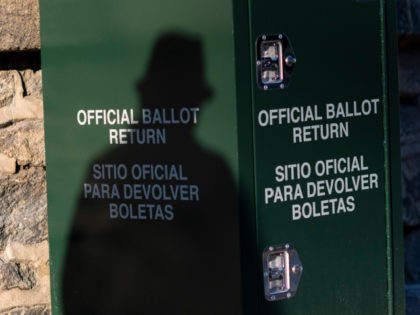
Ballot fraud in the United States is nothing new. Absentee ballots were allowed for the first time in the presidential election of 1864 because of the massive number of Union soldiers in the field.
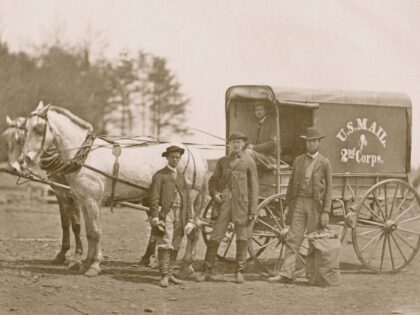
Lincoln’s assassin, John Wilkes Booth, was that he was a lone mad gunman who operated with a small group of conspirators loyal to him. The true story is detailed for the first time in the new bestselling book, The Unvanquished.
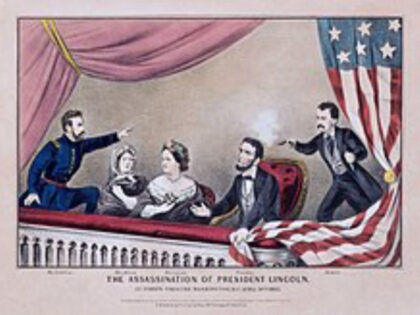
In early September 1864, the war was not going well for the North. Lincoln had staked the Republican Party’s political future on military victory over the Confederacy, yet Confederate General Jubal Early’s army had nearly marched on Washington. Another military failure on the battlefield would be disastrous for Lincoln.
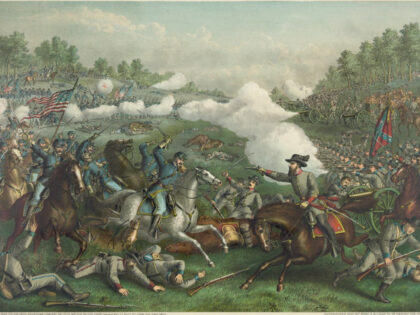
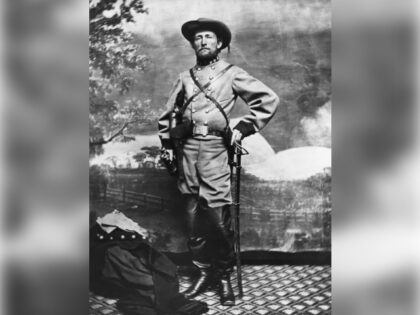
Throughout 1863 and 1864, Confederate guerrilla leader John Singleton Mosby and his intrepid Rangers, “the South’s most dangerous men” terrorized the Northern troops in the area surrounding the Shenandoah Valley, known as “Mosby’s Confederacy.”
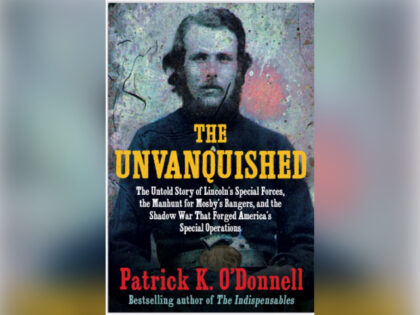
Modern conflicts are increasingly fought less on traditional battlefields and more through irregular warfare like disrupting supply chains, conducting psych ops, and other strategic maneuvers—including timing attacks with an eye toward media coverage and upcoming elections.
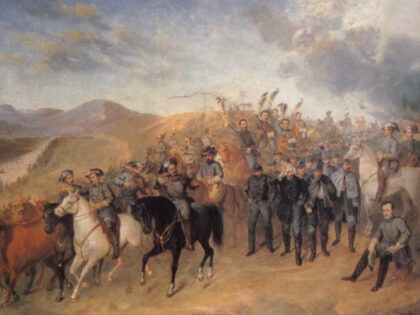
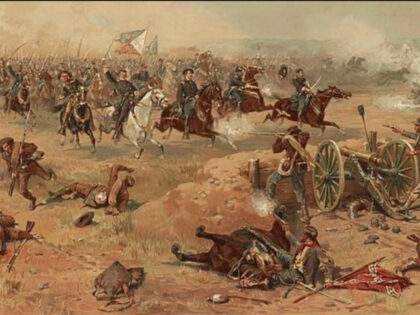
Next week Americans will celebrate the founding of our country, but most probably don’t realize how close one hundred and sixty years ago in July 1864 America came to being permanently torn apart.
A crucial piece of intelligence can turn the tide of an entire battle or even a war. During the Civil War before the Third Battle of Winchester, that intelligence was obtained from two of the most unlikely of sources—a school teacher and a slave.
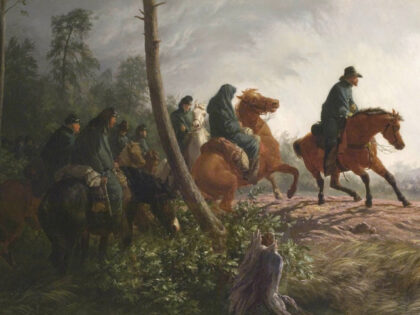
On April 18, 1864, author Herman Melville rode through the twilight, embedded with the 2nd Massachusetts Cavalry, on a scouting mission deep in enemy territory.
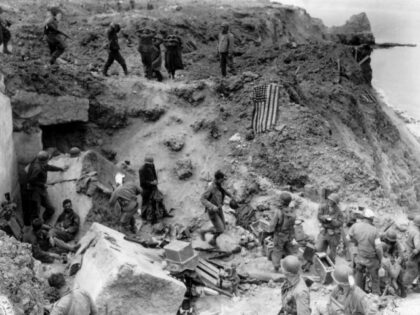
The most difficult mission of D-Day was scaling the 90-foot cliffs of Pointe du Hoc, France to take out the German machine guns targeted on the beach.
Confederate guerrilla leader John Singleton Mosby continually urged his Rangers to “get the bulge” on their opponents by attacking first, using the element of surprise to swiftly and violently make the most of their small numbers to subdue their opponents.
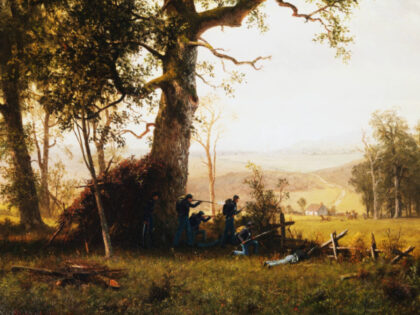
Countless times, the fate of the nascent American nation depended on the right person being in the right place at the right time–like the gallant 26-year-old Marblehead captain James Mugford Jr. who captured the largest single prize of the Revolutionary War, the Hope.
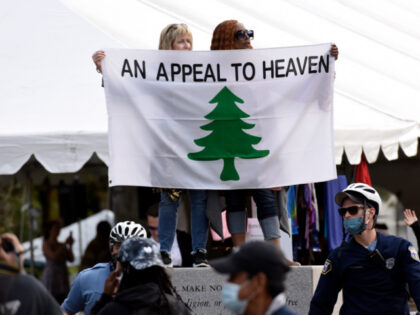
Confederate guerilla leader John Singleton Mosby and his intrepid Rangers are known for their incredibly daring feats, but they weren’t always successful. One chilly night in the winter of 1864, the Union calvary met the Confederates’ surprise raid with a bloody defeat.
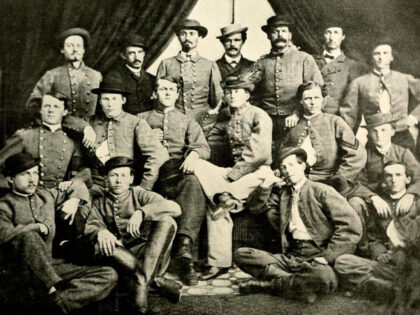
Each of my thirteen books has found me. The spark for my latest bestseller ignited when I stumbled across a roadside sign in Northern Virginia marking John Singleton Mosby’s Grapewood Farm engagement.
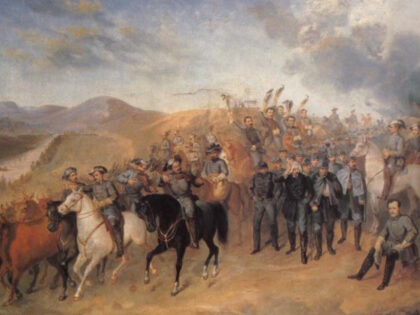
Mosby himself seemed to have a vampire-like ability to rise from the dead, being severely wounded a handful of times, but always staving off death and capture.
Ballot fraud occurred one hundred and sixty years ago in the presidential election of 1864, when absentee ballots were allowed for the first time because of the massive number of Union soldiers in the field and away from their home states.
A lonely roadside sign stands by a winding Virginia country byway marking the site Union Jessie Scout Jack Sterry, also known as Lincoln’s Special Forces, spoke his last words. Through his cunning, he tried to lead the Confederate army down the wrong road, away from where it was crucially needed.
April 19, 1775, marked the beginning of an epic journey for a band of brothers who risked EVERYTHING for a nation yet to be born.
Special operations forces require special men. Union major Henry Harrison Young was such a man—born for war.
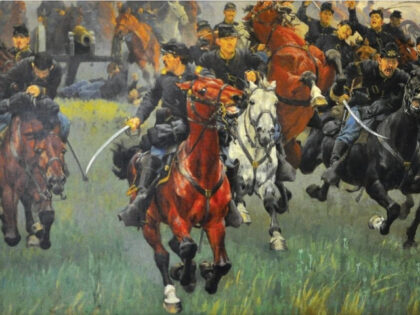
The Union Army had one of their best chances to capture and destroy Mosby’s Rangers, the comparatively small elite unit, at that time, of Confederate guerilla warriors terrorizing Federal troops in Northern Virginia.
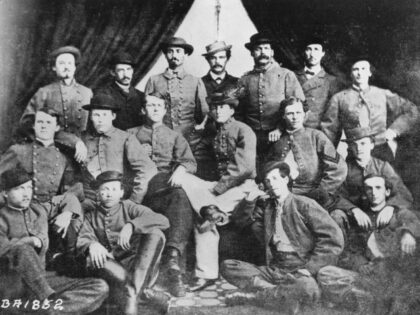
John Singleton Mosby, one of the main characters of this story, 161 years ago this week conducted what is considered the perfect special operation.
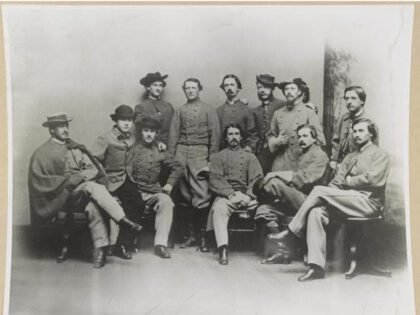
Countless times in American history, commanders have promised to have the boys home by Christmas. In December 1863, in desperate need to relieve Knoxville, Tennessee, from the pressure of the surrounding Confederate troops, the Union high command planned a daring raid.