
This year’s Easter egg hunts may be a bit more fun and a lot less pricey.
After getting shellacked by last year’s surge in egg prices, families heading into Easter this spring are finding that one of the season’s essential items is no longer quite so punishing at the grocery store. The drop has been sharp enough to be felt not just by economists and retailers, but by parents planning brunch, filling baskets, and deciding how many eggs they can afford to dye, hide, and inevitably discover days later under the couch.
The turnaround is striking. In the producer price index for eggs for fresh use, prices in February were down 80.4 percent from a year earlier. That is a dramatic reversal from the run-up that made eggs one of the most talked-about items in the grocery aisle last year.
Consumers are seeing relief too. According to the retail price data, the average price for a dozen Grade A eggs fell to $2.50 in February 2026 from $5.90 in February 2025, a decline of 57.6 percent. Based on the historical series going back to the mid-1980s, that appears to be the largest year-over-year drop on record.
That decline follows a period when egg prices had become a vivid symbol of food inflation and sent families scrambling for alternatives. During the Biden years, prices were climbing so quickly that they were yoked into the national political conversation. News coverage focused on the strain on household budgets, and after Trump took office, his more hard-boiled critics seized on the issue as evidence that his promise to bring egg prices down would be hard to keep.
President Trump did not let the criticism ruffle his feathers. Instead, he hatched a plan with Agriculture Secretary Brooke Rollins to bring down the price of eggs.
“The egg price is out of control, and we’re working hard to get it back down,” Trump said during an address before a joint session of Congress in March of 2025.
In a Wall Street Journal opinion piece, Rollins laid out the administration’s plans.
“The Biden administration did little to address the repeated outbreaks and high egg prices that followed. By contrast, the Trump administration is taking the issue seriously. To that end, today I am announcing a comprehensive strategy to combat avian influenza. The Agriculture Department will invest up to $1 billion to curb this crisis and make eggs affordable again,” Rollins wrote.
Bird flu had battered flocks and tightened availability during the first part of last year. But the Trump administration’s efforts have helped crack the shortage.
Now, with the second Easter of Trump’s second term approaching, the numbers look sunnyside up.
Retail egg prices reached an all-time high of $6.23 per dozen in March 2025. That put a real strain on household budgets and likely poached spending from Easter treats like jelly beans and chocolate bunnies. By February of this year, they had dropped to $2.50. That has changed the tone of the holiday shopping season. A dozen eggs is no longer something shoppers regard with suspicion before placing in the cart. For families with children, it also means Easter traditions that felt a bit extravagant a year ago now look ordinary again.
The result is a small but real restoration of normal life. Easter is, among other things, a holiday of practical abundance: egg hunts in backyards, bowls of dyed shells on kitchen counters, brunch tables crowded with food, children arguing over who found the most. When egg prices boil over, even those simple rituals get pinched. When prices come down, the holiday feels a little more coddled in financial security.
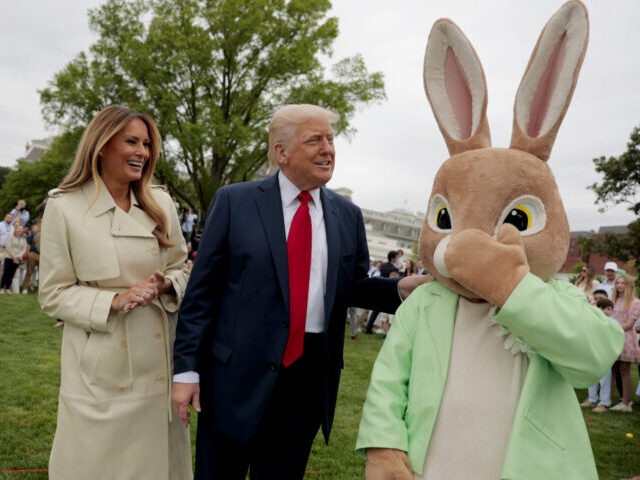
The White House says it plans to use 40,000 eggs in this year’s annual Easter Egg Roll.
So this year’s Easter may indeed be a bit more joyous and a little less taxing on household budgets.
COMMENTS
Please let us know if you're having issues with commenting.