Bidenflation Sends Consumer Sentiment Crashing to Lowest Level in Over a Decade
The steeper than expected decline in consumer sentiment was caused by a drop in assessments of current conditions and an even sharper decline in hope for the future.
The steeper than expected decline in consumer sentiment was caused by a drop in assessments of current conditions and an even sharper decline in hope for the future.
A decline in gasoline prices helped boost expectations.
How much more of this can we possibly take?
Thirty-two percent of consumers expect their overall financial position to worsen in the year ahead, the highest ever recorded in the history of the surveys started in the mid-1940s.
However much you disapprove of the job Biden is doing on inflation, he disapproves of the job you are doing with inflation even more.
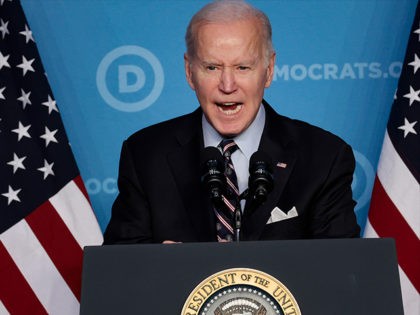
The readings of current conditions and expectations among Democrats are the lowest of Joe Biden’s presidency.
Consumers’ views of their present situation fell sharply, near-term expectations fell by even more, and the expectation for the long-term prospects for the economy are at a decade low.
Twenty-six percent of consumers expect their financial prospects to worsen, the highest level of negative sentiment in four decades.
Consumer sentiment sank in January to the lowest level since 2011.
Nearly half of Americans think inflation will devour all their income gains this year. Less than one-fifth expect real income gains over the next year.
Time is running short to contain inflation without a painful recession.
Consumer sentiment fell in early November to its lowest level in a decade due to rising inflation and the growing belief that the Biden administration has no effective policies to halt rising prices.
One in five people surveyed spontaneously mentioned declining living standards due to inflation.
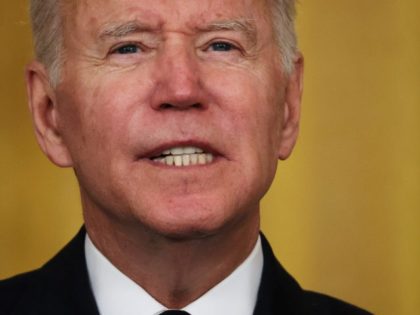
The public’s confidence in Biden’s economic policies has collapsed, the most recent consumer sentiment survey shows.
Inflation is becoming a drag on growth as consumers are balking at high prices on big-ticket items such as homes, vehicles, and durable goods.
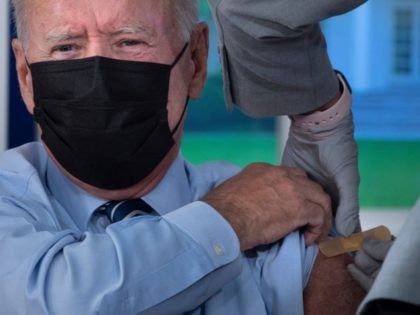
Views of current conditions grew dimmer and inflation expectations worsened.
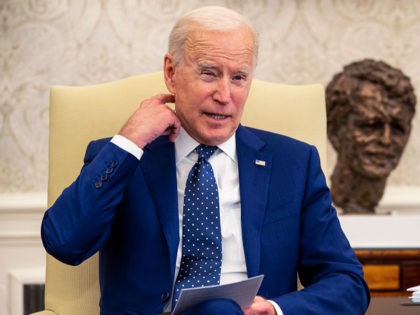
Consumer sentiment collapsed due to the surging Delta variant, higher inflation, slower wage growth, and smaller declines in unemployment.
The confidence of Americans in the economy suffered an unexpected severe collapse in the first weeks of August. The University of Michigan’s Consumer Sentiment index fell to 70.2 from the end of July score of 81.2, the lowest score since
“While most consumers still expect inflation to be transitory, there is growing evidence that an inflation storm is likely to develop on the not too distant horizon,” said Richard Curtin, the chief economist of the University of Michigan’s consumer sentiment survey.

“Rather than job creation, halting and reversing an accelerating inflation rate has now become a top concern,” Richard Curtin, the survey’s chief economist, said.
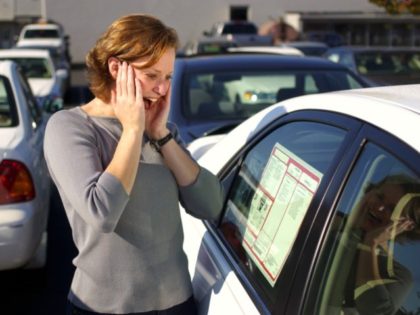
Mentions of higher prices for appliances, cars, and houses are reaching historically extreme levels.
U.S. consumers expect much higher prices over the next year and they expect elevated inflationary pressure to persist for years, data released Friday showed. The University of Michigan’s survey of consumers in May indicated that consumers expect a 4.6 percent
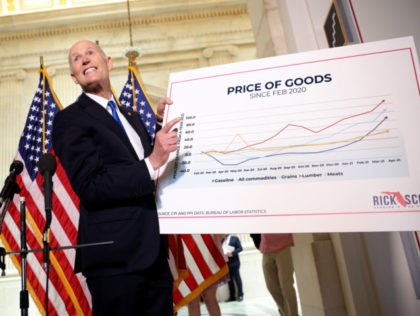
A jump in consumer expectations for higher inflation dragged down consumer sentiment in the first weeks of May.
The University of Michigan’s final sentiment index for April rose to 88.3 from the midmonth reading of 86.5, data released Friday showed. This was up from 84.9 in March.
The index for consumer sentiment dipped to 76.8 from 79 in January.
The University of Michigan’s index of consumer sentiment unexpectedly fell in February, dragged down by a crash in expectations for the economy.

Democrats are feeling very hopeful about the future while Republican expectations have fallen.
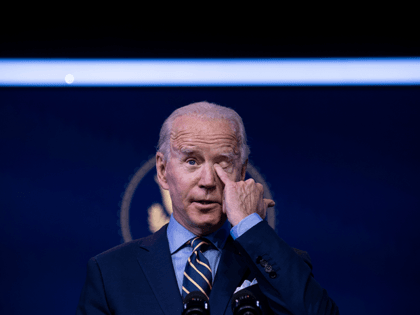
The rise in infections and deaths, and the return of lockdowns, hurt sentiment as the final month of 2020 stretched on
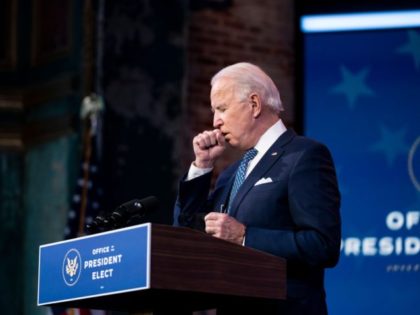
Democrats are feeling much better about the long-term future following the election.
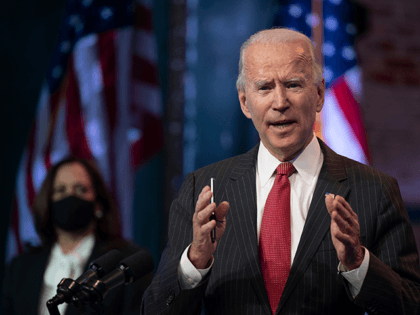
Despite positive news on vaccines and record-highs for stocks, the outlook got darker in November.
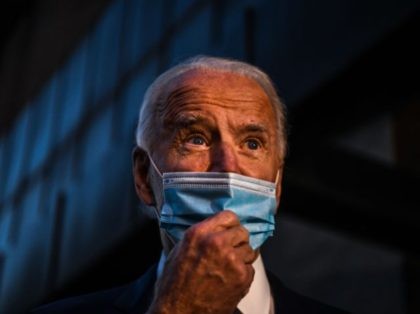
A big decline in expectations about our economic prospects followed the 2020 election and the rise in covid cases.
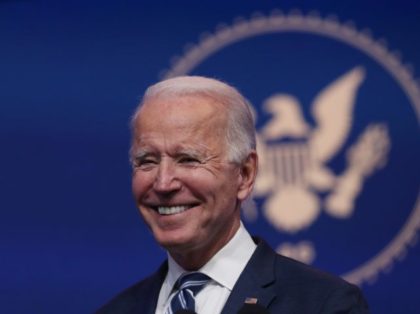
How an American consumer feels about the economy increasingly depends on politics. The University of Michigan’s index of consumer sentiment was virtually unchanged from its midmonth reading and September, hitting 81.8. That is 14.3 percent below the year ago level.
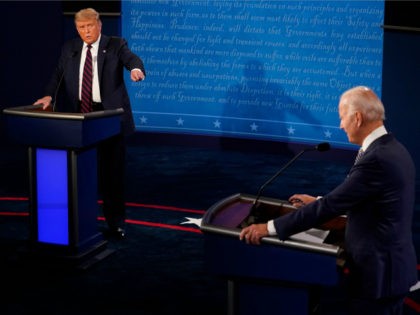
President Donald Trump is behind in every national poll, but he enjoys a small lead among voters not aligned with either party, data from the University of Michigan’s survey of American consumers show.
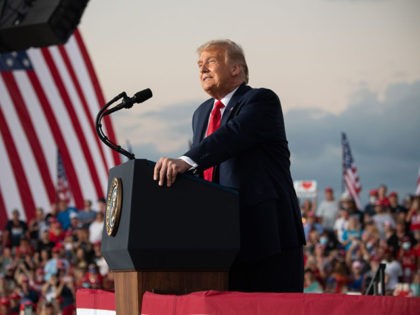
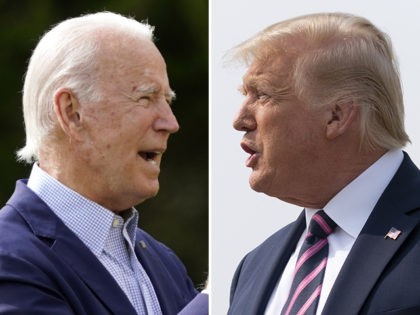
Trump and Biden are nearly tied among independents in the University of Michigan’s survey of consumers.
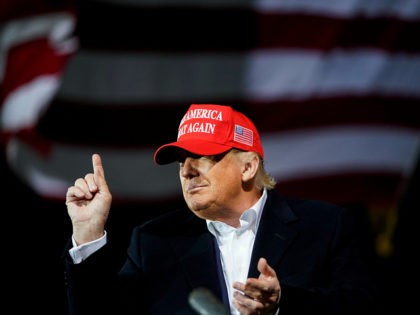
Optimism soared higher in September.
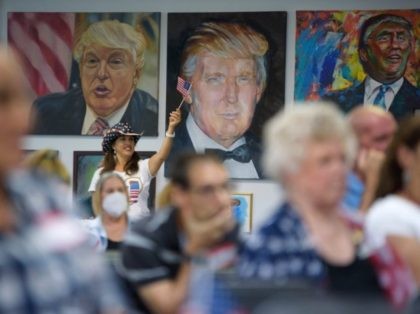
Trump has the lead on the economy and household finances
Consumer sentiment improved a bit in August but Americans remain very pessimistic about the economy’s future.

Consumer sentiment continued to slide downward in late July, with both the current conditions and expectations gauges declining.

Consumer sentiment lost ground in the early weeks of July.
Consumer sentiment improved from May but slipped from the mid-month reading. Confidence in the Trump administration’s economics policy has plunged to record low.