Durable Goods Orders Flat in January as Core Business Spending Measure Stalls
New orders for long-lasting U.S. manufactured goods were unchanged in January, a sign that factory demand remained sluggish at the start of the first quarter.
New orders for long-lasting U.S. manufactured goods were unchanged in January, a sign that factory demand remained sluggish at the start of the first quarter.
Orders rose 5.3 percent in November, the Commerce Department said Monday in a reported delayed by last year’s government shutdown. This was far in excess of the three percent increase expected.
Demand for key capital goods made in America soared in September, with orders and shipments soaring, an indication that the pace of economic growth picked up in the third quarter. Orders for non-defense capital goods orders excluding aircraft, considered a
Orders for long-lasting factory goods made in the U.S. rose sharply in August, lifted by a surge in aircraft bookings but also showing gains in business equipment that point to resilient investment.

New orders for durable goods rose sharply in May, propelled by a surge in aircraft contracts and a broader rebound in business investment. Orders for long-lasting manufactured goods increased 16.4 percent from the prior month to a seasonally adjusted $343.6
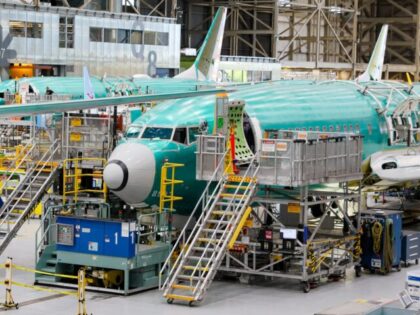
New orders for durable goods rose 9.2 percent to a seasonally adjusted $315.7 billion, after a 0.9 percent increase in February. Economists had forecast a more modest 1.4 percent rise.
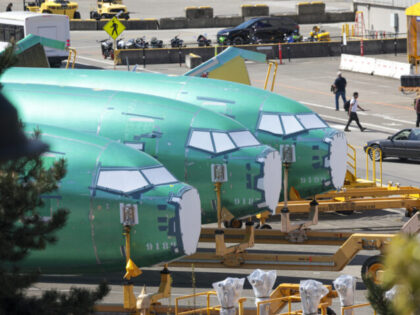
Orders for durable goods rose far above expectations in February, climbing 0.9 percent to $289.3 billion, according to the Commerce Department’s report released Wednesday. Economists had forecast a 1.0 percent decline, but instead, businesses continued to invest heavily in big-ticket
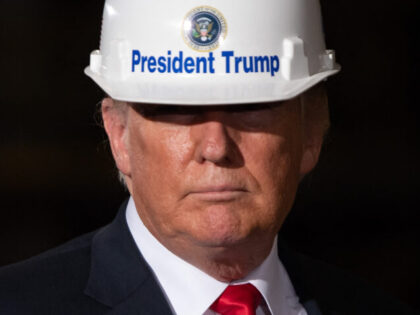
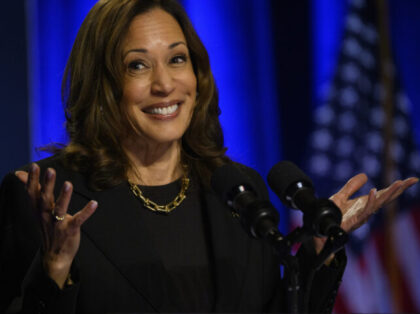
The growth of orders placed with American factories for durable goods stagnated in August, casting a shadow on claims by Vice President Kamala Harris that the Biden-Harris administration’s policies have bolstered U.S. industrial strength. The value of durable goods orders
Unexpected weakness in a key economic bellwether.
Durable goods orders came in much lower than expected.
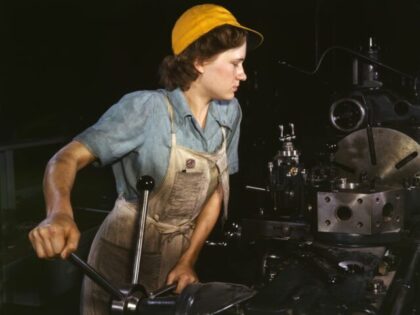
Defense spending has surged as the U.S. tasks the makers of war machines to replenish U.S. military stockpiles depleted by support for Ukraine.

Durable goods orders soared thanks to purchases of civilian aircraft. But core capital goods orders were much weaker than expected.

Core capital goods, a category that excludes aircraft and defense goods, saw the second consecutive monthly rise. The January figure, however, was revised down from the very strong gain of 0.8 percent to the still healthy 0.3 percent.
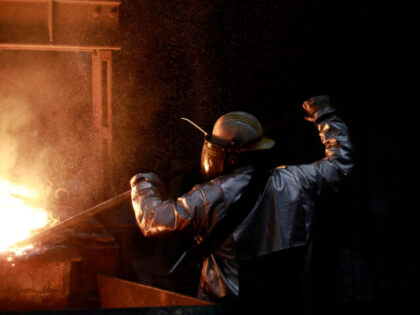
A surprisingly strong month for business investment.
Hotter than expected durable goods orders and shipments could mean even higher rates next year.
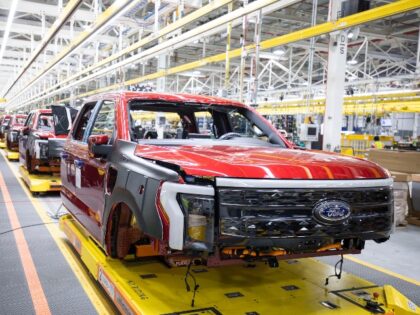
Remember that signs of economic strength now likely mean more Fed hikes and a deeper recession later.
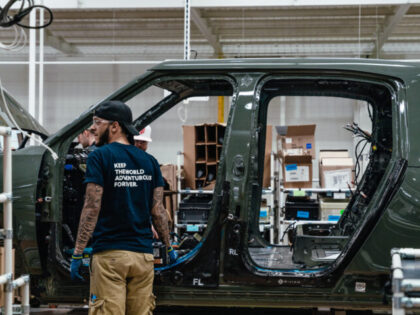
Business investment likely fell in real terms in July.
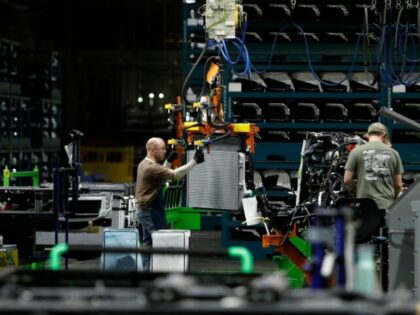
Outside of military spending, new orders rose by less than inflation, indicating a real contraction.

The latest signal of looming stagflation.
No matter which index we use to adjust for inflation, it is clear that durable goods orders actually declined in real terms in April.
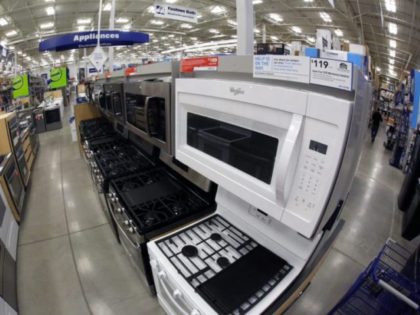
The steeper than expected decline in consumer sentiment was caused by a drop in assessments of current conditions and an even sharper decline in hope for the future.

This was the first decline in capital goods spending in a year, raising fears that the economy might be slowing more than expected.

We haven’t seen prices rise this fast since 1975.
Business investment came to a standstill in the final month of 2021.
A record-high increase in the prices of longer-lasting goods marks inflation as the hallmark of Joe Biden’s presidency.

Durable goods orders rose by more than expected but more than all of the growth can be chalked up to rising prices.
Although core capital goods orders expanded in September, much of that reflects inflation rather than real growth.
Orders for durable goods rose by less than prices of durable goods in August, suggesting there may have been an output contraction as supply-chain disruptions still stymie growth.
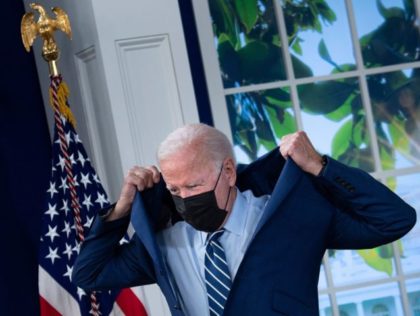
Spending on electronics and appliances fell in July while business investment increased.

Inflation may be creating an illusion of growth right now.

Orders and shipments of computers and autos fell in June as shortages batter economy.
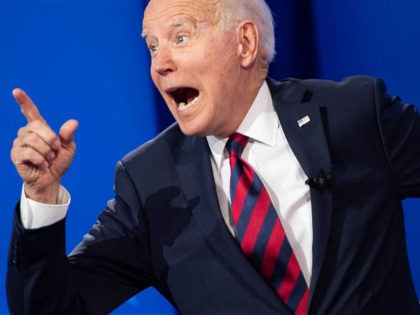
If we agree to call it “transitory,” will the pain stop?
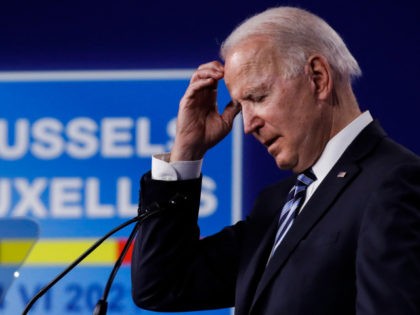
Overall durable good orders slipped because of lower car and truck bookings but business investment was strong enough to raise inflation alarms.
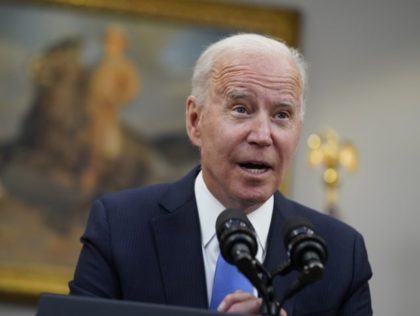
U.S. factory orders rose by a sizzling 2.6 percent in January to $509.4 billion, data released by the Commerce Department Thursday showed.

Orders for durable goods rose 3.4 percent in January compared with December. The prior month was also revised up to show a 1.2 percent gain from November.
Orders for consumer goods were particularly strong as 2020 came to a close.

And the post-election decline was even more severe than expected.
Spending on goods is up by 15.5 percent compared with pre-pandemic levels.

A powerful resurgence for durable goods orders in September.

Orders for longer-lasting goods are back above 95 percent of their pre-pandemic level.