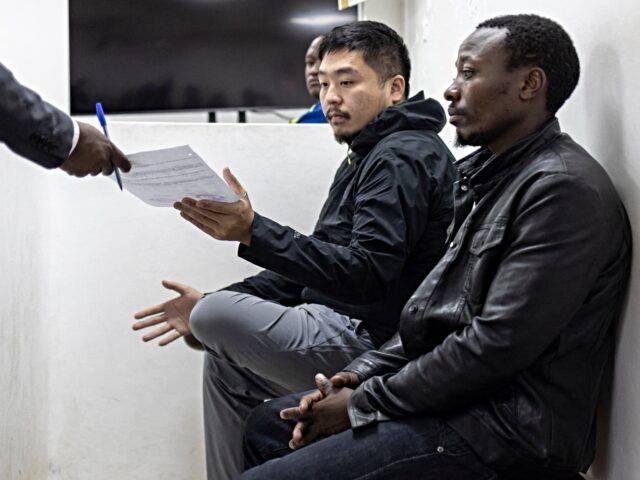

A court in Nairobi on Wednesday sentenced a Chinese national named Zhang Kequn to a year in prison, plus a fine of one million shillings ($7,737), for trying to smuggle live ants out of Kenya.
Zhang was busted at the Jomo Kenyatta International Airport in Nairobi last month with over 2,200 live garden ants concealed in his luggage. About 300 of them were concealed in rolls of tissue paper, while the other 1,948 ants were packed into small tubes.
Zhang managed to slip away from airport police with a fake passport, but was recaptured soon afterward. He was charged with trafficking wildlife without a permit. The Kenyan man who provided him with the ants, Charles Mwangi, was also brought into court on a conspiracy charge.
Irene Gichobi, the magistrate who sentenced Zhang, said a harsh sentence was necessary to dissuade others from ant trafficking, which is a growing problem in Kenya.
Chinese, European, and American buyers are willing to pay a great deal of money for colonies of exotic ants, which they keep in transparent display cases called formicariums.
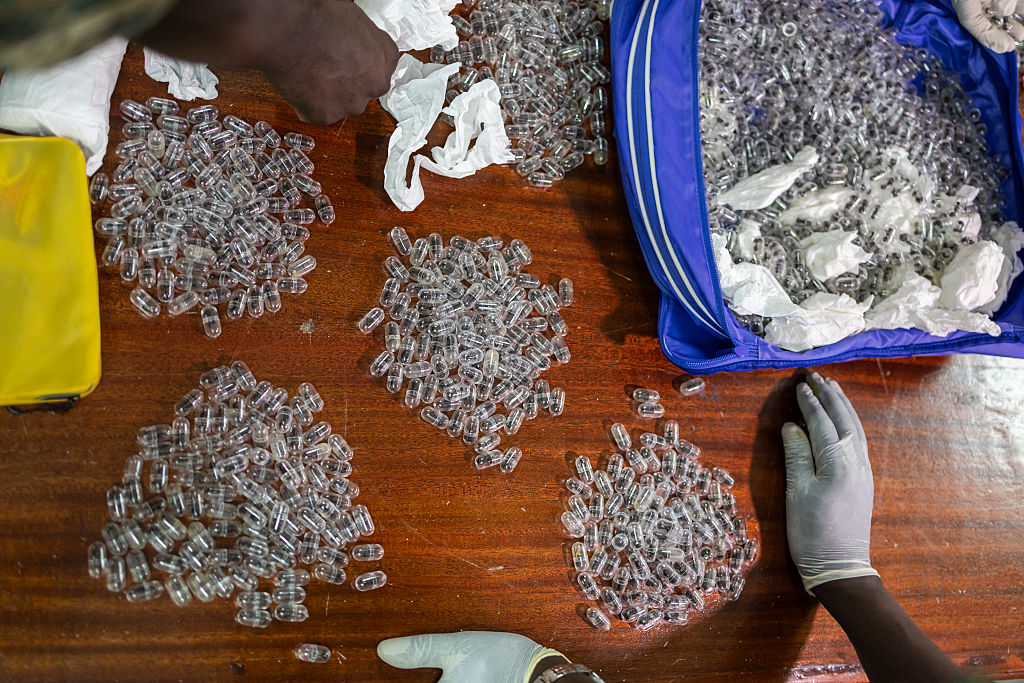
A Kenya Wildlife Services (KWS) warden displays some of the syringe cartridges modified to carry live ants at the Jomo Kenyatta International Airport law courts in Nairobi on March 17, 2026. Chinese national, Zhan Kequn, and his co-accused Kenyan, Charles Mwangi (both not in picture), faced charges of dealing in wildlife species contrary to laws regulating wildlife conservation. (Tony KARUMBA / AFP via Getty Images)
“These insects build very interesting colonies. Some people find that process very fascinating, exciting, and entertaining. They derive joy from it,” explained World Animal Protection wildlife campaign manager Edit Kabesiime.
The species Zhang was transporting, Messor cephalotes, is considered especially valuable. The ants in Zhang’s possession would have been worth thousands of dollars on the exotic pet market.
“Noting the increasing and rising cases of dealing in large quantities of garden ants and the negative ecological side effects of massive harvesting, there is a need for a stiff deterrent,” Gichobi said at the sentencing hearing.
Gichobi also displayed some irritation with Zhang, who she described as unapologetic and “not an entirely honest person.” His lawyers initially claimed he and Mwangi did not realize they were breaking any laws, but Zhang later changed his plea to guilty.
Mwangi has been charged with selling ants to three other buyers. He is still pleading not guilty to the offenses, and his case is ongoing.
Kenyan wildlife experts have complained that the exotic ant trade “undermines Kenya’s sovereign rights over its biodiversity,” and also “deprives local communities and research institutions of potential ecological and economic benefits.”
Wildlife experts are particularly troubled by the traffickers’ preference for capturing and smuggling queen ants, whose absence endangers the survival of vast ant colonies that are integral to the ecosystem of the Kenyan savannah.
COMMENTS
Please let us know if you're having issues with commenting.