
Harsh winter weather put a chill on retail spending in January, as shoppers bought fewer cars and cut back on some store and restaurant purchases even as online sales and a key measure of core retail demand held up.
Retail and food services sales fell 0.2 percent in January from the prior month to a seasonally adjusted $733.5 billion, the Commerce Department said Friday. December sales were unrevised at essentially flat. From a year earlier, retail sales were up 3.2 percent.
Economists had expected an even deeper contraction of 0.4 percent.
The headline decline appeared to overstate the weakness in household demand. Sales excluding autos were unchanged on the month, and sales excluding both autos and gasoline stations rose 0.3 percent. The so-called control group, which feeds into the government’s calculation of consumer spending in gross domestic product, also rose 0.3 percent.
The biggest drag came from motor vehicle and parts dealers, where sales fell 0.9 percent. Gasoline station sales dropped 2.9 percent, likely reflecting lower prices as well as weaker volumes. Health and personal care stores posted a 3.0 percent decline, and department store sales fell 6.0 percent.
Some categories pointed to continued resilience. Nonstore retailers, a category that largely captures online shopping, rose 1.9 percent in January and were up 10.9 percent from a year earlier. Miscellaneous store retailers gained 2.0 percent. General merchandise stores also edged higher.
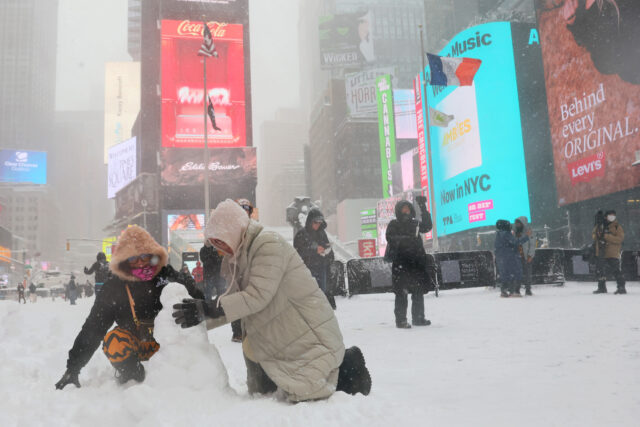
Restaurant and bar sales slipped 0.2 percent, suggesting weather may have discouraged discretionary outings late in the month. Much of the central and eastern United States was hit by severe winter storms and an Arctic blast in January, disrupting travel and keeping many consumers at home.
The report added to a mixed picture of the consumer at the start of 2026. Spending has cooled from the brisk pace of recent years, but the underlying data in Friday’s report suggested households had not pulled back across the board.
Even so, the retail figures landed on the same day as a weak February employment report showing the economy lost 92,000 jobs and the unemployment rate rose to 4.4 percent. That combination is likely to intensify scrutiny of whether consumers can keep spending at a pace strong enough to support growth.
Retail sales are not adjusted for inflation, so the figures reflect changes in dollars spent rather than the volume of goods purchased.
COMMENTS
Please let us know if you're having issues with commenting.