Oct. 29 (UPI) — The longer the federal government shutdown lasts, the more it will cost the U.S. economy, which the Congressional Budget Office estimates at up to $14 billion.
The current CBO estimate released on Wednesday says the four-week shutdown will cost $7 billion in lost economic activity if the shutdown were to end this week.
If the shutdown extends to 11 weeks, the CBO’s estimated cost rises to $11 billion and tops out at $14 billion if the shutdown lasts for eight weeks, CNBC reported.
The estimated cost would rise further if the shutdown were to continue beyond the end of November.
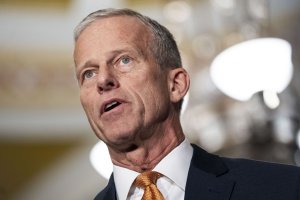
Senate Majority Leader John Thune, R-S.D., has said it appears Senate Democrats are more open to ending the shutdown.
The Senate has failed 13 times to approve a continuing resolution to fund the federal government through Nov. 21 while negotiating a bipartisan 2026 fiscal year budget.
A Senate vote on enacting a clean continuing resolution on Tuesday failed by a vote of 54-45, with one GOP senator not participating in that vote.
If the federal government is not funded by Nov. 1, families dependent upon the federal Supplemental Nutrition Assistance program will lose access to their food stamps.
The Trump administration also is seeking ways to pay military personnel, and several airlines have begun feeding air traffic controllers and other essential staff who lack paychecks while the shutdown continues.
Once the federal government is funded and reopened, federal workers will receive back pay.
Republicans have a slim majority in the Senate with 53 seats to 47 for Democrats, including two independents who caucus with Senate Democrats.
Senate rules require 60 votes to pass spending bills, and Senate Republicans need five more Senate Democrats to join with three other caucus members to pass the continuing resolution and reopen the federal government.
Senate Republicans overwhelmingly have voted to fund the federal government, while Senate Democrats overwhelmingly have voted against a House-approved continuing resolution.
Sens. John Fetterman of Pennsylvania and Catherine Cortez Masto of Nevada are the only two Senate Democrats to consistently have voted to fund the government, along with independent Sen. Angus King of Maine, who caucuses with Senate Democrats.
Sen. Rand Paul, R-Ky., is the lone GOP member to consistently vote against the continuing resolution.
Senate rules require 60 votes to pass the continuing resolution, which would extend the 2025 fiscal year budget long enough to finish negotiating a bipartisan 2026 fiscal year budget.
The 2026 fiscal year began on Oct. 1, but the lack of an interim funding bill has closed the federal government for the past four weeks with no end in sight amid the Senate impasse.
Senate Democrats are demanding an extension of tax credits for the Affordable Care Act, which initially were enacted as a temporary measure during the COVID-19 pandemic lockdowns and expire at the end of the year.
Senate Democrats also want to expand access to Medicaid that GOP lawmakers say would enable states to provide taxpayer-funded healthcare for those who are not legal residents, which Democrats deny.
The estimated cost for ACA tax credits and increased access to Medicaid would cost an estimated $1.5 trillion over the next 10 years, which GOP lawmakers say is excessive, especially for a temporary funding measure.
Senate Republicans have said such matters should be negotiated in the final budget bill and not a continuing resolution.
At 29 days and counting the current shutdown is the second-longest in U.S. history and only is exceeded by a 35-day shutdown that lasted from Dec. 22, 2018, to Jan. 25, 2019, as Senate Democrats opposed President Donald Trump’s request to fund border wall construction.
COMMENTS
Please let us know if you're having issues with commenting.