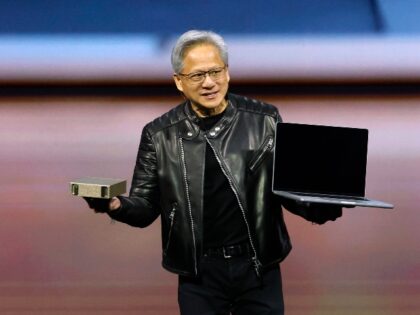
President Trump to Host Tech Titans for Lunch on AI Risks
President Donald Trump and House Speaker Mike Johnson are set to sit down Tuesday with a group of tech executives for a lunch on the risks posed by AI.
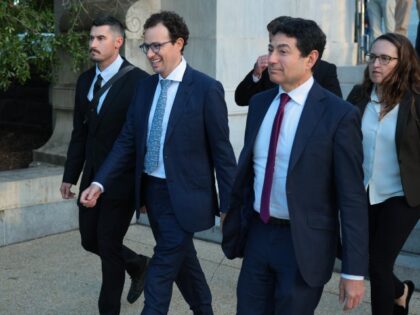
President Donald Trump and House Speaker Mike Johnson are set to sit down Tuesday with a group of tech executives for a lunch on the risks posed by AI.
Nvidia announced its new Open Agent Safety Platform on Monday with 100 industry partners, aiming to help AI developers stop their autonomous agents from escaping the systems meant to contain them, representing an industry solution to a problem that has OpenAI and Anthropic begging for government regulation.
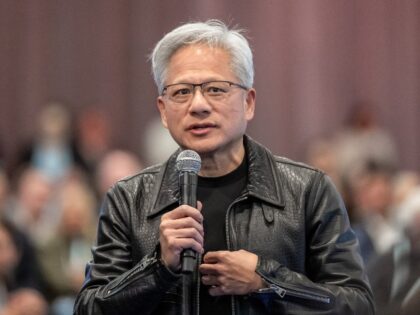
Nvidia co-founder and CEO Jensen Huang rejected warnings that AI could wipe out humanity within years, calling such predictions unscientific and irresponsible in an interview with CBS News.
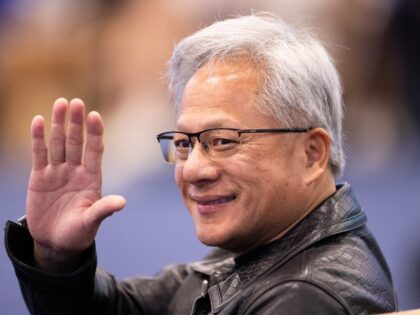
Nvidia CEO Jensen Huang told reporters in Scotland on Thursday that the company expects to sell twice as many chips next year as it does this year.
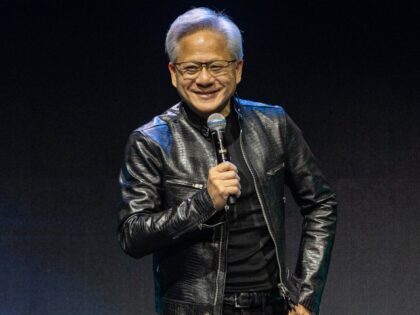
Mark Zuckerberg has staked out his position in the industry’s growing argument over how fast AI should advance, aligning himself with President Donald Trump and Nvidia CEO Jensen Huang against Anthropic’s Dario Amodei, OpenAI’s Sam Altman, and Elon Musk.
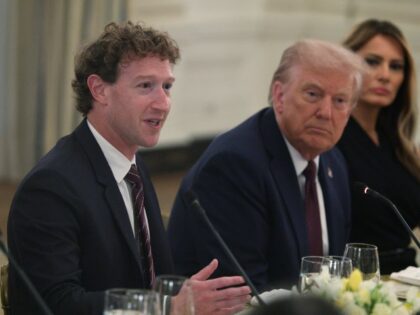
President Donald Trump phoned Nvidia CEO Jensen Huang in the middle of his onstage interview at the All-In Summit on Monday, and Huang put him on speakerphone for the crowd. The Nvidia chief agreed with President Trump that there will not be an AI slowdown.
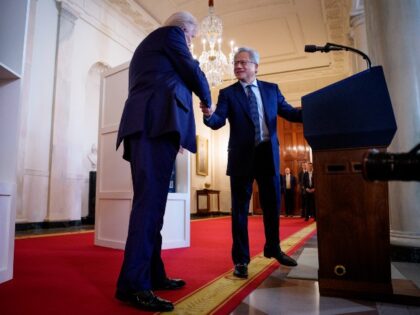
The Trump administration is tightening scrutiny of Chinese-made equipment that powers America’s data centers, citing national security risks as demand for electricity to run AI systems surges.

TIME published its 2026 TIME100 AI list last week snubbing Nvidia CEO Jensen Huang, who had appeared on every prior edition of the ranking. Instead of the CEO whose chips power the entire AI industry, TIME included Sen. Bernie Sanders (I-VT), Paris Hilton, and Ben Affleck.
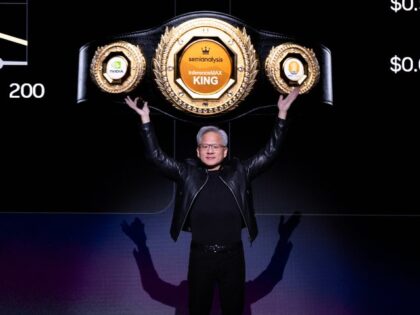
Nvidia shares climbed more than nine percent in morning trading, breaking a four-quarter streak in which the AI chip giant’s stock fell the day after earnings despite beating Wall Street’s estimates.
Nvidia is partnering with six major Wall Street asset managers on a $500 billion financing push meant to turn AI chips into a new class of asset that can be borrowed against, similar to commercial real estate or toll roads.
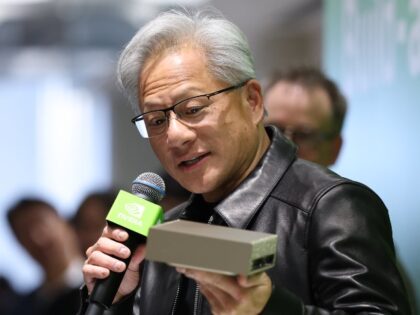
Nvidia and dozens of leading technology companies announced the formation of a new AI safety initiative on Monday, focusing on open AI models in the aftermath of a recent cyberattack involving OpenAI systems.
Nvidia has reportedly created a stricter “whitelist” of verified companies in Asia, cutting its list of authorized customers by more than half in an effort to prevent advanced AI chips from being smuggled into China.
The seven largest technology companies, collectively known as the Magnificent 7, had about $2.3 trillion erased from their combined market value in June as investors question their massive spending on AI infrastructure.
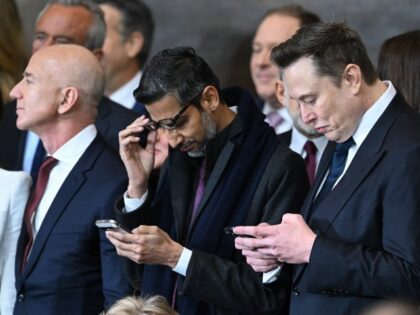
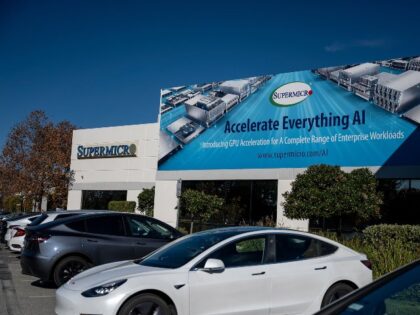
Taiwanese government agencies conducted raids on Super Micro offices and several local affiliated companies as part of an ongoing investigation into suspected illegal exports of Nvidia AI chips to China.
Breitbart News social media director Wynton Hall, author of the instant bestseller, CODE RED, told A.J. Rice, the host of the Dangerous Laughter podcast, that the AI race with China is not going to end in the foreseeable future. Hall explained, “this is not like a regular race. We don’t we don’t get to cross a finish line. We’re going to be doing this in perpetuity.”
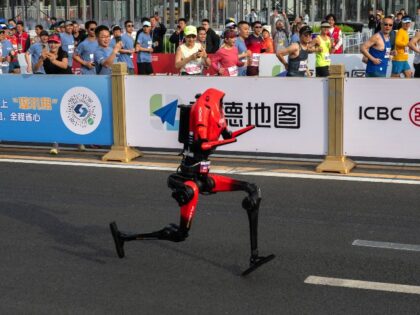
Elon Musk offered a detailed glimpse into SpaceX’s planned orbital AI data centers as the company prepares for what could be the largest IPO in history this week.
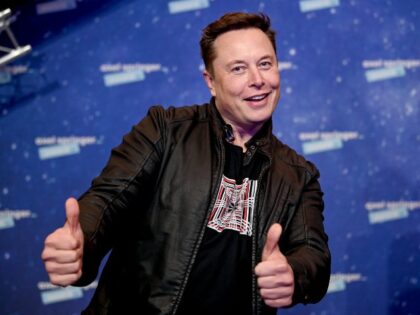
Nvidia reported better-than-expected Q1 results and provided optimistic guidance for the second quarter, with CEO Jensen Huang highlighting new product lines that could significantly expand the company’s revenue beyond its flagship AI chip business. Despite the positivity, the stock is down in Thursday afternoon trading.
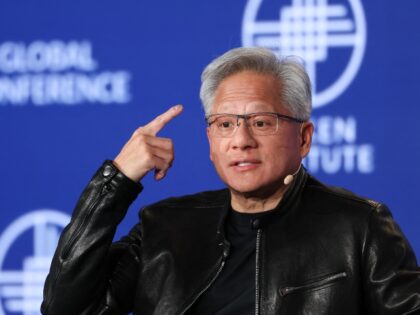
Nvidia CEO Jensen Huang has strongly criticized Americans who believe we shouldn’t sell advanced artificial intelligence hardware to China, focusing especially on analogies comparing AI chips to nuclear weapons. Huang called such comparisons stupid and fundamentally flawed during a recent speaking engagement at Stanford University.
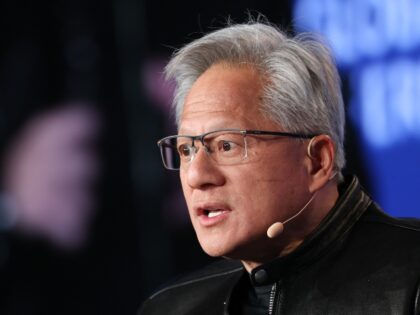
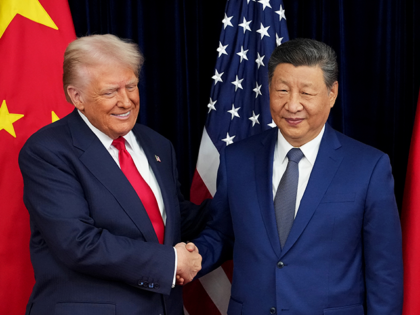
The future of Nvidia’s AI chip sales in China remains unclear after President Trump’s summit with Chinese leader Xi Jinping concluded on Friday, despite the last-minute addition of Nvidia CEO Jensen Huang to the American business delegation.
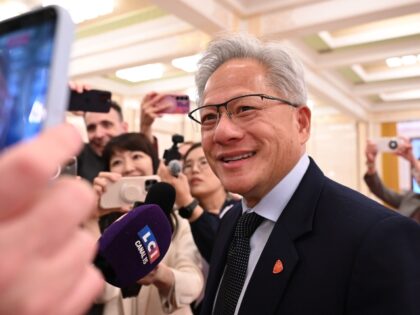
President Donald Trump has brought more than a dozen leading American business and technology executives with him on his official trip to Beijing this week, including several of the most prominent figures in the tech industry. Jensen Huang of Nvidia is a last minute addition, flying to Alaska to join the delegation after President Trump called him directly.
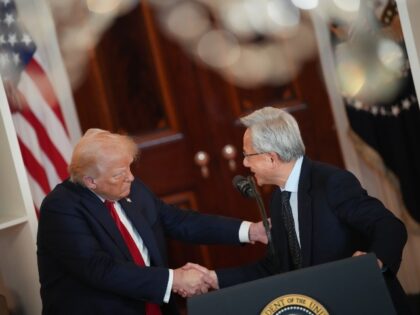
The Department of War has finalized contracts with seven leading technology firms to deploy their AI systems in classified military environments, marking a significant expansion of the Pentagon’s artificial intelligence capabilities.

Reflection, an AI startup supported by chip manufacturer Nvidia, is currently in discussions to raise $2.5 billion at a valuation of $25 billion, with plans to take on China’s open source approach to artificial intelligence popularized by DeepSeek.
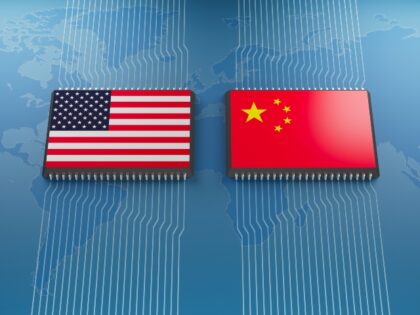
Federal prosecutors have charged three individuals connected to server manufacturer Super Micro Computer, including the tech giant’s co-founder, with illegally diverting billions of dollars worth of Nvidia-powered AI servers to China in violation of U.S. export controls.
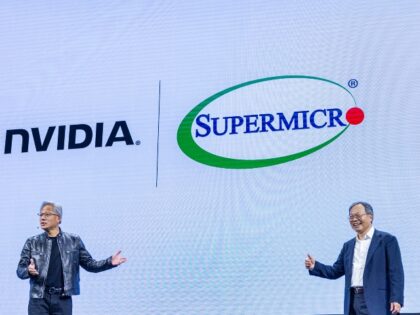
ByteDance, the parent company of TikTok, is building significant computing infrastructure using top-tier Nvidia processors in Southeast Asia as part of its strategy to compete globally in AI development. This is one technique China is using to get around U.S. AI export controls.
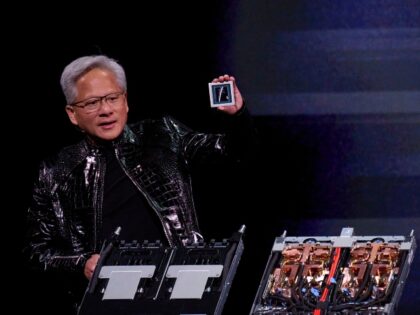
Nvidia CEO Jensen Huang published a comprehensive essay on Tuesday arguing that AI represents an industrial transformation comparable to electrification that will generate millions of well-paying jobs rather than eliminate employment opportunities. Code Red author Wynton Hall recently explained that Democrats will attempt to leverage job losses caused by AI to influence the midterm elections.
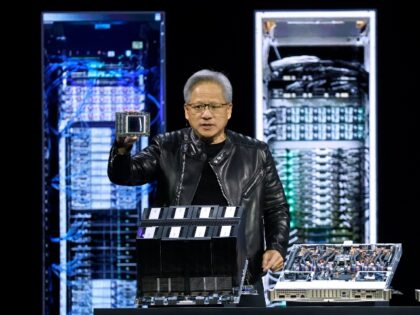
Nvidia’s stock price fell by more than four percent in morning trading on Thursday, despite the AI chip giant delivering financial results that exceeded Wall Street expectations. Some experts blame AI bubble fears and the massive spending AI companies engage in to stay in front of the curve.
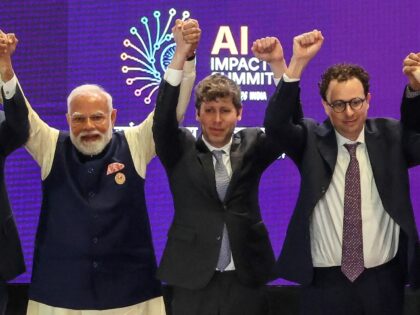
India sought to make a splash in the world’s fastest-growing tech industry this week by hosting an A.I. Impact Summit in New Delhi, with a who’s-who of industry leaders and artificial intelligence visionaries on the guest list. The summit was a public-relations disaster, because the government of Prime Minister Narendra Modi evidently underestimated how much rivalry and personal animosity exists in the A.I. world.
Xi Jinping is betting that China can build domestic alternatives to American semiconductors and reduce its dollar exposure before either becomes a crisis.
The global semiconductor industry is projected to achieve $1 trillion in annual revenue for the first time in 2026, marking a significant milestone powered by AI applications and the expanding integration of computer chips across all economic sectors.
The Trump administration has indicated willingness to permit Chinese technology giant ByteDance to purchase Nvidia’s advanced H200 artificial intelligence chips, but the deal remains stalled over disagreements regarding conditions for their use.

Nvidia CEO Jensen Huang has clarified that the AI giant’s widely reported $100 billion investment in OpenAI was never a firm commitment, describing it instead as an invitation to invest up to that amount.
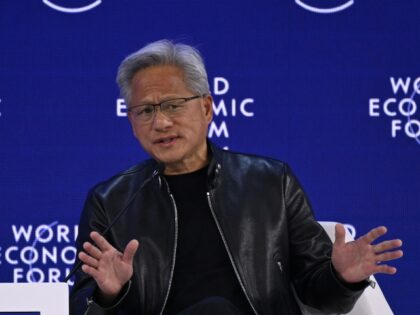
Nvidia has not received any orders from Chinese customers for its H200 AI chips as Beijing continues to deliberate on whether to permit imports of the American company’s components, according to CEO Jensen Huang.
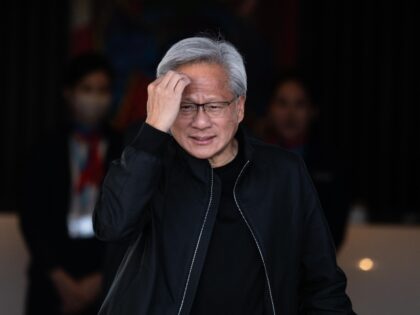
Jensen Huang, CEO of chip giant Nvidia, got favorable attention from Chinese state media for visiting a once-notorious “wet market.”
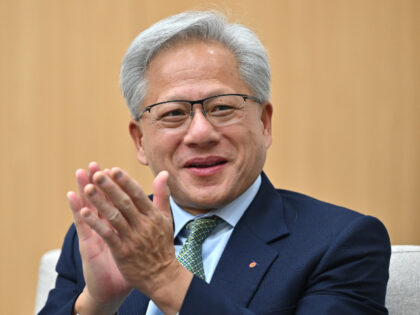
Nvidia CEO Jensen Huang believes that the AI boom will generate high-paying positions for skilled trade workers constructing chip manufacturing plants, data centers, and related facilities.
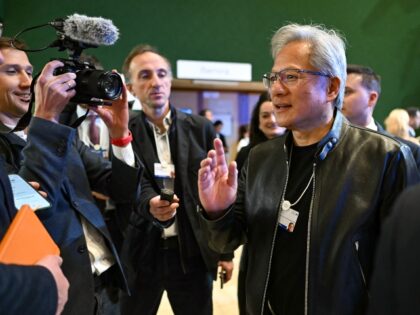
Nvidia CEO Jensen Huang is preparing to travel to China in advance of the Lunar New Year holiday as the company works to expand access for its AI processors in the communist country.
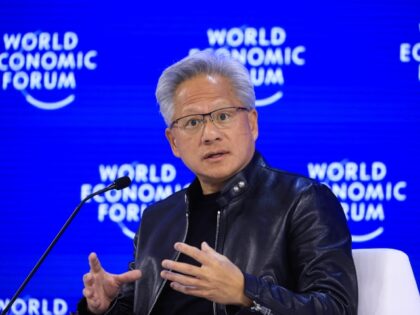
Dario Amodei, the CEO of AI giant Anthropic, strongly opposes the United States’ decision to permit the sale of advanced AI chips to China, calling the move a serious national security mistake.
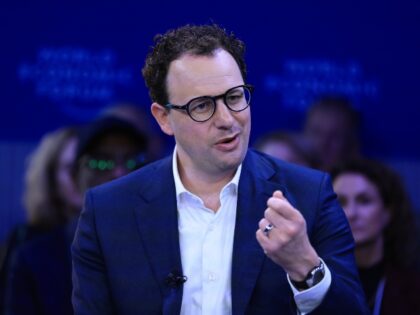
Nvidia CEO Jensen Huang has announced that Chinese demand for the company’s H200 advanced AI processors has reached high levels following the Trump administration’s approval of sales to China.
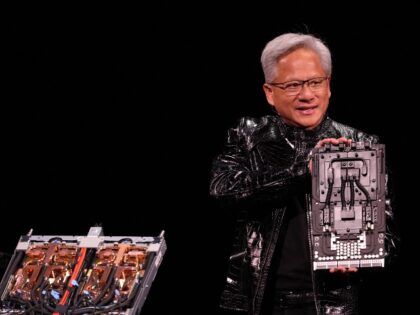
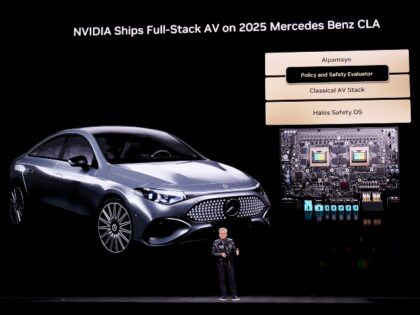
AI chip giant Nvidia has announced a major expansion into autonomous vehicle technology with the launch of its new AI-powered platform for self-driving cars. The company is partnering with Mercedes-Benz to produce a driverless car in competition with Waymo, Tesla, and other tech giants. CEO Jensen Huang says, “Our vision is that someday, every single car, every single truck, will be autonomous.”
Nvidia is racing to ramp up production of its advanced H200 AI chips as Chinese technology companies have placed orders for over 2 million units for 2026, far exceeding Nvidia’s current inventory of just 700,000 chips. The AI giant has turned to Taiwan’s TSMC to help meet Chinese demand.
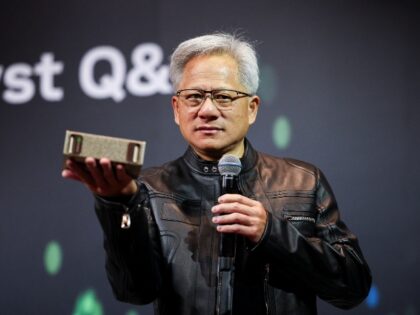
Nvidia, the world leader in AI chips, has purchased Intel shares worth $5 billion, carrying out a transaction announced in September that will contribute to Intel’s ongoing recovery.