U.S. Economy Shows No Strains from China Tariffs
Tariffs did not raise prices on consumers. But they did initially pressure profits. The latest price data shows that has eased.

Tariffs did not raise prices on consumers. But they did initially pressure profits. The latest price data shows that has eased.
Prices of light trucks, appliances, and computers all fell in September, once again demonstrating the tariffs aren’t taxing consumers.
The Department of Labor’s Producer Price Index fell 0.3 percent in September from a month earlier.

Prices of goods, less food and fuel, unexpectedly fell in July, once again demonstrating tariffs are hurting U.S. consumers.|
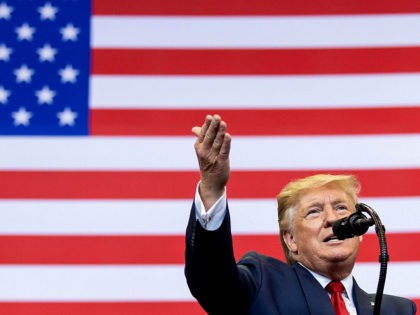
The acting White House chief of staff explained this morning’s price data. Importers pay tariffs but consumer prices aren’t rising.

Claims that the China or metals tariffs are squeezing consumers lack any basis in fact, the most recent inflation data show.
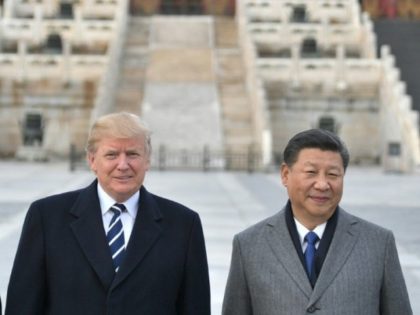
Neither the tariffs placed on steel and aluminum a year ago nor the more recent ten percent tariff on Chinese goods has pushed prices of goods sold to consumers up.
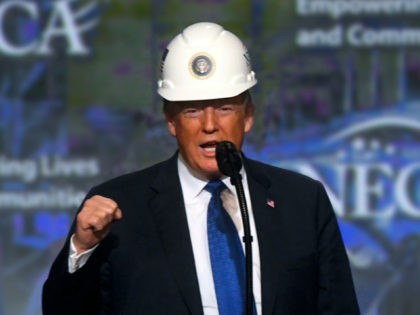
Lower than expected prices received by businesses indicates that inflationary pressures in the U.S. remain very weak.
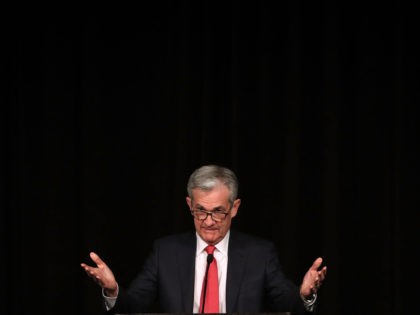
When Trump announced tariffs on steel and aluminum last year, economists predicted an auto-paclypse would send prices soaring higher.

A new study seems to show a very small loss from tariffs. But a closer look shows even that is produced by flawed analysis.
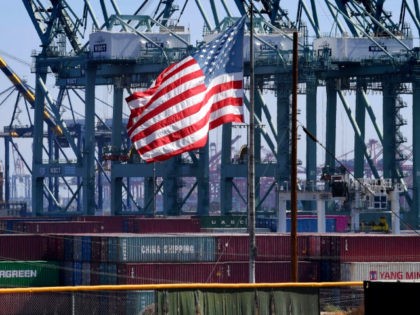
Critics said tariffs would be a tax on U.S. consumers. The recent data on producer prices, however, show higher costs are not getting passed on to American consumers.