Ukraine Claims Responsibility For Sinking Russian Warship in Libyan Port
Ukraine has claimed responsibility for the sinking of one of Russia’s most modern warships over 1,000 miles away from the front line.
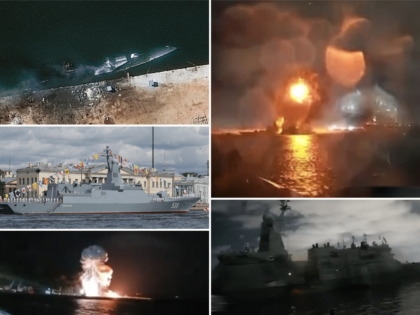
Ukraine has claimed responsibility for the sinking of one of Russia’s most modern warships over 1,000 miles away from the front line.
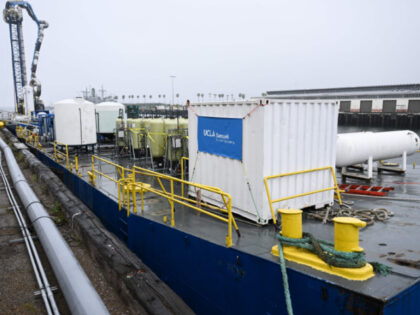
A barge used to capture and control emissions caused a near-fatal accident last month at a California port when its massive snorkel collapsed, adding to concerns that some hold about the far-reaching impact of the California Air Resources Board (CARB) that the barge was operating to be in compliance with.
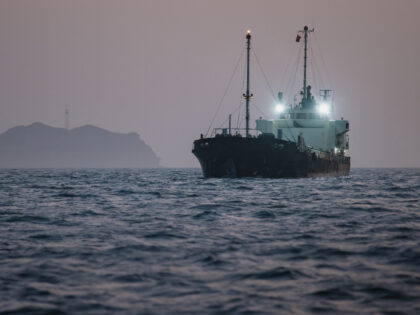
UKMTO reports a tanker was struck by two projectiles while passing through the Persian Gulf off the coast of Qatar on Wednesday.
China and Djibouti released a joint communique on Thursday supporting freedom of navigation in the Red Sea and Bab el-Mandeb Strait, which are currently under threat from the Iran-backed Houthi insurgents of Yemen.

Somaliland’s President Abdirahman Mohamed Abdullahi, known colloquially as “Irro,” told Breitbart News in an exclusive interview on the sidelines of the United Nations General Assembly (UNGA) that American President Donald Trump is a “great man” who can “make more history” than he already has by formally recognizing Somaliland as its own country.

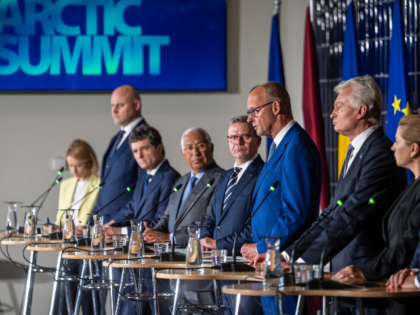
The European Arctic Summit held its first working session in Finland on Monday, bringing leaders from across Europe together to discuss the possibilities offered by new Arctic shipping routes and natural resources, as well as the dangers posed by Russia’s heavy presence.
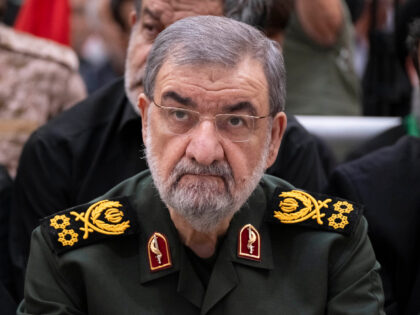
Iran said it will announce a new “restricted area” in the Persian Gulf that ships will only be allowed to pass through with permission from Tehran.
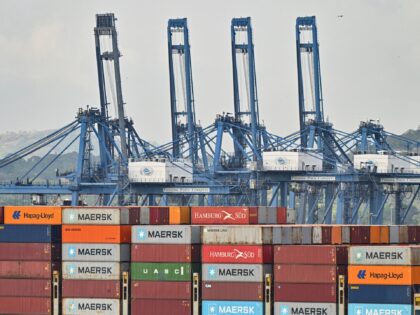
Hong Kong-based CK Hutchison announced that it seeking $1.5 billion in damages through international arbitration proceedings launched against Panama on Wednesday over the loss of two key Canal contacts this year.
Oman has reportedly devised a plan, endorsed by other Persian Gulf states, to “manage” traffic through the Strait of Hormuz in partnership with Iran — and for both nations to collect “voluntary fees” from ships that use the vital waterway.

The oil-producing nations of the Persian Gulf are stepping up their efforts to divert shipping away from the Strait of Hormuz, where Iran has been launching terror strikes on civilian vessels.
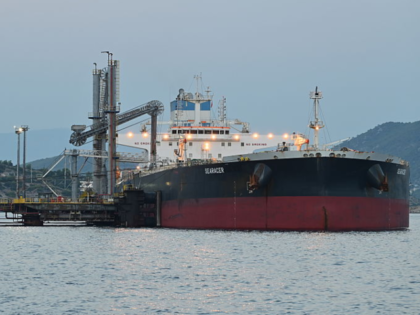
International and U.S. benchmark oil surged by over 4 percent on Wednesday amid renewed fears of supply disruptions, as Iran’s terrorist proxies in Yemen began implementing their “maritime ban” against Saudi Arabian oil tankers in the Red Sea, turning several ships away with threats of force.

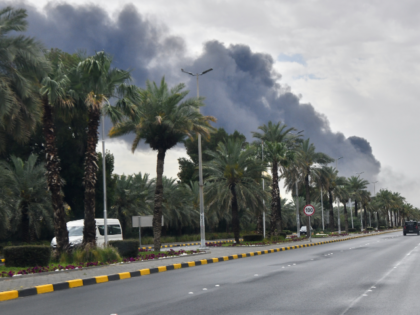
Iran’s attacks on neighboring countries are causing massive disruptions of commerce and travel in Jordan, Kuwait, and Saudi Arabia, from reduced oil exports to canceled airline flights, even though most of Iran’s missiles and drones have been intercepted.
India’s Directorate-General of Maritime Administration (DGMA) issued an order on Wednesday prohibiting ship owners and companies from using Indian nationals as crew for voyages through the Strait of Hormuz until further notice.
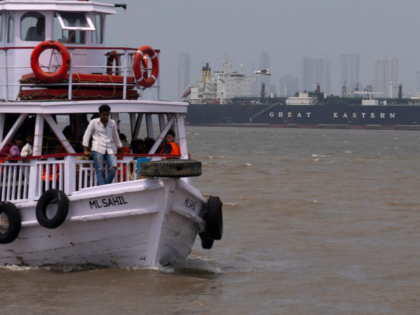
The Chinese Foreign Ministry lamented the resurgence of violence between Iran and the United States on Wednesday, urging both countries to “follow through on their memorandum of understanding” and “avoid resorting to force.”
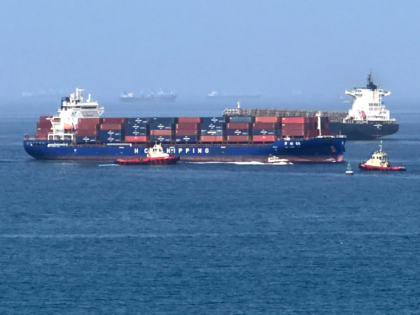
A cargo ship came under attack Sunday off the coast of Yemen in the Red Sea, the British military said, the latest maritime attack off the conflict-torn Arab country.
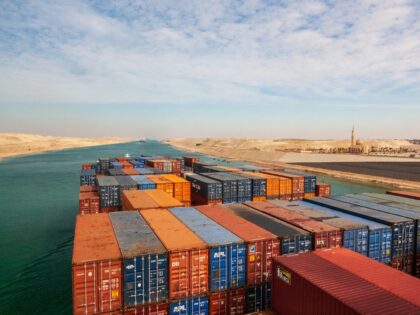
German shipping giant Hapag-Lloyd said on Sunday that chaos is the “new normal” in the Strait of Hormuz, with the constant threat of Iranian attacks looming, even though the regime in Tehran supposedly agreed to reopen the strait in the Memorandum of Understanding (MOU) it signed with the United States.
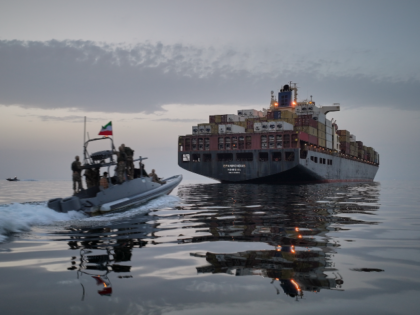
Maritime intelligence firm Kpler says a total of 172 ships have passed through the Strait of Hormuz since last week.
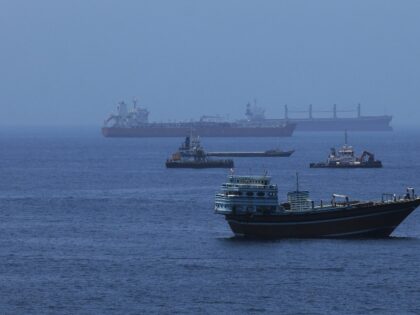
Shipping traffic is reportedly beginning to move through the Strait of Hormuz, which Iran promised to reopen without tolls or ransoms as part of its ceasefire deal with the United States.
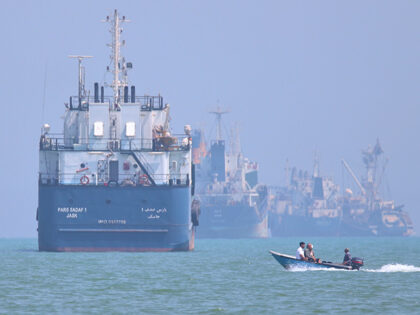
Tamura Jotaro, CEO of Japan’s Mitsui OSK Lines (MOL), predicted that it will take “at least a couple of weeks, or if not a month” for shipping traffic through the Strait of Hormuz to return to pre-war levels.
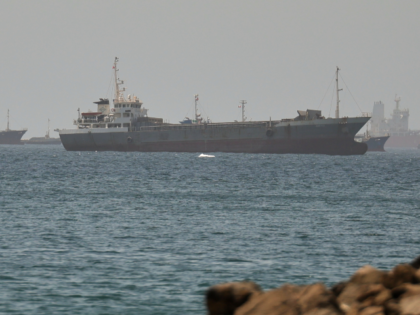
The Iran-backed Houthi insurgents of Yemen declared “a complete and total ban on Israeli maritime navigation” through the Red Sea on Monday.

On Wednesday’s broadcast of MS NOW’s “The Last Word,” Rep. Chris Deluzio (D-PA) said that President Donald Trump has “exposed the limits of his ability to stop the Iranians from harassing shipping, it has made all of us more vulnerable,

A French-owned container ship was “struck by an unknown projectile” in the Strait of Hormuz overnight, injuring crew members.
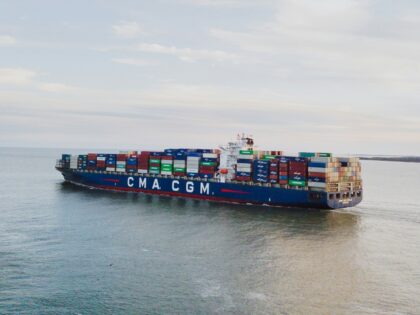
The government of Somalia on Thursday announced Israeli ships are no longer allowed to pass through the Bab al-Mandab Strait, a vital passage that links the Red Sea with the Gulf of Aden and the Indian Ocean.
The Strait of Hormuz in the Middle East is hardly the only waterway on President Donald Trump’s mind worldwide at the moment.
Ship-tracking services reported on Thursday that traffic through the Strait of Hormuz remains at less than 10 percent of its normal level, despite Iran ostensibly promising to halt terror attacks on civilian vessels as part of its ceasefire agreement with the U.S. and Israel.
Foreign Minister of Panama Javier Martínez-Acha on Wednesday called for China to respect Panama’s legal sovereignty amid a series of arbitrary detentions of Panama-flagged vessels by Chinese authorities after Hong Kong-based CK Hutchison lost control of two key Canal ports.
The Houthi insurgents of Yemen appear to have joined the Iran conflict on behalf of their arms dealers and paymasters in Tehran by launching missiles and drones at Israel on Saturday.

U.S. Federal Maritime Commission (FMC) Chairman Laura DiBella on Thursday warned that the FMC is closely monitoring a surge in detentions of Panama-flagged vessels by Chinese authorities after the Panamanian Supreme court annulled contracts that gave Hong Kong-based CK Hutchison control of two key Panama Canal ports.
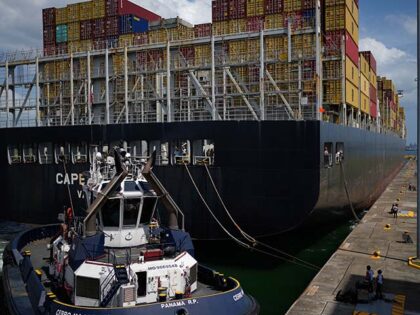
Iranian lawmaker Somayeh Rafiei told the Iranian Students’ News Agency (ISNA) on Thursday that her colleagues are considering a plan to impose tolls on ships passing through the Strait of Hormuz, which Iran has been blockading by launching wanton attacks on international shipping since the beginning of Operation Epic Fury.
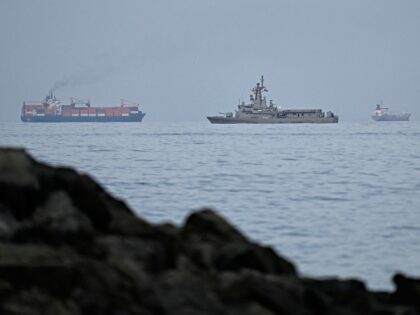
President Donald Trump suggested on Sunday that he might delay his planned trip to China due to the Iran war, especially if China refuses to help secure the Strait of Hormuz against Iranian terror attacks on civilian tankers and cargo ships.
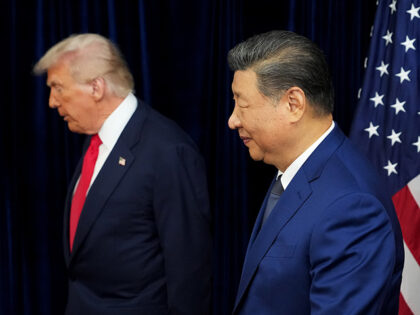
The military operation in Iran entered its sixteenth day on Sunday. The eyes of the world continue to focus on the Strait of Hormuz and its impact on international energy markets, while both President Trump and the remnants of the Iranian regime both reject suggestions of peace negotiations.
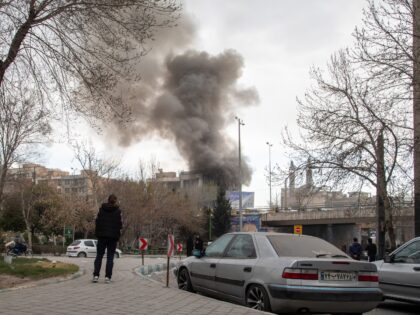
On Friday’s broadcast of Newsmax TV’s “Wake Up America,” Rep. Scott Perry (R-PA) said that not only should there be a waiver to the Jones Act — which requires goods shipped between American ports be transported on American ships —

Commercial vessels sailing near the Strait of Hormuz are reportedly identifying themselves as Chinese-owned or crewed by Chinese nationals, in an effort to avoid terrorist attacks from Iran.
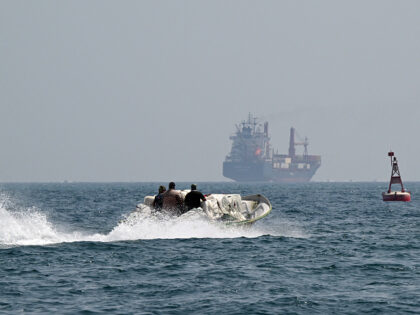
A Trump administration official told Breitbart News that Chinese officials have now threatened to detain Panamanian-flagged vessels in China, something that could disrupt global commerce and represents retaliation against Panama for recent developments taking control of the two ports on either end of the Panama Canal out of the hands of a Hong Kong company controlled by the Chinese Communist Party (CCP).
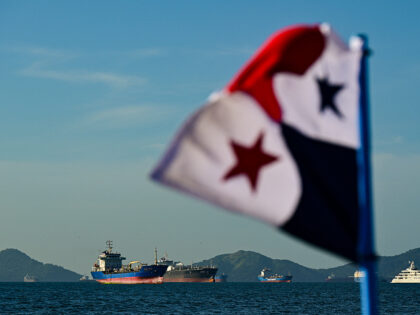
The Chinese Ministry of Transportation on Tuesday summoned representatives of shipping giants Maersk and Mediterranean Shipping Company (MSC) to discuss how “international shipping operations” have been disrupted by the Iran war and the Panama Canal legal dispute.
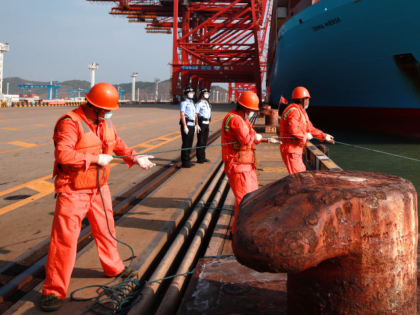
Swedish authorities are investigating a cargo ship sailing in the Baltic Sea that they believe is a stateless vessel.
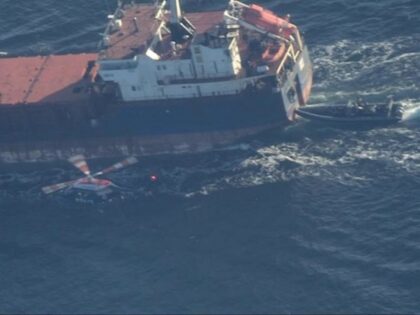
Seemingly under intense pressure from China, Iran’s terrorist Islamic Revolutionary Guard Corps (IRGC) modified its threats to close the vital Strait of Hormuz to worldwide oil shipping, claiming that it would only attack American, Israeli, and European ships.
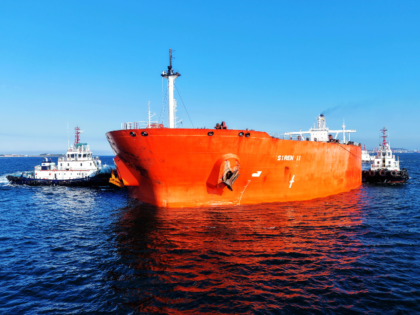
The shipping industry is concerned that the war in Iran could disrupt worldwide supply chains, far beyond the loss of oil and liquid natural gas (LNG) shipments moving through the Strait of Hormuz.
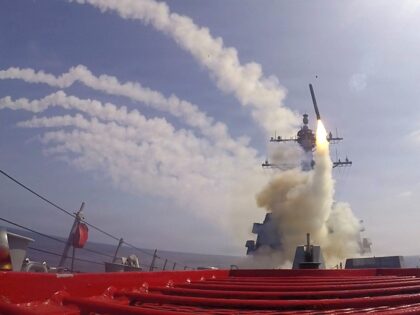
Iran’s Islamic Revolutionary Guard Corps announced Saturday the strategically vital Strait of Hormuz was closed to all shipping traffic.
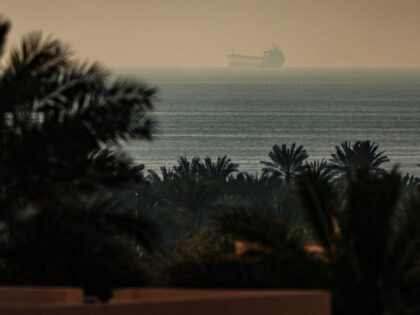
Shipping giant Maersk announced on Friday that one of its ships successfully navigated the Red Sea and Bab el-Mandeb Strait for the first time in almost two years, potentially signaling a return to using the cost-effective trade route after the Iran-backed Houthi terrorists of Yemen shut it down with missile and drone attacks.
