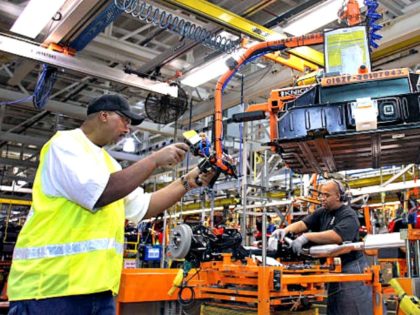
Report: Chinese Exporters Worry About Trade Fight
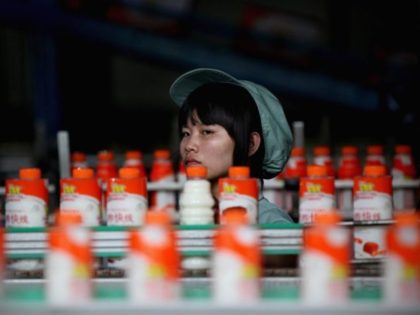
In a survey of 135 Chinese exporters, 65 percent said they have “worries” about a trade war. But only 26 percent expect a “full-blown” trade war.
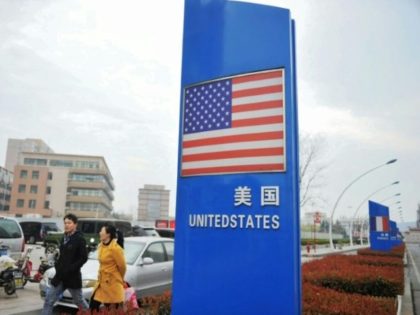
In a survey of 135 Chinese exporters, 65 percent said they have “worries” about a trade war. But only 26 percent expect a “full-blown” trade war.
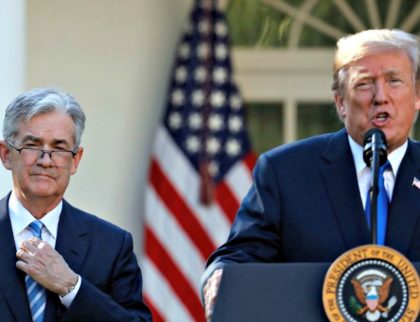
The Fed clearly is not suffering from Trump Derangement Syndrome, the compulsion to present all of Trump’s policies as terrible, no-good, very bad. It knows what Trump has done and thinks the economy has strengthened.
“The golden opportunity for Chinese start-ups to ‘go Latin’ may have arrived,” China’s state-run Global Times declared on Tuesday, pointing to the enormous increase in Chinese trade with Latin America over the past two decades and China’s promise to invest $250 billion in the decade to come.

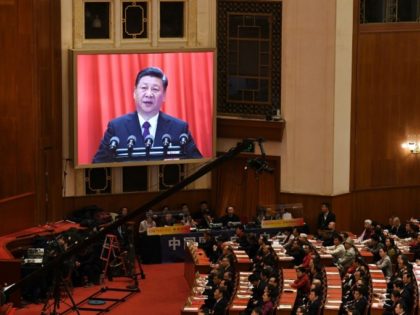
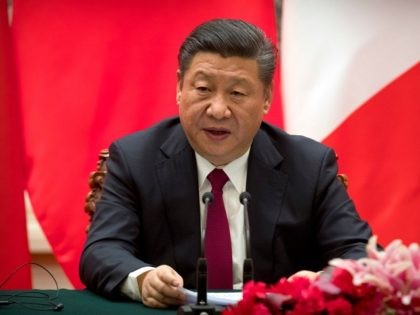
Chinese President Xi Jinping’s Tuesday pivot on trade and intellectual property is encouraging to the White House, but the Trump administration will move forward with intentions President Donald Trump has announced until the Chinese government produces concrete actions.
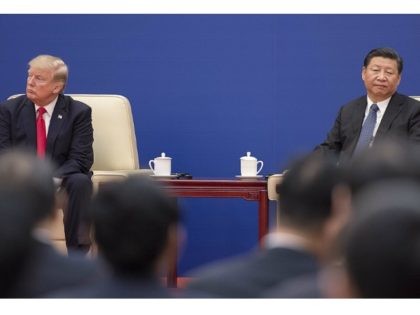
At the Boao Forum for Asia’s annual conference in the southern Chinese province of Hainan, Chinese President Xi Jinping promoted globalism as the key to mutual prosperity among all nations.
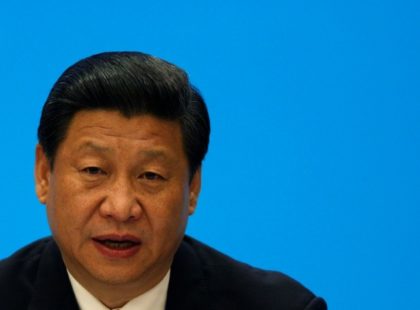
“Very thankful for President Xi of China’s kind words on tariffs and automobile barriers … also, his enlightenment on intellectual property and technology transfers,” Trump wrote on Twitter. “We will make great progress together!”
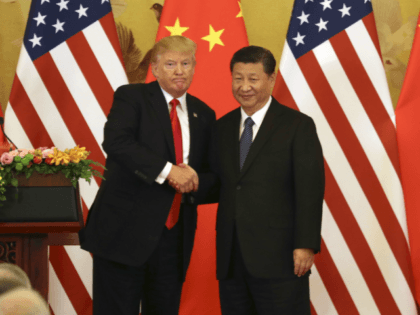
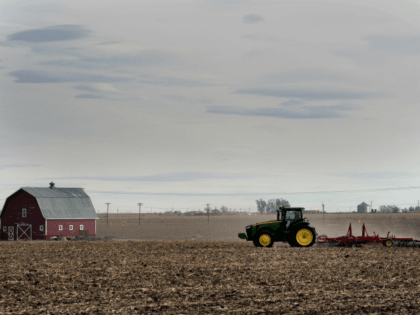
President Donald Trump acknowledged that his stand-off with China on trade was hurting American farmers, but promised that conditions would change eventually.
President Donald Trump explained his frustration on the trade disparity between the United States and China by highlighting the unfair tariffs on automobile sales.
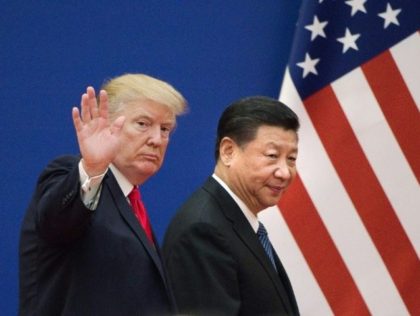
National Economic Advisor Larry Kudlow revealed Friday afternoon that the Trump administration is mulling over creating and providing to China a list of suggestions that the United States would like to see come out of negotiations over trade practices and tariffs with the country.
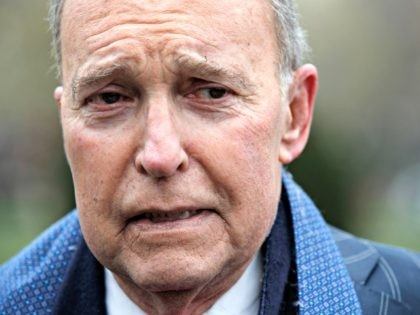
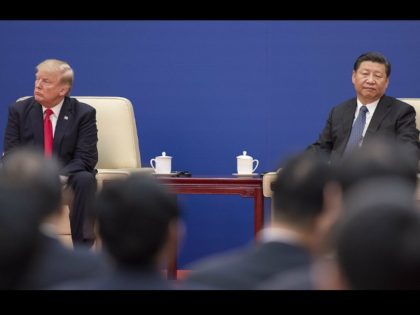
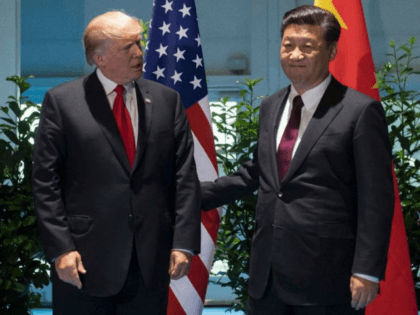
Mnuchin described himself as “cautiously optimistic” that a deal to avoid trade barriers could be reached with China, in part because Trump and Chinese President XI Jinping “have a very good relationship.”
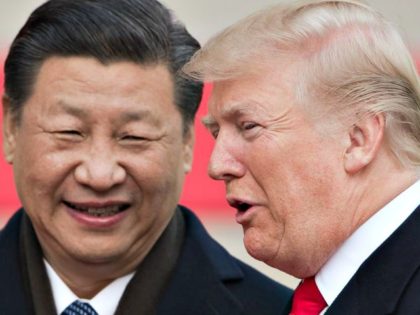
President Donald J. Trump finally put the money where his mouth is and the Section 232 tariffs on imported metals went into effect on March 23, 2018. But the global push-back against them managed to reduce some of their bite.
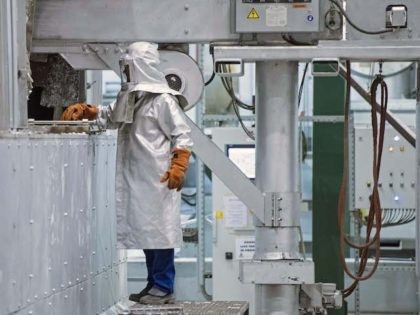
The likelihood of an all-out trade war between the United States and China may drive communist Beijing to increase further its reliance on its top economic partner Brazil, Latin America’s largest economy.
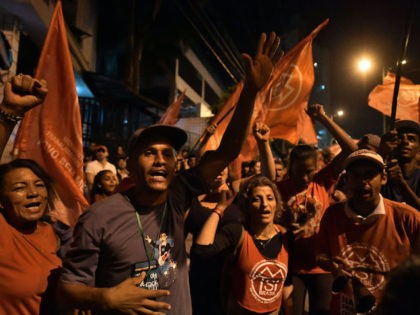
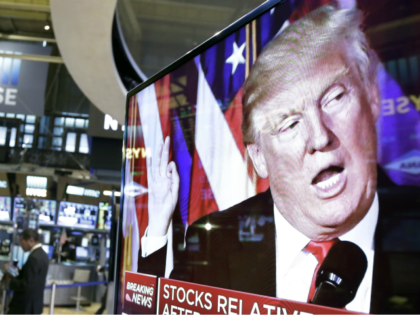
President Donald Trump warned Wall Street investors that they should expect a tumultuous period of economic activity amidst the ongoing tariffs battle with China.
Free traders — myself included — will have our turn. But for now, the debate has changed. When in a trade war, we must win.
“In light of China’s unfair retaliation, I have instructed the USTR to consider whether $100 billion of additional tariffs would be appropriate under section 301 and, if so, to identify the products upon which to impose such tariffs,” Trump said in a statement released by the White House.
The new tariffs on aluminum are not weighing on American consumers and manufacturers as so many predicted. In fact, aluminum prices have fallen since Trump imposed the tariffs.
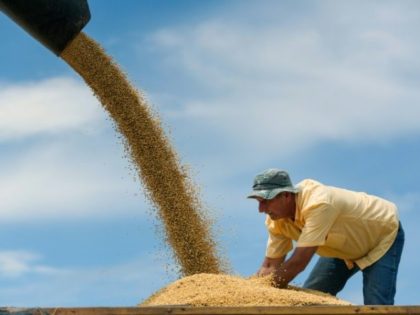
Rick Manning, president of Americans for Limited Government, rebuffed warnings of economic damage to the U.S. via pending Chinese tariffs on certain U.S. agricultural and foodstuff exports. In that interview Wednesday with SiriusXM’s Breitbart News Tonight with co-hosts Rebecca Mansour and Joel Pollak, he said U.S. exports of fungible commodities, such as corn, pork, and soybeans will be purchased by other countries if Chinese tariffs make them too cost-prohibitive for purchase in China.
So what happened to the dreaded trade war? Either trade wars are not as bad for stocks as many of the market pundits believe or perhaps investors are not as worried that tariffs will lead to all-out trade combat.
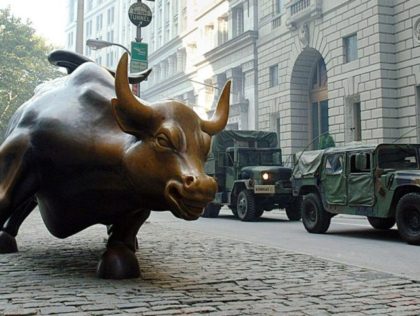
White House Economic advisor Larry Kudlow reacted to the stock market jitters following China’s decision to levy tariffs on American products in response to President Donald Trump’s tough actions on China.
China is trying to hurt Trump’s voters. It is not clear if this will be an effective strategy to pressure the administration or simply anger Trump’s supporters.
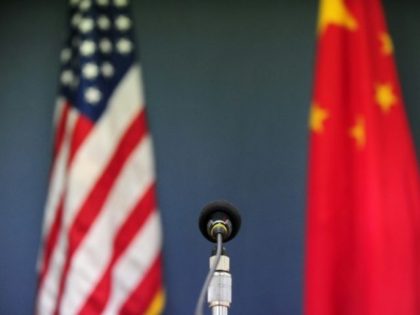
The Trump administration’s China trade policies are a marked departure from the past. Instead of appeasement, Trump is fighting the new economic Cold War.
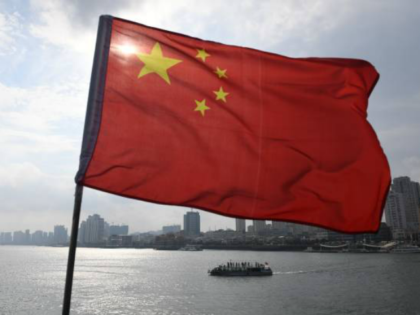
“We are in danger of giving away the internet market to companies beholden to the Chinese Communist party. If we do nothing, we’re not supporting free enterprise, we’re buying our way into economic servitude.”
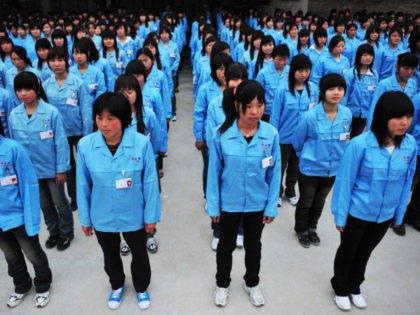
“We are not in a trade war with China, that war was lost many years ago by the foolish, or incompetent, people who represented the U.S.,” President Trump wrote on Twitter on Wednesday.
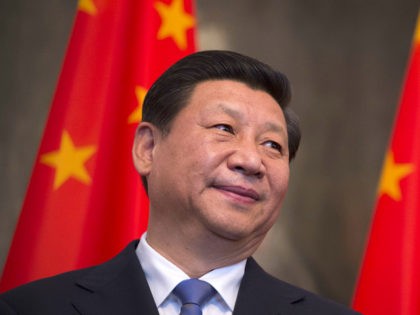
The United States has “enormous leverage” over China that can be used to bend the Chinese government’s trade policies, Gordon Chang, an expert on China and columnist at The Daily Beast, said on Monday’s edition of Breitbart News Tonight in an interview with co-hosts Rebecca Mansour and Joel Pollak.
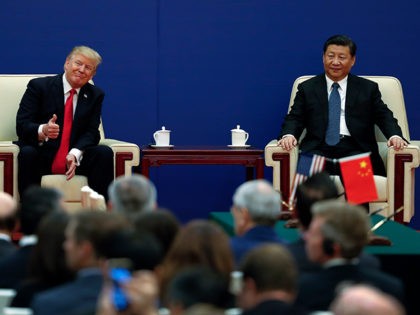
China retaliated Monday against President Donald Trump’s $60 billion of tariffs with just $3 billion of tariffs on mostly fruit, wine, nuts and pork.
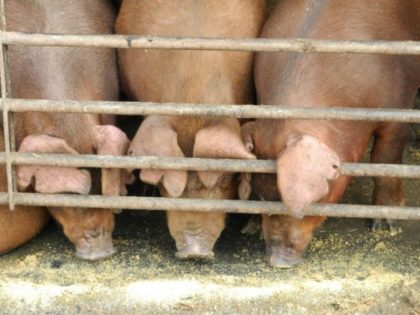
China imposed tariffs on U.S. farm goods and other commodities, making good on its promise to retaliate against the Trump administration’s penalties on imports of steel and aluminum.
The majority of Americans say the United States is not tough enough when it comes to China’s growing economic dominance.
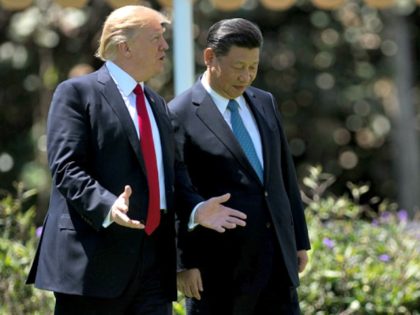
Economist and Asia Times columnist David P. Goldman joined SiriusXM hosts Rebecca Mansour and Joel Pollak on Monday’s Breitbart News Tonight to discuss President Donald Trump’s trade negotiations with China and other Asian nations.
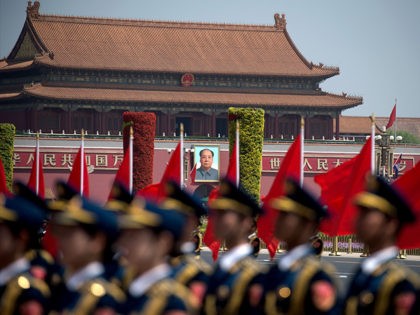
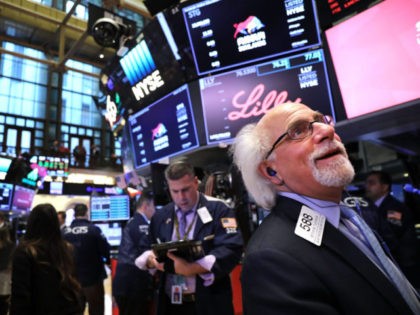
Investors were cheered by signs that the Trump administration’s trade policies appear to be producing cooperation and compromise rather than sparking a trade war.
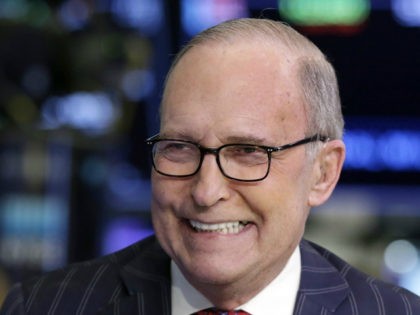
During Sunday’s “The Cats Roundtable” on New York AM 970 radio, newly appointed director of the National Economic Council Larry Kudlow defended President Donald Trump’s position on China tariffs, calling for the country’s counterfeiting and stealing to stop. “[C]ontrary to
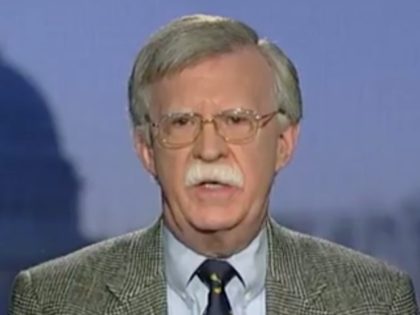
Sunday on New York AM 970 radio’s “The Cats Roundtable,” President Donald Trump’s newly appointed national security adviser John Bolton discussed the proposed tariffs to be levied on Chinese imports. “[T]he president was trying to communicate to signal to China
“If somebody imposes a trade war on China, we’ll fight to the end,” China’s ambassador to the U.S. said on state television.
President Donald Trump on Thursday acknowledged how instrumental Sen. Bernie Sanders’ (I-VT) supporters were in his 2016 victory, saying they were “a big part” of the difference between himself and Hillary Clinton.
“China absolutely won’t sit back and allow its legitimate rights and interests to be harmed and will take all necessary measures to protect” itself against U.S. tariffs, a Chinese official said.
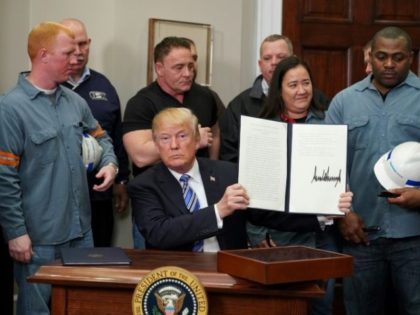
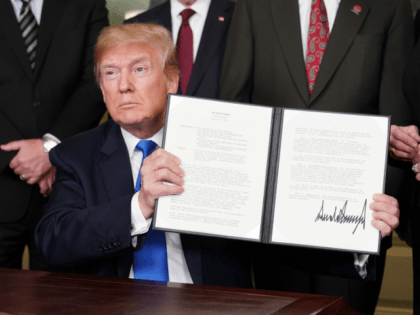
President Donald Trump emphasized the importance of “reciprocal” trade as he signed a presidential memorandum on Thursday to protect the United States from China’s economic aggression and theft of intellectual property.
“If we keep going the way we’re going, we will be an agricultural colony for China,” said Curtis Ellis, praising President Trump’s tariff crackdown on China’s trade abuses, during a Wednesday interview on SiriusXM’s Breitbart News Tonight with co-hosts Rebecca Mansour and Joel Pollak.
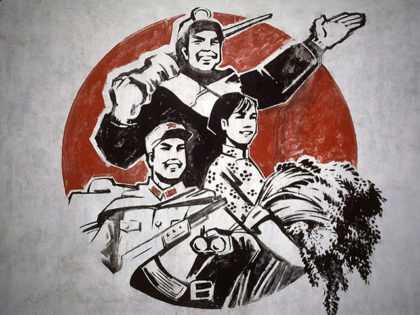
President Donald Trump is planning to launch as much as $60 billion in tariffs against China.
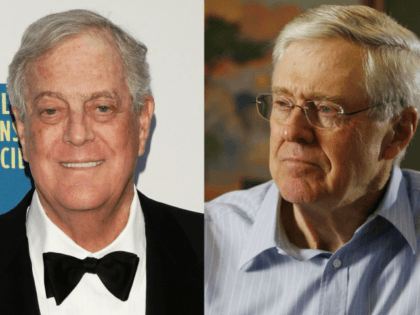
The billionaire GOP mega-donor Koch brothers are continuing to oppose President Trump’s economic nationalist agenda
Republicans who opposed President Donald Trump’s announced tariffs on steel and aluminum imports now signal openness to a narrower package of duties levied solely on America’s strategic competitor, China.
The vast majority of Americans say it is more important for the United States to have a strong manufacturing base than to have an exorbitant amount of cheap, foreign products.