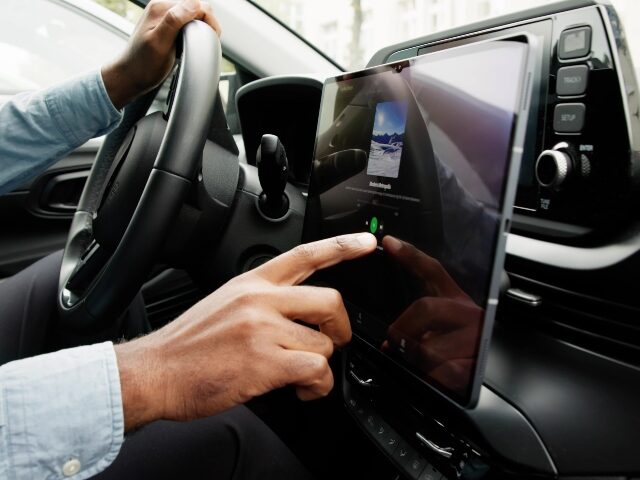

Stellantis, the parent company of Jeep, Ram, and Chrysler, has come under fire for sending marketing notifications directly to vehicle owners’ infotainment screens, sparking a heated debate about the appropriateness of such tactics.
The Drive reports that Stellantis has begun pushing marketing notifications and pop-up ads directly to the infotainment screens of Jeep, Ram, and Chrysler vehicles. The ads, which promote loyalty cash discounts for new car purchases, have been labeled by some as an intrusive and unwelcome invasion of their driving experience.
The issue first came to light when auto writer and car enthusiast Zerin Dube shared a photo of the “marketing notification” displayed on his WL Grand Cherokee’s screen. The post quickly gained traction on social media, with other Stellantis vehicle owners confirming that they had received similar ads on their screens. The backlash was swift, with many users expressing their displeasure and vowing never to purchase a vehicle from the company again.
Stellantis has defended its decision to send these notifications, stating that it is a way to “stay in contact with our owners at critical points in their ownership.” The company also pointed out that the in-vehicle message system is used for other important communications, such as vehicle recall notices and health monitor alerts. However, many owners argue that there is a clear distinction between essential safety information and unsolicited marketing.
The pop-up ads appear to be part of Stellantis’ broader strategy to boost sales and compete with rivals like the Ford Bronco, which has been gaining ground in the off-road vehicle segment. The $1,500 loyalty bonus advertised in the pop-ups is just one of the many discounts that Stellantis dealers are offering to attract customers. Some buyers, like Dube himself, have taken advantage of these offers, with reports of discounts totaling up to $16,500 on new Jeep models.
Despite the potential savings, the majority of vehicle owners have expressed their disapproval of the pop-up ad strategy. Many feel that their infotainment screens should be free from unsolicited marketing messages, as they can be distracting and detract from the overall driving experience. Some have even raised concerns about the safety implications of such ads, especially if they appear while the vehicle is in motion.
This is not the first time Stellantis has faced criticism for its in-vehicle messaging practices. Earlier this year, the company came under fire for advertising extended warranties to owners via their infotainment screens. In that instance, the offers continued to appear even after owners acknowledged them by pressing “OK,” and some owners reported seeing the ads despite their vehicles exceeding the mileage limit mentioned in the promotion.
As connected cars become increasingly common, the debate surrounding the appropriate use of in-vehicle messaging is likely to intensify. While manufacturers see these systems as a way to maintain contact with customers and promote their products, many owners view unsolicited marketing as an unwelcome intrusion into their personal space.
In response to the backlash, Stellantis has stated that owners can permanently opt out of in-vehicle messaging by contacting the company’s customer care line. However, some argue that the onus should not be on the consumer to opt out of unwanted marketing messages in a product they have already purchased.
Read more at the Drive here.
Lucas Nolan is a reporter for Breitbart News covering issues of free speech and online censorship.
COMMENTS
Please let us know if you're having issues with commenting.