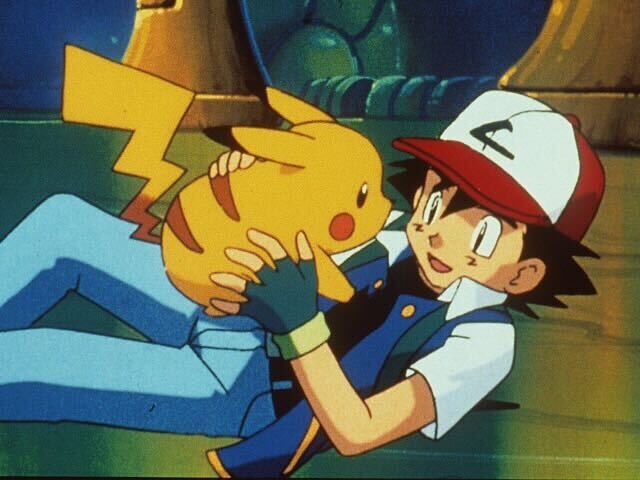
The Chinese state propaganda newspaper Global Times celebrated on Tuesday that two clothing brands had disappeared products featuring the Nintendo game franchise Pokémon from their Chinese stores following the advertisement of a Pokémon event at the Yasukuni Shrine.
The state newspaper reported that the clothing companies Uniqlo of Japan and China’s Li-Ning had removed all Pokémon products from its websites. In China, the Global Times reported that the brand’s stores no longer showcased any Pokémon items.
“The Global Times found that Pokémon-branded items have disappeared from Uniqlo’s official app, as well as from its flagship stores on JD.com and Taobao. The products are also no longer available at the company’s major brick-and-mortar outlets,” it noted, adding that its reporters called several Uniqlo stores and confirmed that the move was “nationwide.”
Li-Ning also confirmed to the state propaganda outlet that it would not longer sell Pokémon products indefinitely. Neither company offered a clear reason for the removal, though the Times heavily suggested that the Yasukuni Shrine controversy was the reason for this measure.
Li-Ning is a Chinese sportswear company that has secured lucrative contracts with several players in the National Basketball Association (NBA), where the Communist Party has repeatedly attempted, with some success, to impose its political agenda. Uniqlo, while Japanese, is extremely active in China and has been described as “the most China-dependent fashion retail giant.” Uniqlo has faced criticism and U.S. government action as a result of suspected links to the enslavement of Uyghur and other Turkic peoples in occupied East Turkistan. The company has denied that it uses cotton from East Turkistan, where the Communist Party is currently engaging in genocide against the Uyghurs and other indigenous groups.
The Yasukuni Shrine is a Shinto establishment in Tokyo that honors Japan’s war dead. Founded in 1869, it honors about 2.5 million Japanese who died in battle. China and South Korea take great offense to the shrine as many of those soldiers died fighting on behalf of Imperial Japan in World War II and at least 14 of those enshrined there are formally classified as war criminals. Imperial Japan indulged in a host of atrocities in that period against the colonized populations of China and Korea.
Despite the vocal outrage from Beijing and Seoul, many Japanese politicians continue to maintain ties with the Yasukuni Shrine, including Prime Minister Takaichi Sanae, who has regularly visited it and sent offering throughout her career.
The Pokémon controversy erupted last week when alleged Chinese “netizens” noticed an unofficial event listed on the Pokémon website set to take place at the shrine, an alleged Pokémon Trading Card Game meetup. Pokémon as a brand rapidly deleted the listing following the controversy and issued an apology on Friday, insisting that the event was not an official brand event and that its corporate officials were unaware that it was listed on the site when it first emerged.
“We sincerely apologize for the mixed reactions and opinions that have resulted from this publication,” Pokémon said in a statement. “In order to prevent a similar situation from happening again in the future, we will fundamentally review and strengthen our event information checking system and approval process to prevent it from happening again.”
The apology and explanation that Pokémon did not sponsor or officially organize an event at the shrine has not stopped the Communist Party shaming apparatus from targeting the company for a boycott. The Global Times noted in its reporting on Uniqlo and Li-Ning that the People’s Daily, the official newspaper of the Communist Party of China, condemned Pokémon in an article published Saturday, a day after The Pokémon Company apologized.
“The People’s Daily published an opinion piece on Saturday, saying that as a global company with significant international influence, Pokémon should uphold correct values and show respect for the feelings and basic customs of people in different countries,” according to the Times. That editorial does not appear to have been published on the English-language People’s Daily website.
That say day, China Daily, another Communist Party outlet, published an unhinged cartoon depicting Pokémon’s signature character, Pikachu, about to be buried under a collapsing cliff and surrounded by ghosts and the Pokémon Grimer apparent dressed as an Imperial Japanese soldier.
“Gotta catch em all, but not at the cost of history,” the cartoon declared. “Mess with historical red lines and you lose more than just fans.”
Adding to the Chinese regime-fueled outrage are previous incidents that it has repeatedly mentioned in coverage of the Trading Card Game event fiasco, including the publication of photos in 2019 showing employees of Creatures, Inc., one of Pokémon’s parent companies, visiting the shrine. Outrage in both China and South Korea prompted the company to delete the photos, which it had published on the social media site Twitter.
The Chinese government regularly targets companies in the free world with shaming campaigns calling for boycotts or effusive statements of surrender to the Communist Party worldview. Beijing has pressured several hotel and travel chains, for example, into not listing Taiwan or Hong Kong as separate entities from China, although the former is a sovereign state and the latter was, prior to 2020, autonomous from Beijing. China has also forced several fashion companies to apologize for allegedly “offensive” advertising, including Dolce & Gabbana and the watch company Swatch.
Follow Frances Martel on Facebook and Twitter.
COMMENTS
Please let us know if you're having issues with commenting.