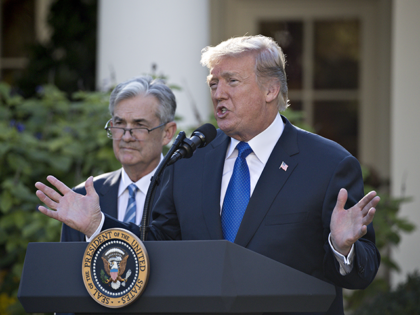
Breitbart Business Digest: What Donald Trump’s Trade Policy Learned from Adam Smith
On the 250th anniversary of “The Wealth of Nations,” it is worth noting that Adam Smith defended the policy mix now advanced by President Trump.
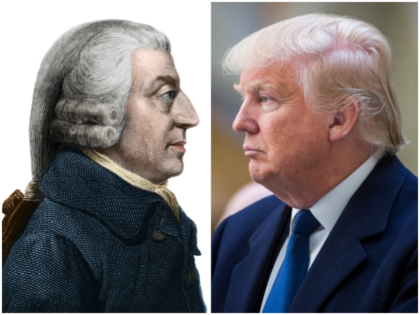
On the 250th anniversary of “The Wealth of Nations,” it is worth noting that Adam Smith defended the policy mix now advanced by President Trump.
Two hundred and fifty years after the publication of The Wealth of Nations, the public figure who most embodies Adam Smith’s ideals is Donald Trump.

It took Wall Street a while to come around, but the stock market has finally embraced the president’s worldview.
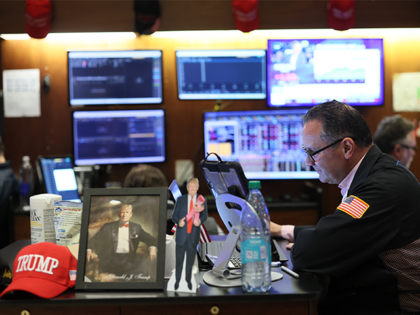
This is the Breitbart Business Digest weekly wrap of business and economic news, where we strive to increase output despite no increases in our newsletter’s payroll.

Randolph Bourne said war is the health of the state. Fine. Then let’s say the other part out loud: war is a disease in the economy.
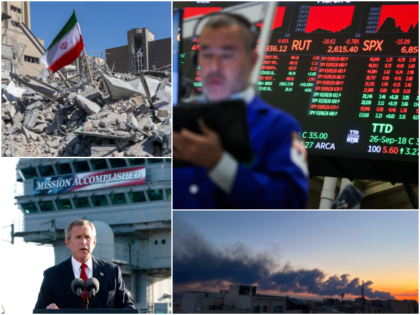
The war may continue. But the market panic, at least for now, seems to be looking for an exit strategy.

The market is doing the only honest thing it can do in the fog of war: trying to price the duration of the conflict.

Financial markets on Monday indicated that any damage to the U.S. economy from the military conflict between the U.S. and Iran is likely to be minimal.
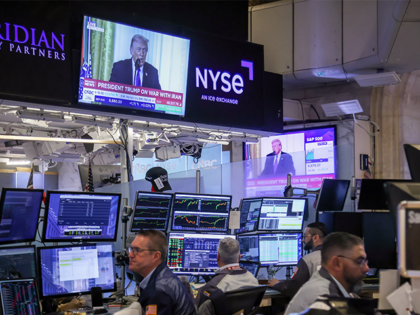
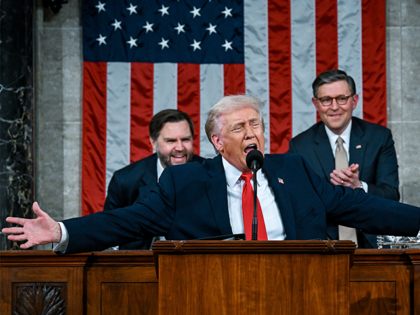
This week President Trump reminded us that the state of our union is great again, the economists spilled nerd blood over the definition of a balance of payments problem, and AI came for the technology companies.
The Supreme Court’s recent tariff decision has created an unusual near-term setup: a temporary “tariff valley” that could trigger another wave of import stockpiling in the months ahead.

President Trump led off his State of the Union speech by addressing the state of the economy, highlighting the progress on bringing down inflation after the Biden-Powell surge that undermined America’s post-pandemic recovery.
A new NBER working paper claims to show that tariffs reduce trade, output, and manufacturing. But the paper’s findings are being oversold.
The Trump administration’s use of Section 122 of the Trade Act of 1974 to impose temporary tariffs has drawn sharp criticism from a gaggle of anti-Trump economists and self-styled trade experts.
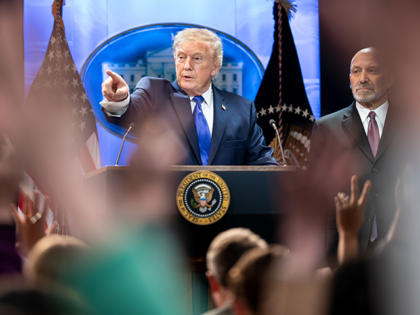
The Supreme Court invalidated President Trump’s sweeping tariff policy, ruling 6-3 that the International Emergency Economic Powers Act did not grant the president the authority to impose tariffs.

America just experienced the largest quarterly trade deficit decline in recorded history outside of a recession.
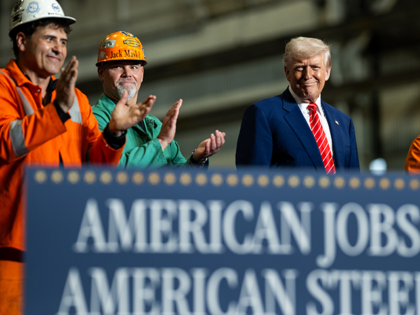
Manufacturing is not in retreat. It’s booming. Industrial output hit an all-time high in November and then broke that record in December.
“You’re Paying 90% of Trump’s Tariffs,” the Wall Street Journal editorial board declared last week. It’s a startling claim. But the study it’s based upon has a faulty methodology.

This is the Valentine’s Day-President’s Day-Friday the 13th edition of the Breitbart Business Digest weekly wrap-up. It’s mostly a love letter to the U.S. economy, with just a touch of horror movie action and a dash of presidential history combined with Valentine’s Day gifts.
The Trump administration still has a path forward in rebalancing global trade even if the Supreme Court strikes down the president’s tariffs.
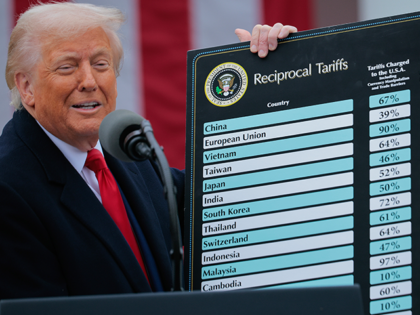
The acceleration of America’s economic growth under President Trump is driving up hiring without the need for the arrival of hundreds of thousands of workers crossing our borders in defiance of our immigration laws.
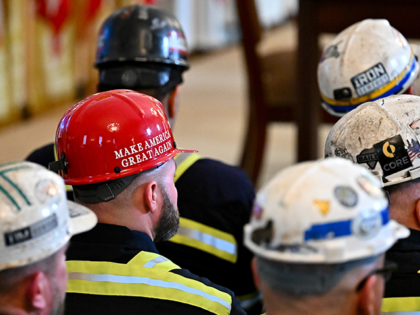
A Silver Lining in a Soot-Soaked Retail Sales Report Analysts had visions of sugar plums dancing in their heads for December retail sales. Instead, they got a lump of coal. The Census Bureau said Tuesday that retail sales were flat

Xi Jinping is betting that China can build domestic alternatives to American semiconductors and reduce its dollar exposure before either becomes a crisis.
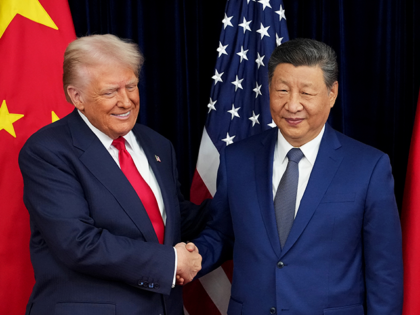
This week, investors decided that maybe it was time to give AI a bit of time off for good behavior, the Cato Institute celebrated rising tax bills due to immigration, and Disney made it clear that its future isn’t in entertainment.
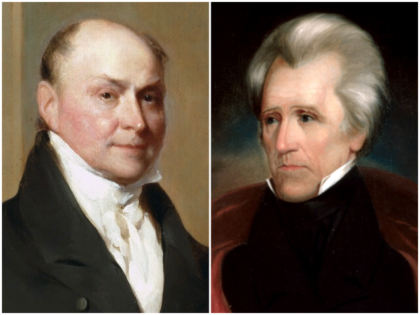
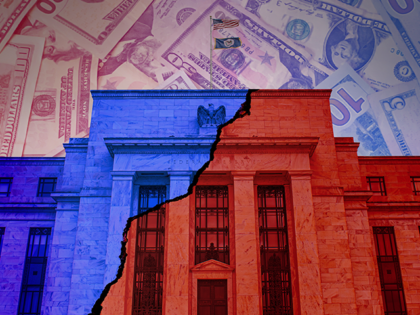
In the Fed’s modern history, the FOMC has always chosen the sitting Board chairman to be its chairman as well. Politics, however, has a habit of stress-testing assumptions.
Warsh’s most fundamental critique of the Federal Reserve targets the Fed’s devotion to economic models that consistently fail to predict reality.
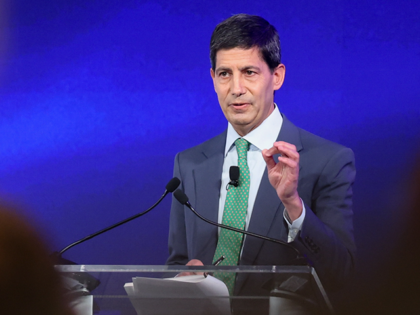
The most consequential feature of Kevin Warsh’s view of the Federal Reserve is his focus on balance sheet reduction.
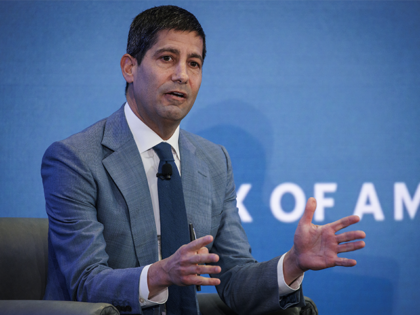
The nomination of Kevin Warsh to chair the Federal Reserve has prompted concerns from friends and foes of President Trump’s economic agenda.
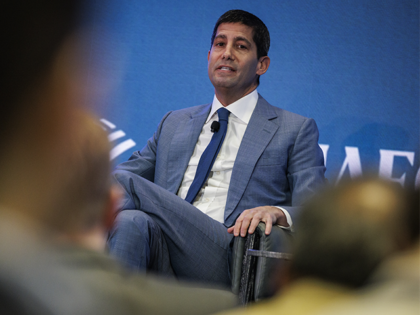
This week culminated in the nomination of a former Bush White House economic official to succeed Jerome Powell as Fed chair.
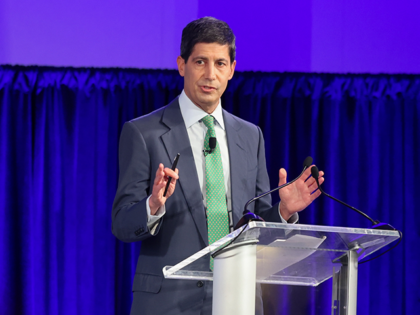
Productivity is surging in America, which will likely mean subdued inflation even while wages rise and rapid economic growth continues.
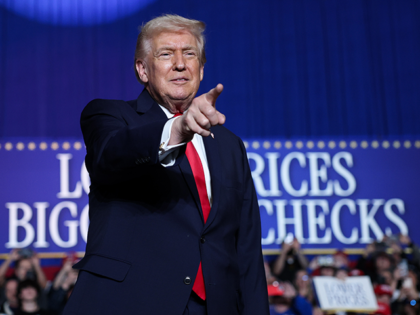
What began as Section 530A in last year’s One Big Beautiful Bill Act is evolving into something more substantial: a multi-layered wealth-building system combining government seed capital, corporate matching, philanthropic donations, and family savings.
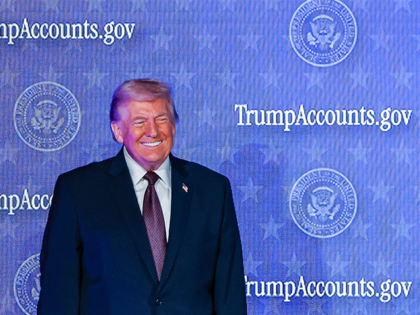
Disguising austerity in populist rhetoric doesn’t make the proposal to cut Social Security actually a populist proposal.

Andrew Ross Sorkin wants corporate America to join the resistance.
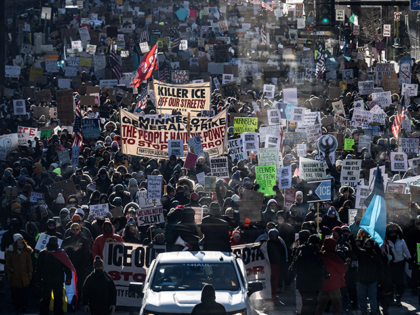
This is the Breitbart Business Digest’s weekly wrap, where we run through the news of the week with the wild abandon of a Canadian Prime Minister kowtowing to Chinese communists.
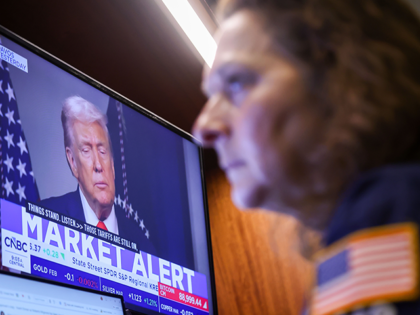
The current consensus growth estimate of 2.1 percent for 2026 is almost certainly too low.
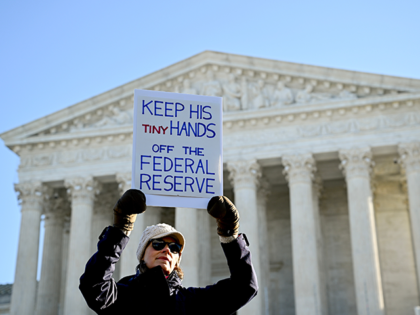
The constitutional answer in the Trump v. Cook case isn’t an expansive judicial review of the president’s removal decisions. It’s trusting the Senate to do the job the framers assigned it.
Just about the biggest question in trade economics today is who is paying for the tariffs.

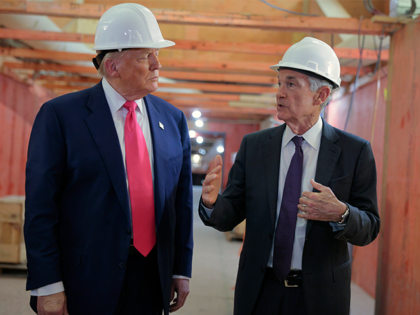
The shot heard ’round the world was not fired by President Donald Trump but by Federal Reserve Chair Jerome Powell, who insisted he was merely defending his territory from an unwelcome intrusion of Justice Department interferers.
Cato Institute economist Scott Lincicome’s recent column argues that U.S. manufacturing “ended 2025 with a thud,” but his analysis makes the fundamental error of treating employment as the scoreboard in a labor-constrained economy.
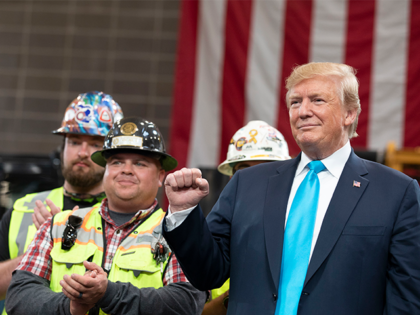
The December CPI data is clear: the tariff inflation crisis was an elite panic disconnected from economic reality.
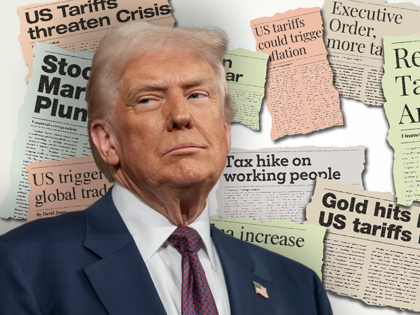
Jerome Powell’s decision to publicly attack the Trump administration could give President Trump the opportunity to appoint a leader of the Federal Reserve without Senate approval.