Samsung Pay Set to Crush Apple Pay
The newly-introduced Samsung Pay is about to crush Apple Pay, because all newer generation Galaxy mobile phones already work with 85 percent of “swipe-style” credit card machines.
Cell phones have become so popular that only the most dire medical findings would be likely to significantly reduce their use, but the financial and legal fallout from product liability lawsuits could deliver a major blow to the industry, with one likely result being a significant increase in the cost of cell phones, from both redesigns meant to minimize potentially harmful radiation, and the cost of major lawsuits. Who knows what other sorts of nanny interventions we could face down the line? Phones treated like packs of cigarettes, slathered with warning labels? Mandatory warning messages piped into the ears of users when they’ve been on the phone too long?

It’s been compared to the huge “Heartbleed” bug that panicked the Internet last year. It could prove to be an even worse problem than Heartbleed was, because while devising and distributing fixes for that problem was hardly an easy task, it wasn’t as difficult as updating the operating system on some 950 million cell phones from various providers.

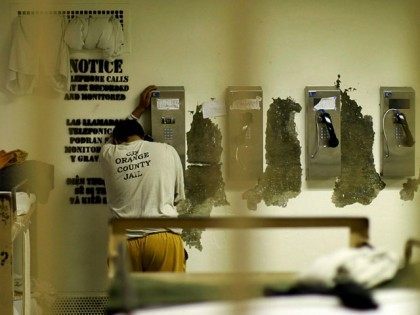
The Obama Administration has dropped a plan to outsource the storage of cell-phone metadata to third-party vendors, but the Surveillance State is still very much interested in that data. From a public-relations standpoint, the goal of these post-Snowden reform proposals is to erase the image of phone companies “giving our phone data to the government.” If the companies are storing the data themselves and making it accessible to the government, the public’s comfort level with the process might increase.