Consumer Confidence Plunges to Near-Lowest Level This Year
Sharp drop reflects growing pessimism about jobs, incomes and business conditions as the Democrats’ government shutdown weighs on sentiment.

Sharp drop reflects growing pessimism about jobs, incomes and business conditions as the Democrats’ government shutdown weighs on sentiment.

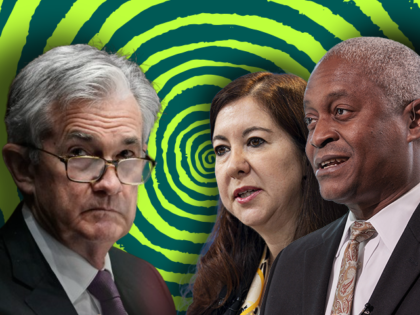
This week, the government finally revealed the September jobs data, and we learned about the mysterious resignation of yet another Fed official.

The Chinese National Bureau of Statistics reported on Friday that manufacturing activity contracted for the seventh consecutive month in October, posting even lower numbers than expected.

Consumer confidence slipped slightly in October, marking the third consecutive monthly decline, though Americans showed modest improvement in their views of current economic conditions even as concerns about the future intensified, according to data released Tuesday by the Conference Board.

Consumers reported better assessments of current business conditions and a modestly improved outlook for the next six months. Both measures rose in August, suggesting households see momentum outside the labor market.

The Conference Board’s Consumer Confidence Index jumped by 12.3 points in May, the largest monthly gain in four years.

U.S. consumers’ confidence in the economic outlook fell sharply in April, driven by rising concerns over trade policy and financial market volatility, even as their assessment of current business and labor market conditions remained steady, according to a report released

The Expectations Index — a gauge of how consumers view future income, business, and labor market conditions — plummeted to 65.2, the lowest level in 12 years.

U.S. consumer confidence slid sharply in February, posting its steepest decline since August 2021, as Americans grew increasingly concerned about rising prices, weakening job prospects, and the broader economic outlook. The Conference Board’s Consumer Confidence Index fell 7 points to

Consumer confidence climbed in November, reaching its highest level in over a year, as Americans responded to an improving economy and Donald Trump’s return to the presidency. The Conference Board’s consumer confidence index rose to 111.7, up from a revised

Consumers are much less happy with current conditions and more pessimistic about what’s coming.

Republicans are feeling better about the future as polls show Trump-Vance are favored to win in November.

Courts in Hong Kong heard four liquidation suits against Chinese developers from their frustrated creditors last week, a record number of cases to hit the courts at the same time.

Consumer confidence rose in May but households’ assessments of their financial health worsened and inflation expectations rose.

Both major measures of consumer confidence declined in February. The Conference Board’s expectations index is below the level that often signals a recession.

On Friday’s broadcast of Bloomberg’s “Balance of Power,” White House Council of Economic Advisers Chair Jared Bernstein reacted to the fall in consumer sentiment in the University of Michigan survey, which was the worst intramonth fall since March of 2020,

The Shaky Edifice of Improved Consumer Confidence Americans are feeling better about the economy than they have in years. Or at least Democrats are. Consumer confidence—as measured by the Conference Board’s monthly survey—surged to a two-year high in January, the

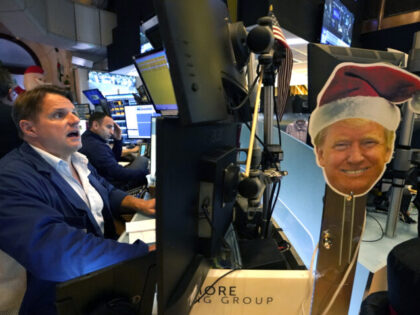
Tis the season to be jolly.

The consumer confidence index improved in November but the expectations component is still below the threshold that indicates a recession is coming in the next year.

More than two-thirds of consumers still said recession is ‘somewhat’ or ‘very likely.’

The proportion of consumers saying recession is ‘somewhat’ or ‘very likely’ rose in September after dropping in August.

Let’s face it. This is Taylor Swift’s economy. The rest of us just work in it.

China’s faltering economy took another beating in July, as both import and export numbers came far below expectations. Imports fell 12.4 percent instead of the five-percent slide that was expected, while exports dropped 14.5 percent against an expected 12.5 percent.

A strong jobs market and easing inflation gave consumer confidence a bigger boost than expected in July.

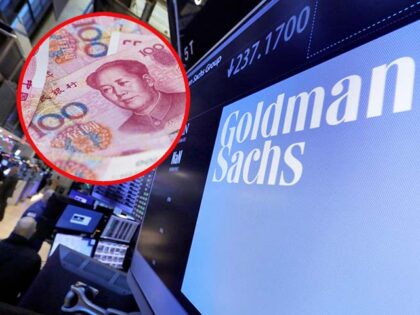
Goldman Sachs downgraded its 2023 growth forecast for China from 6% to 5.4% on Sunday, joining financial institutions like UBS, Bank of America, Nomura, and JPMorgan that have made comparable downward revisions to their China growth forecasts over the past few weeks.

Even after the recent rebound, more Americans say the economy is in poor shape than say it is doing well.

Consumer confidence fell in May from April but remained above the level expected by economists.

Even though consumers are slightly more upbeat about the present, they are increasingly wary of the near future.

Jerome Powell finally got some good news today: the American people grew increasingly pessimistic about the economy in February.

Worsening expectations overcame a favorable view of current job prospects.

This might be one of the most hated stock market rallies in history. The American public’s bearishness on stocks is accompanied by a dour view of our economic prospects over the next six months.

Expectations for business conditions and the labor market made a turn for the worse and expected inflation picked up.

The consumer expectations barometer fell again, hitting a six month low, and remains at a low level consistent with a looming recession.

Here we go again. The Commerce Department on Wednesday said that consumer spending grew by 1.3 percent compared with September, when spending was unchanged with the prior month. Compared with a year ago, retail sales were up 8.9 percent. Total

Consumer confidence was driven down by a sharp decline in assessments of the present situation.

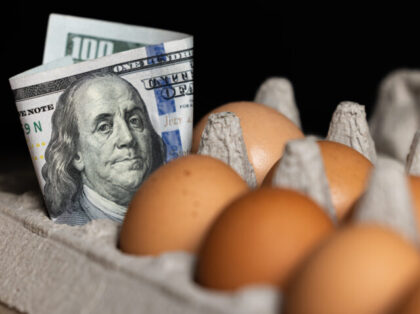
High inflation under Democrat President Joe Biden’s economy is making American consumers anxious about the affordability of basic necessities — such as housing, food, and gasoline.

An increasing share of consumers expect higher incomes and more plentiful jobs six months from now, confounding Fed attempts to cool the labor market.

People are increasingly unhappy with economic conditions as inflation keeps rising and a recession looks increasingly likely.

June saw a bigger than expected decline in consumer confidence due to worsening expectations for the economy.

U.S. consumers are cooling plans to buy big-ticket items or spend on summer vacations.