Consumer Sentiment Rises Broadly in January
Consumer sentiment in the U.S. rose to a five-month high in January as Americans took a sunnier view of the economy and near-term inflation expectations declined for the fifth consecutive month.
Consumer sentiment in the U.S. rose to a five-month high in January as Americans took a sunnier view of the economy and near-term inflation expectations declined for the fifth consecutive month.
In December, U.S. consumers grew less worried about inflation and more optimistic about both personal finances and business conditions.
Weekly Wrap: Netflix Cuts In On Paramount’s Dance With Warner Bros Discovery Welcome back to Friday! This is our weekly wrap-up of economic, financial, and business news—proving that you can never step into the same stream twice. It’s been quite

You would not know it from the gloom-ridden headlines of the financial media, but Americans are feeling a bit better about their personal finances than they were a year ago.

Consumer confidence dropped sharply in September to its lowest level in four months, according to preliminary data released Friday, as Americans expressed growing anxiety about job security and the persistence of high prices.

The Index of Consumer Sentiment climbed to 60.7, up from 52.2 in May, a 16.3 percent increase.

Consumer sentiment soared in early June, rising for the first time in six months and posting its strongest monthly gain since January 2024, according to preliminary data released Friday by the University of Michigan. The university’s closely watched index of

Consumer sentiment remains deeply depressed; and the division between Democrats and Republicans has reached historic, almost unimaginable levels.
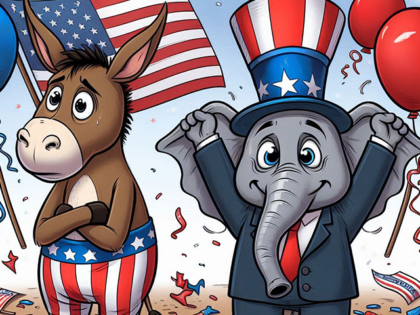
Democratic sentiment hits all-time low as concerns about inflation, trade policy weigh on outlook.

We’re seeing is a bizarre and persistent gap between what Americans are doing — spending more, earning more, feeling good about the country’s direction — and what consumer sentiment surveys claim they are feeling.

Consumer confidence is down, business leaders are worried, and headlines are awash in recession fears. Yet actual economic data stubbornly refuse to cooperate with this gloomy narrative.

Partisan consumer sentiment gaps have been growing for years, but we’ve now entered uncharted territory.

But just because consumer sentiment is driven by partisanship doesn’t mean it cannot signal economic weakness.
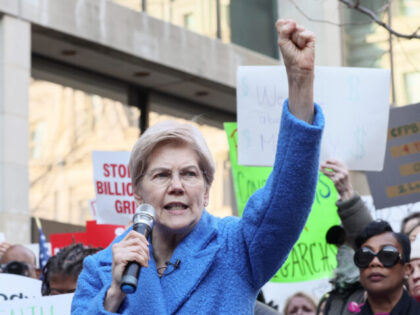
A sharp partisan divide over economic expectations and inflation.

The University of Michigan’s gauge of consumer expectations for inflation over the next 12 months surged higher in early February, indicating that American households think inflation will go much higher over the coming year. Consumers expect prices to rise 4.3
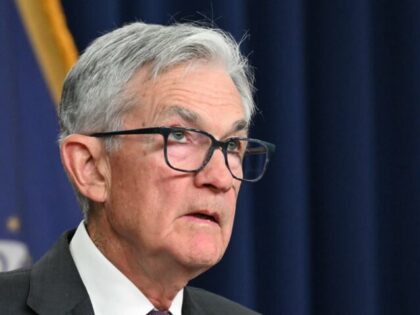
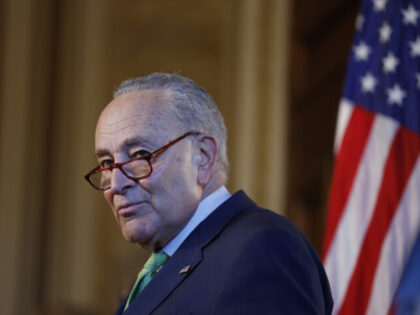
The Fed’s one hundred basis points in cuts at the end of last year has ignited fears of surging inflation.
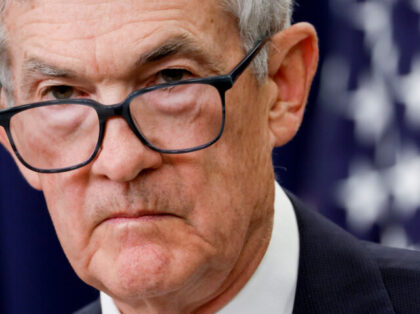
The University of Michigan’s index of consumer sentiment rose in early December to its best reading since April, boosted by more positive views among Republicans and independents following the election of Donald Trump.
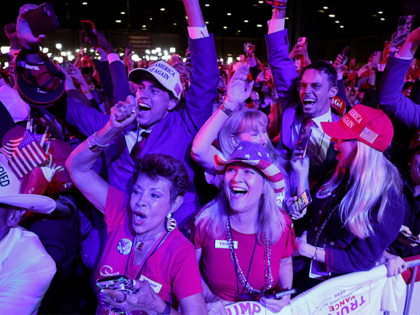
Republicans haven’t felt this optimistic about the economy since October of 2020.

As Donald Trump has surged in polls, consumer sentiment among Republicans is soaring.

A growing partisan divide pushed consumer sentiment higher despite the economy seeming worse to Republicans and independents.

In a presidential election year, many economic surveys cannot escape the gravity of expectations about the outcome of the presidential election.
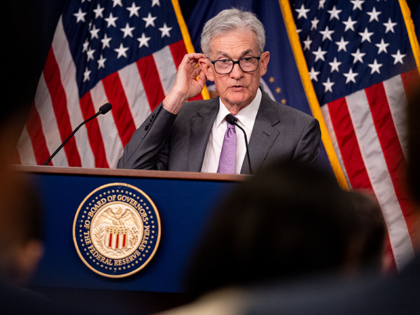
US consumer sentiment dropped in July to its lowest level in eight months as persistent high prices and stubbornly high inflation continued to erode confidence in personal finances. According to the University of Michigan, the final July sentiment index fell
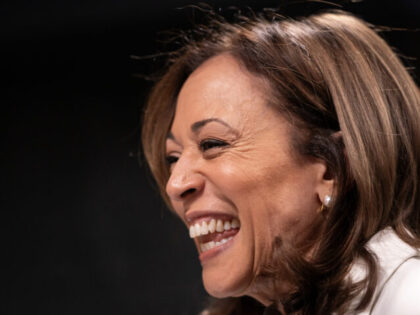
Inflation is still a big weight on consumer views about economy.
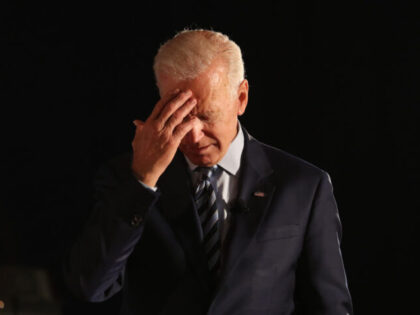
The University of Michigan’s consumer sentiment index fell to 69.1 in May, a sharp decline from 77.2 in April, marking the lowest reading in five months.
Rising inflation has led consumers to rethink the idea that inflation was going to come down a lot this year.
In the first three months of the year, inflation measured by the consumer price index has run at a 4.6 percent annualized rate, much higher than the 1.9 percent rate in the final three months of last year.
On Friday’s broadcast of Bloomberg’s “Balance of Power,” White House Council of Economic Advisers Chair Jared Bernstein reacted to the fall in consumer sentiment in the University of Michigan survey, which was the worst intramonth fall since March of 2020,
The drop in retail sales in January did not reflect a decline in consumer sentiment.

This week’s economic data very likely pushed the timing of a rate cut further out on the calendar.

Increasing Republican optimism about the presidential election helped fuel a sharp rise in consumer sentiment.

Pick any measure of consumer sentiment you find and the reading will be the same: the Biden economy stinks.
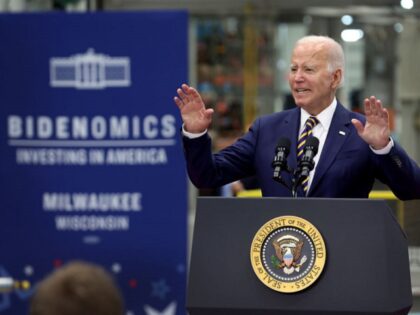
While a majority of Democrats say they are better off, only a tiny slice of Republicans and independents feel that way.

Americans are less worried about inflation and that is giving a boost to consumer sentiment. The University of Michigan’s consumer sentiment index rose to 69.7 in December, nearly 14 percent above the November reading and a few points ahead of

The inflation report released Tuesday is unlikely to do much to support the idea that Bidenomics has been a boon for the American economy.
A growing share of consumers think next year’s election will produce results favorable to the economy.

Someone forgot to tell American families that inflation has been canceled.
Consumers do not expect lower inflation to last.

A significant gloom enveloped American households in October as expectations for business conditions plunged and consumers increasingly worried that inflation is hurting their personal finances.
President Joe Biden’s attempt to jawbone Americans into being happier with the U.S. economy is not working.