Voters in Texas Tell Uber and Lyft to Shove It
Voters in Austin, Texas, decisively rejected a proposal by Uber and Lyft to relax regulations on their companies. They have now responded that they are “pausing” operations there.
Voters in Austin, Texas, decisively rejected a proposal by Uber and Lyft to relax regulations on their companies. They have now responded that they are “pausing” operations there.
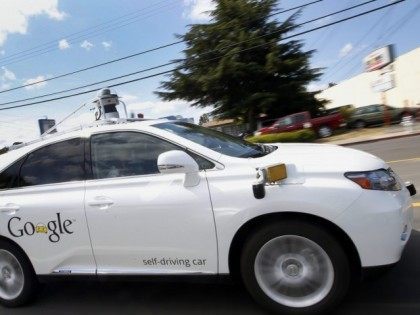
The big push for self-driving cars is well and truly under way, as engineers assure us the technology is rapidly becoming practical. Bloomberg Technology reports that a new coalition to advocate self-driving cars includes Google, Ford Motor Company, Uber, Lyft, and Volvo.
A Los Angeles-based Uber driver has made $90,000 in the last six months alone, almost entirely off referral bonuses he receives when he signs up other drivers. Joseph Ziyaee, has turned the ridesharing service’s rewards system into his own personal

Having reached a compromise with its drivers, ride-hailing company Lyft has averted a class action lawsuit and avoided driver classification changes which would drastically affect their business model.
In the first part of this series, we looked, in considerable detail, at nationalism and populism, among other topics.

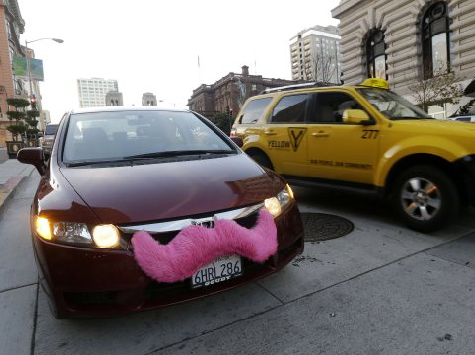
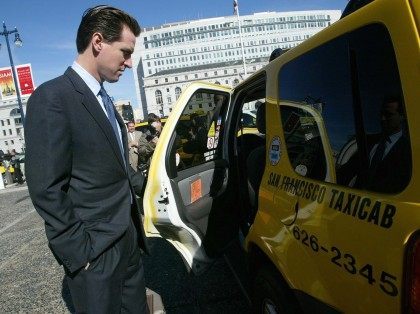
San Francisco’s largest taxi company, Yellow Cab Cooperative Inc., filed for chapter 11 bankruptcy protection Friday, adding it to a growing list of traditional taxi companies that have been feeling the burn from ride-sharing startups Uber and Lyft.
On Thursday, Uber started transporting passengers from LAX, cutting into taxi drivers’ opportunities and prompting taxi drivers to slam the ride-sharing company for lax security procedures.
General Motors Co. and ride-hailing company Lyft Inc. are forming an unprecedented partnership that could help them beat their rivals to the self-driving future.
Justin Bieber is using the ride-sharing app Lyft to help launch his new album Purpose this week–and a few lucky users of the app could even get to share a ride with the pop star.

Since Uber began getting regularly hammered in the press for its aggressive political tactics and potential legal violations, the once outspoken CEO hasn’t given the public much direction about the future of the multibillionaire transportation company.
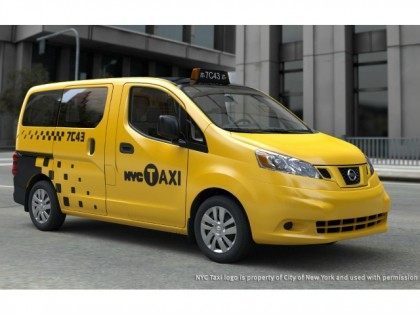
(Ferenstein Wire)—A brand new taxi design was unveiled last week to mixed fanfare, as the tech-enabled Nissan NV 200 “Taxi of Tomorrow” runs on a decidedly 19th-century technology: fossil fuel combustion.
(Ferenstein Wire)—The taxi industry has launched yet another high-profile attempt to conquer their arch nemesis Uber. The upcoming Arro, like many of its predecessors, is an app for hailing and paying for a taxi, much like other ride-hailing companies out of Silicon Valley. Every similar app, so far, has either completely shut down shortly after launch or failed to slow the rise of Uber.
A group of 13 Connecticut taxi and livery companies and the Taxicabs and Livery Council of Connecticut filed a lawsuit in May of last year against Uber and Lyft, claiming that they had created “illegal transportation services that violate federal and state laws and regulations,” and that the companies “deceive customers about the fares they must pay, the safety of the cars and drivers transporting them, the insurance coverage available, and the legality of their offered services.”
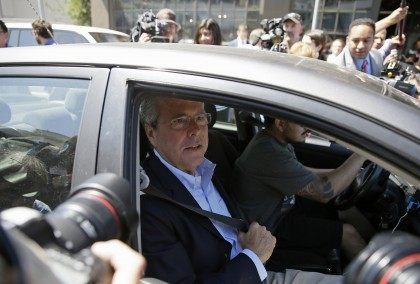
Former Florida Governor and 2016 Republican presidential candidate Jeb Bush arrived in San Francisco on Thursday as part of his latest fundraising binge, during which he met with members of the tech sector and reportedly fielded “tough questions” from those present.
On Thursday, the Los Angeles International Airport (LAX) Board of Commissioners finally granted Uber, Lyft and other ride-sharing services the green light to pick up passengers, making LAX the the second-busiest and largest U.S. airport to do so
As Uber and other Silicon Valley startups come under legal pressure for employing an army of full-time freelancers, a well-funded new startup has decided to completely switch its workforce to staffed employees with full benefits (“W2” workers).
“Millennials” are suddenly realizing that government is something other than “the name we give to the things we choose to do together,” as former U.S. Rep. Barney Frank said. On the contrary, government is often the name we give to what one group of people does to another group by force of law.
The California Labor Comission just ruled that Uber must treat its drivers like normal employees, rather than independent contractors, potentially forcing the company to pay benefits and cover expenses. The decision is being hailed as a victory for worker rights and a major blow to the growing billion-dollar transportation startup.
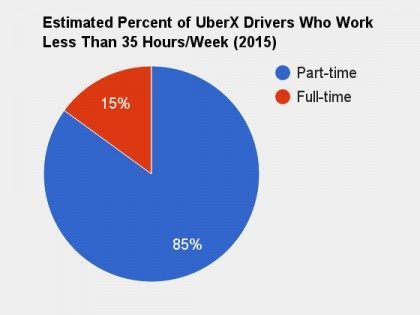
Democrats and Silicon Valley are locked in a head-on collision course; this week, New York City regulators proposed rules requiring Uber and other ride-hailing startups to get pre-approval each time they make major changes to their apps and pay $1,000 to cover the government’s labor costs. The battle between Uber and New York is a perfect example of the fundamental conflict between Democrats and Silicon Valley.
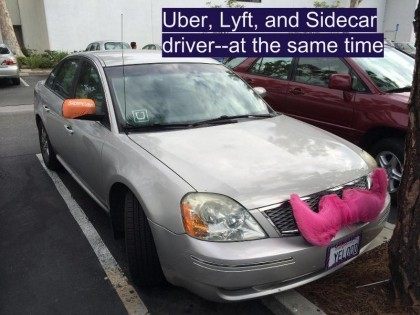
Uber’s popularity overtook traditional taxi service for San Francisco and Dallas business reimbursements in the first three months of 2015, reflecting an overall nationwide trend toward the innovative transportation company, according to analysis of millions of receipts processed through expense management software provider Certify.
In just a few years, a handful of Silicon Valley ridesharing companies have created a new market that’s worth multiple times the entire U.S. Taxi industry.
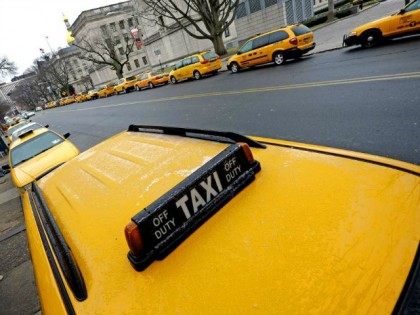
If you are coming in for a landing at John Wayne Airport in Orange County, California, it’s time to pull out your smartphone and use an app to get matched with a driver to pick you up curbside.
The all-Republican Board of Supervisors of Orange County in California is poised next Tuesday to adopt one of the nation’s most aggressive and enlightened policies to open the doors for all passengers flying in and out of John Wayne International Airport to be able to arrive and leave the airport easily via ride-sharing companies such as Uber, Lyft and Sidekick.
AUSTIN, Texas — The Lone Star State has a well-deserved reputation for being business-friendly, but when it comes to regulating ride-sharing services — the alternatives to traditional transportation options like taxis and shuttles — Texas cities get only mediocre grades.