Trump Effect: Tarifflation Scare Crushed as Consumer Goods Prices Plunge in January
AI spending and margin expansion drive producer price index while consumer prices decline.

AI spending and margin expansion drive producer price index while consumer prices decline.
Inflation was mild outside of an increase in energy prices in November, a key gauge of prices showed Wednesday. The producer price index for final demand, which measures prices paid to U.S. producers of goods and services, rose by 0.2

A key measure of prices charged for goods and services produced in the U.S. showed that inflation continued to ease in September.

The Labor Department said it would suspend publication of the monthly jobs report and other major economic data if the government shuts down, including the Consumer Price Index and Producer Price Index, cutting off critical information for businesses, investors and

Prices paid to U.S. businesses unexpectedly fell in August, putting pressure on the Federal Reserve to cut interest rates and undercutting claims that the Trump administration’s tariffs would cause inflation to pick up.

The producer price index (PPI) rose by more than 0.9 percent last month, the biggest increase since June 2022.

Prices paid to American businesses for goods and services held steady in June, defying predictions that tariffs would create inflationary presssures in the U.S. economy.

Tariffs are not raising prices for final demand goods and services in the U.S., as another round of inflation data comes in softer than expected.

Eggselent news!

“When I win, I will immediately bring prices down, starting on Day One,” Donald Trump said on the campaign trail last summer.
In his first full month in office, that’s exactly what happened.

Americans are tired of Biden and Powell’s inflationary legacy but it is not yet done with us.
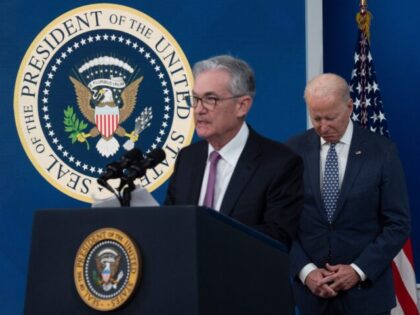
The latest sign that the fight against inflation is not yet won.

The producer price index indicates that inflation is not yet ready to go gently into the night.
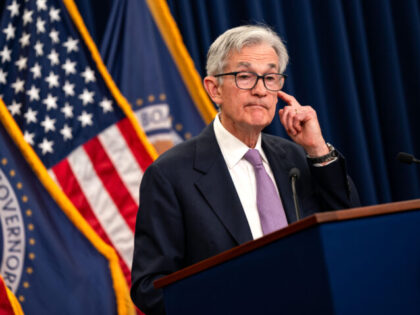
A slightly hotter than expected inflation figure for August is the latest reminder that the Fed has not yet restored price stability.

Inflation pressures in the U.S. showed further signs of cooling in July as producer prices rose just 0.1 percent, less than expected.
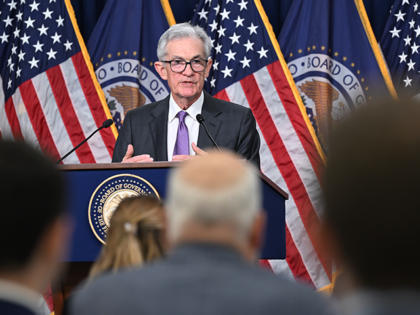
Bidenflation is not done with America yet.
Another soft inflation report for May.

The producer price index shows that inflation accelerated significantly in April.
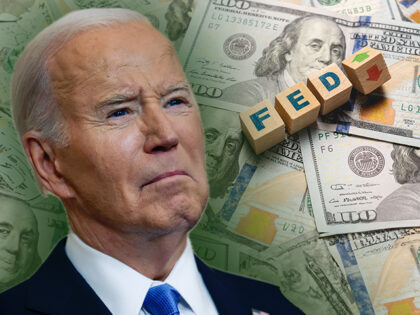
The producer price index, a key gauge of inflation, surged higher in February, confirming that the pace of inflation has accelerated as the new year has got underway.

Inflation came roaring back in January, putting Fed cuts in doubt.

Prices paid for goods and services to U.S. producers were unchanged in November compared with October, the Department of Labor said. The producer price index for final demand, which is the Labor Department’s longest-running inflation gauge but less closely followed

Inflation is proving stickier than expected and core price increases are accelerating.

Higher energy prices are fueling a sharper than expected rise in prices paid to U.S. businesses, a signal that there’s still a long way to go to tame Bidenflation.

Producer prices rose at a faster pace in July.

The producer price index saw the smallest annual increase since 2020.
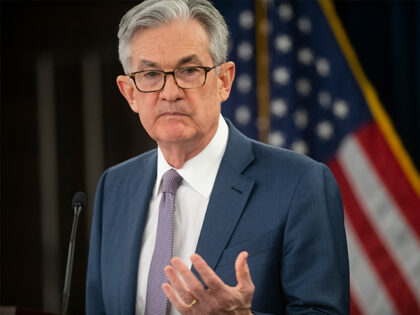
Services prices still rising.
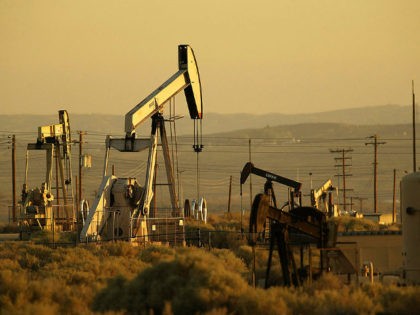
The index, which measures what domestic businesses are paid for goods and services, rose by 0.2 percent in April. In March, the index fell 0.5 percent.

A big decline in gasoline prices in March drove the overall index down.

Core producer prices, however, are still rising.

Following a week of data showing unexpectedly resurgent inflation, fed funds futures contracts now indicate the Federal Reserve will hike its target rate up by half a percentage point in the coming months.

Inflation in the prices of goods and services produced in the U.S. rose at the fastest rate since June of 2022.

Weaker-than-expected holiday sales led to deeper discounts from retailers, wholesalers, services businesses, and producers.

The producer price index comes in hotter than expected and revisions show it has been worse than previously thought since September.

Underlying inflation slowed in October but rising gas prices kept the producer price index higher.

Fresh and dried vegetable prices are up 40.2 percent compared with a year ago.

A big jump in the producer price index for September shows inflation persists and is stronger than expected.

Core PPI accelerated in August. The prices of raw materials sold business to business jumped 5.7 percent.
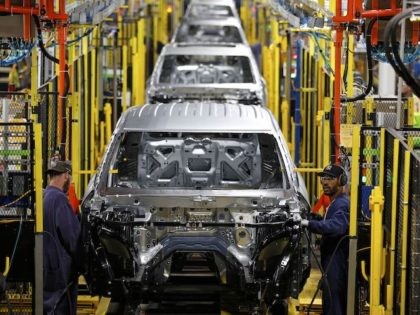
Also: here’s why food inflation matters more than headline or core prices.

It sure doesn’t look like “zero inflation” at the grocery store.
This week’s second government report on the inflation that has gripped the country and rocked the economy for over a year now. Gasoline helped pull down the headline number but excluding energy prices kept rising.