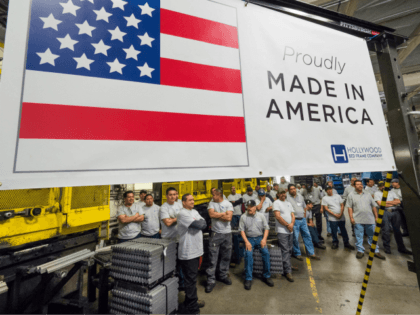
Trump Boom: U.S. Productivity Surges as Businesses Shift from Cheap Labor to Investment
Worker output climbs to fastest pace in two years as companies respond to tighter labor supply.

Worker output climbs to fastest pace in two years as companies respond to tighter labor supply.

Trump’s immigration enforcement has delivered something rare in American politics: a policy that does exactly what its supporters promised.

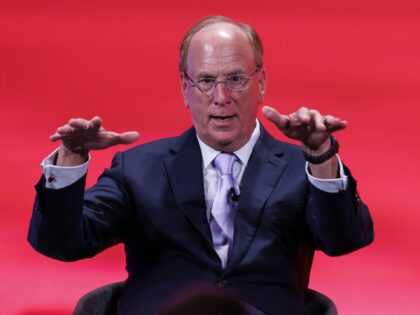
BlackRock founder Larry Fink is warning President Donald Trump’s MAGA policies might cause some inflation before emerging technology allows American citizens to earn higher wages without inflation.

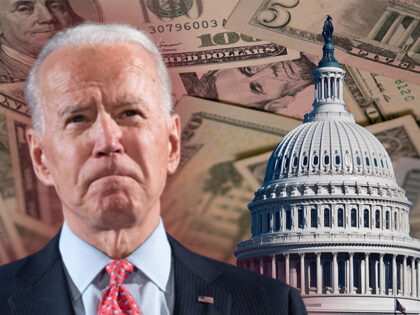
The Biden-Harris administration’s claim to be building prosperity “from the bottom up” is belied by the lagged and building wage effects of their open borders policy.

Labor costs are rising at a fast rate that indicates a resurgence of inflationary pressure.

An unexpected slump in productivity raises unit labor costs and risks higher inflation.

Corporate and government “addiction” to migration is damaging the productivity that raises personal incomes and overall national wealth, say economists cited in a report Monday by the Wall Street Journal.

An unexpected plunge in productivity in the first quarter suggests the economy is still struggling to find its footing.

The average annual productivity of the American worker fell 1.7 percent last year.

It was a very bad year for worker productivity.

Another set of economic figures come in much better than expected, hinting that the resilience of the economy may be underestimated.

Productivity—the measure of how much output in goods and services workers produce in an hour—rose in the third quarter for the first time this year.

On Thursday’s broadcast of the Fox Business Network’s “Mornings with Maria,” Professor of Economics at Harvard University and former International Monetary Fund Chief Economist Ken Rogoff stated that the output growth and labor force numbers show that “we’re in a

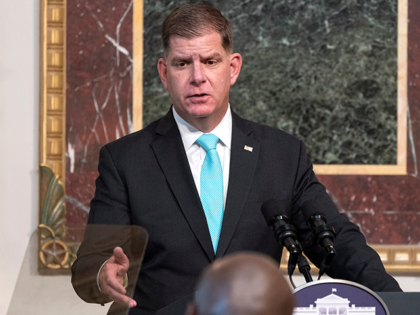
The Democratic Party’s pick for Secretary of Labor says CEOs are being victimized by a shortage of immigrant workers.

The biggest decline in records that go back to 1948.

A jobs report that would be wonderful in a low-inflation, high-growth environment is terrible in a high-inflation, low-growth economy.

A church in Mobile, Alabama, is helping youth within the local community learn how to take responsibility by understanding the importance of work.

Is productivity suffering because so many people are working from home or because so many people are returning to the office?

Labor costs moved much higher in the first three months of the year than previously thought.

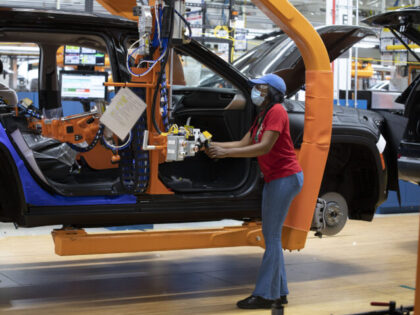
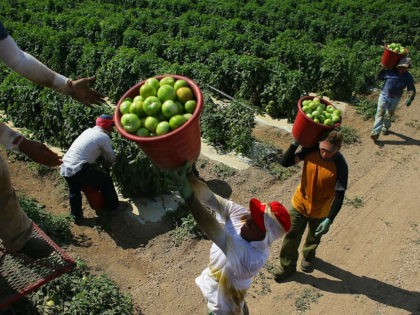
President Donald Trump’s low-migration policies have helped push U.S. farms to invest in a new generation of labor-saving, high-wage “revolutionary” farm robots, according to the New York Times.

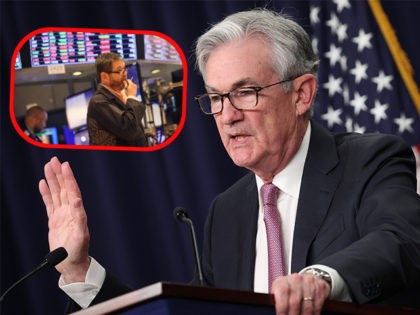
The faith of the followers of Fed Chairman Jerome Powell is fickle. Thursday’s massive stock sell-off completely erased all of Wednesday’s Powell-inspired gains and then some.

Unit labor costs, a measure of what businesses pay to produce a unit of output, jumped 11.6 percent.

Productivity made strong gains in the fourth-quarter but inflationary forces are still pushing up costs.

Labor costs are soaring by more than expected.

President Donald Trump’s tight labor market from 2017 to 2019 pulled many left-behind Americans into work and jobs, setting the stage for higher economic growth, says a report by JPMorgan.

Supply chain disruptions and labor scarcity drove productivity down much more than expected in the third quarter.

Real hourly compensation fell at an annualized rate of 4.6 percent in the first quarter.

The better-than-expected growth in compensation and productivity cast doubt on the necessity of the $1.9 trillion stimulus bill passed in March.

Manufacturing sector labor productivity increased at a 19.9 percent as the economy rebounded from the lockdowns

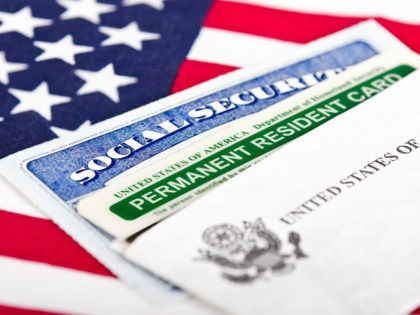
Mass immigration drains Social Security funding, despite a short-term sugar high, says a report by the Federation for American Immigration Reform.

Output fell less than employment in the second-quarter, pushing up productivity.

Joe Biden wants to import at least 125,000 refugees next year, so offering a huge inflow of cheap disposable labor to meatpackers, farm companies, retailers, and other low-wage, low-tech employers.

Low-wage migrant farm workers are spreading coronavirus through the southeast United States as they pick crops by hand, so the fix is more testing and medical care, not more labor-saving automation, according to the Washington Post.

The supply of extra workers doesn’t have much effect on wages, so the government should import the foreign workers demanded by investors, says a February 27 New York Times article, titled “Why a Top Trump Aide Said ‘We Are Desperate’ for More Immigrants.”

Lower migration is driving up blue-collar wages, and those extra wages are stabilizing the U.S. economy, admits the Economist magazine, which serves as a community newspaper for globalist elites.

The House judiciary committee will debate and vote Wednesday on a bill to award multiple amnesties to the agriculture industry’s large illegal-immigrant workforce.

President Donald Trump’s low-migration economy is forcing many companies to boost Americans’ productivity with better software, faster robots, and more machines, says a Reuters survey of company reports.

Wages are rising, pushing up the share of America’s output that goes to workers rather than investors.

Americans are getting higher wages and more labor-saving machines because companies cannot get enough immigrants, laments a pro-migration business reporter at the New York Times.
Rep. Ihlan Omar posted and deleted a tweet which said that any immigration system which favors highly skilled people would be motivated by racism towards Latinos.