Watch: Stanford University Microbots Able to Tow Nearly 2-Ton Car
An astonishing video shows a squad of Stanford University’s tiny µTug robots pulling the full weight of a car and driver.
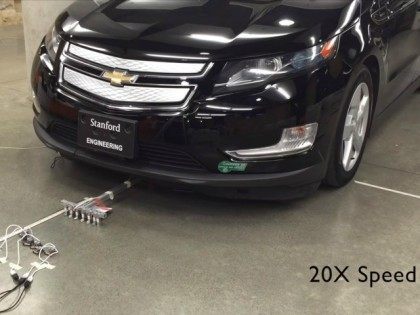
An astonishing video shows a squad of Stanford University’s tiny µTug robots pulling the full weight of a car and driver.
Oxford University researchers postulate roughly half of all American jobs are at risk of automation, and people are starting to believe it: the same study claims that two-thirds of American adults expect automated replacement of a majority of work currently executed by humans within the next fifty years.
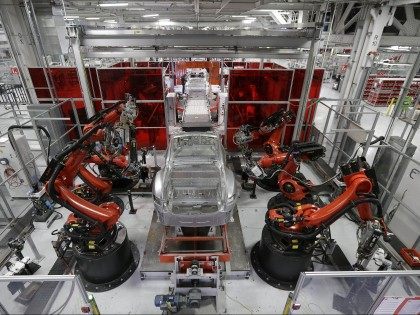
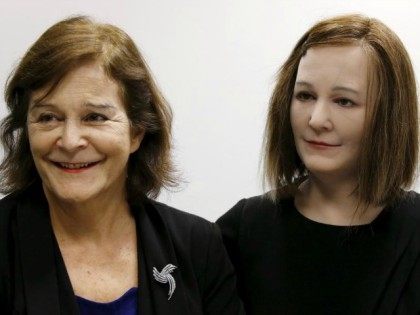
As amazing — and somewhat terrifying — robotic advances lead us toward the replacement of humans in the workforce, a university in Singapore is focusing on humanoids to help care for dementia patients.
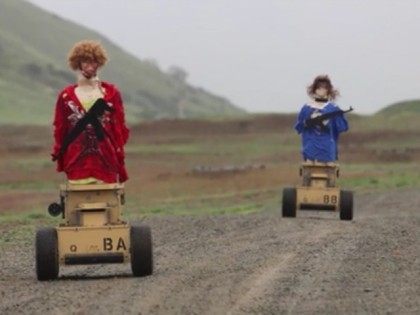
At Camp Pendleton, Marines are testing a new, cutting edge form of live-fire training using robotic targets.
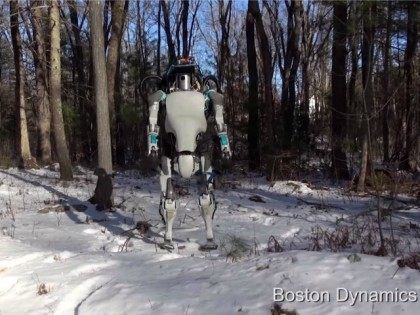
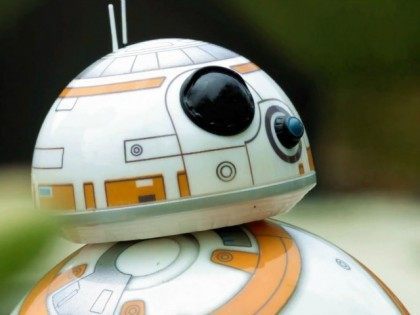
Boston Dynamics released footage of the latest version of their Atlas robot, and it’s mesmerizing.
There is no doubt left that the robots are coming. Along with the rise of a manufactured source of labor comes the question of benefit. While in the long term robots may take over the most mundane and dangerous occupations, the latest “Economic Report of the President” suggests a much more aggressive trend.
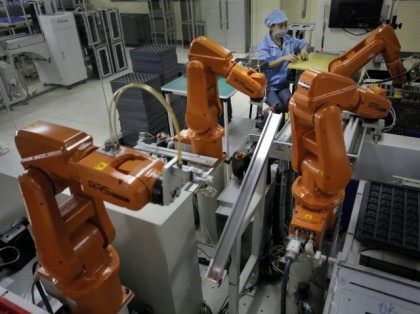
Robotics, once the almost exclusive purview of science fiction, is now approaching a point at which it will be capable of dramatic influence over humanity. These advancements are as much a lesson in caution as in the wonder of the human imagination.
Facebook founder and CEO Mark Zuckerberg’s New Year’s resolution is to create an artificial intelligence that can manage his household, help him run his company, and even keep an eye on his child.
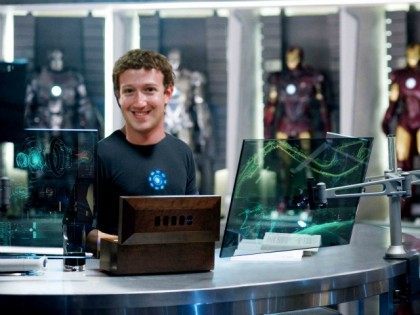
Science fiction has considered the question of artificial intelligence since the very beginning — what is the subject of Mary Shelley’s groundbreaking novel Frankenstein if not an artificial intelligence, made from organic parts instead of metal?
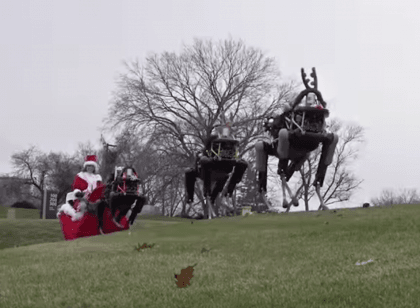
You better watch out, you better not cry… because these reindeer are painted stealth-black and almost certainly sport some sort of fear sensor. In a nod to holiday cheer, Boston Dynamics has released a video that may be slightly more horrifying
With the exception of Mrs. Clinton and her email scandal, few presidential candidates of either party have been moved during their campaigns to discuss technology at length. That changes today, as Donald Trump gives an exclusive interview to Breitbart Tech about hacking, cyber-warfare and artificial intelligence.
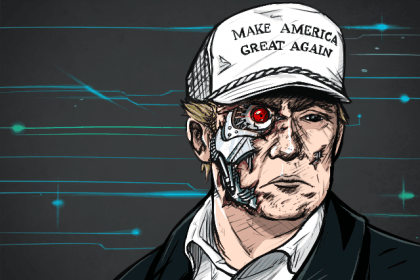
Technology’s advance is bringing us closer to the uncomfortable point at which organic and mechanical life begins to merge. That’s really what the growing ethical, legal, and practical conflicts in science boil down to.
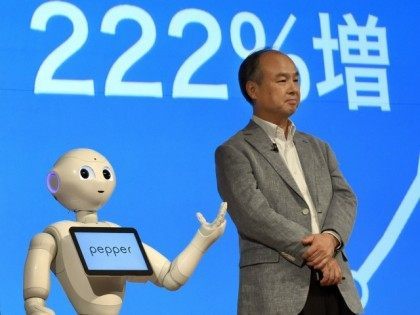
Sex with robots will be ‘the norm’ in 50 years, say experts. Men are considering the prospect with curiosity and a sense of humour. But academics and feminists are terrified and calling for them to be banned. Let me tell you why.

I may have just visited the most San Francisco-ish restaurant in the entire history of San Francisco: a tasty fast food quinoa eatery that will operated by robots.
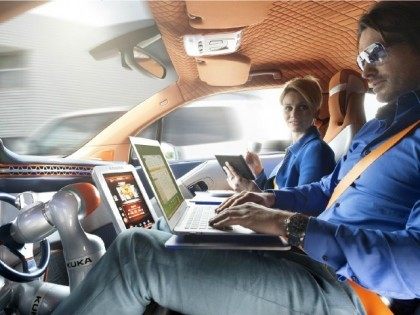
In a national poll, more than 1 in 4 Americans said they would support limits on humans driving cars in the near future, given the fact that robotic self-driving cars could be safer.
Tech magnate Elon Musk is part of a group of science and technology celebrities—which includes Microsoft’s Bill Gates and physicist Stephen Hawking—who believe the impending development of artificial intelligence poses a threat to human society and perhaps even human survival.
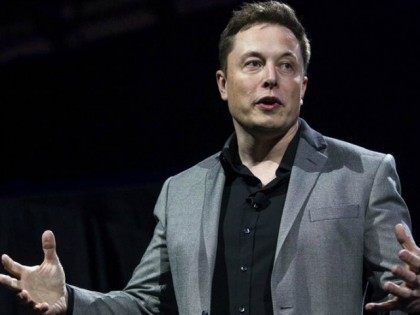
From Business Insider: One of the biggest things that keeps Elon Musk up at night doesn’t have anything to do with Tesla or SpaceX — in fact, it’s a fear that sounds like something from a science fiction film. In