EU Bans Imports of Russian Gas, But Gives Itself Two-Year Grace Period
The European Council has voted to ban Russian gas, but with so many exemptions, the energy will likely flow for years to come.
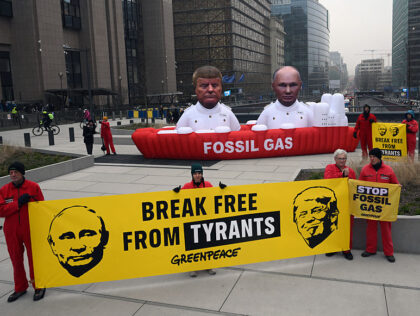
The European Council has voted to ban Russian gas, but with so many exemptions, the energy will likely flow for years to come.
Russia’s state-controlled Sputnik News reported on Wednesday that TVEL, a subsidiary of Russia’s state atomic energy corporation Rosatom, will supply two Chinese nuclear reactors with highly enriched uranium fuel for the next three years.
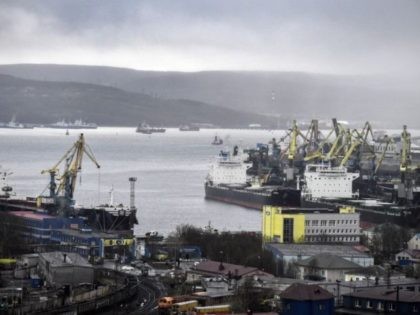
Russia’s Rosatom State Nuclear Energy Corporation suggested freight shippers should consider the Northern Sea Route as an “alternative” to Egypt’s Suez Canal on Thursday after a container ship blocked the canal and halted billions of dollars worth of trade this week.
The government of Rwanda approved a plan on Monday to build a center of nuclear science and technologies aimed at promoting economic growth, the Russian state atomic company Rosatom announced on Tuesday.

Russia’s Rosatom state nuclear energy corporation is inking deals with African nations for nuclear reactors, including some highly unstable governments and undeveloped nations that do not require the amount of electricity generated by the plants.
John Weaver, a staunch Never-Trump political operative, has pulled out of an agreement to lobby on behalf of a Russian state-owned nuclear energy company following blowback — with many critics noting his long history of claiming President Donald Trump is subservient to Vladimir Putin.
After one year, ten months and five days and the expenditure of millions of taxpayer dollars, Special Counsel Robert Mueller has submitted a report that concluded there was no evidence of Russian collusion by President Trump or anyone on his campaign team, nor is there any evidence to support obstruction of justice charges against the president.

In a missive sent to supporters, Hillary Clinton utilized what she claimed were “false accusations” and “baseless assaults” against the controversial Clinton Foundation in order to build up the foundation’s email list.
The FBI apparently ignored evidence of Russian involvement in the uranium market “when they approved the deal back in 2010,” said Peter Schweizer of the Committee on Foreign Investment in the United States’s (CFI) 2010 approval of the Russian government’s purchasing of a majority stake in Uranium One.
An FBI informant told three congressional committees in a written statement that Moscow routed millions to America with the expectation it would benefit Bill Clinton’s charitable efforts as then-Secretary of State pushed through a “reset” in U.S.-Russia relations, the Hill reported.
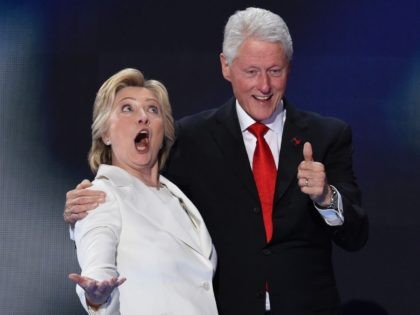
The DOJ failed to interview an undercover FBI informant in a Russian nuclear bribery case before filing criminal charges.
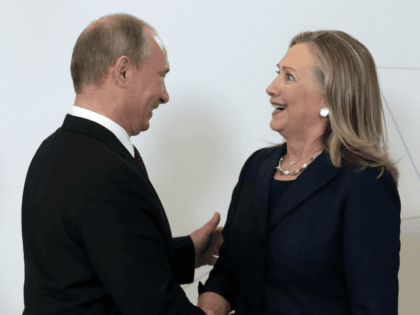
The Clinton Foundation’s disclosure site understates support that the Clinton Global Initiative took from a firm linked to the Russian energy giant that bought Uranium One.
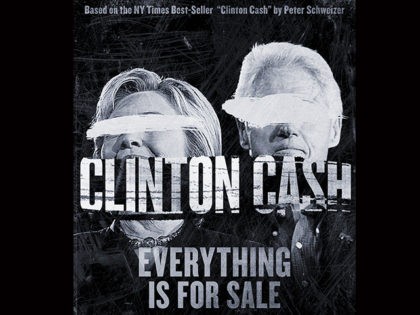
The Clinton Foundation “vastly understated support that the Clinton Global Initiative received from APCO Worldwide, a global communications firm that lobbied on behalf of Russia’s state-owned nuclear company,” John Solomon and Alison Spann report in the Hill.
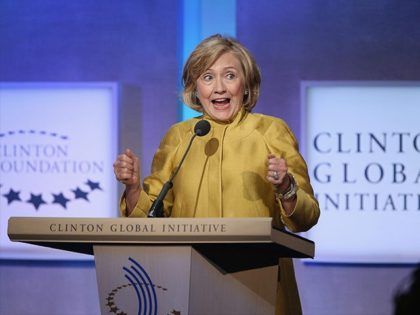
An FBI informant gathered extensive evidence during his six years undercover into the Russian plot to corner the American uranium market, which included the Uranium One deal the Obama administration approved in 2010, according more than 5,000 pages of documents reviewed by The Hill.
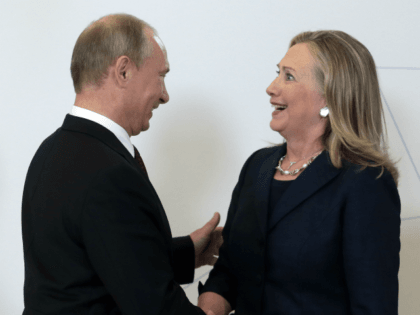
A witness for the Senate Republican probe into the Uranium One scandal identified himself Thursday as a former lobbyist for a Russian firm.
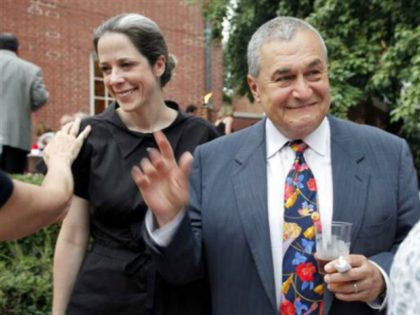
Democratic “power lobbyist” Tony Podesta is resigning from the Podesta Group, after coming under investigation by FBI Special Counsel Robert Mueller, Politico reported Monday.
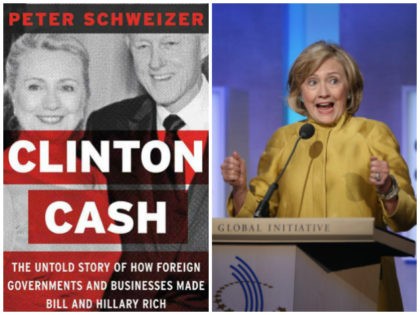
Peter Schweizer’s 2015 book “Clinton Cash” was sold out in paperback on Amazon Thursday amid renewed interest in the Uranium One scandal.
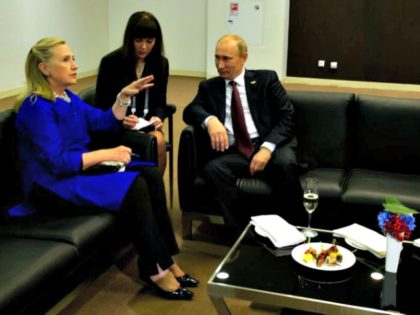
The Department of Justice cleared the FBI informant – who brought the Uranium One scandal roaring back into national headlines with his claim, through his lawyer, to have information about the Clinton Foundation’s role – to testify before Congress Wednesday night.
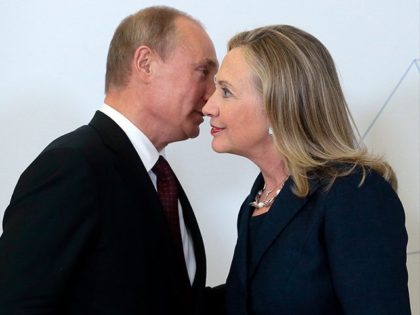
House Republicans announced a joint investigation into the sale of Uranium One to a Russian company under the Obama administration.
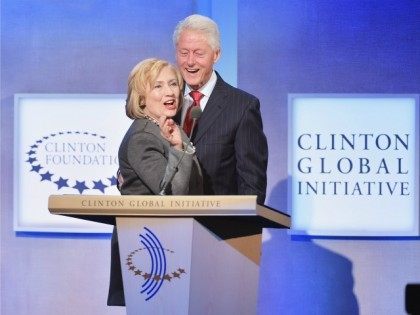
Hillary Clinton and the Obama administration are at the center of an explosive scandal involving the transfer of 20 percent of all U.S. uranium to Russia via the sale of the Uranium One company, as nine foreign investors funneled $145 million to the Clinton Foundation to grease the wheels.
Senate Judiciary Committee Chairman Chuck Grassley (R-IA) has asked the attorney of a former FBI informant if her client can testify before his committee about the FBI’s prior investigation into a bribery scheme by a Russian state controlled company that was allowed to purchase 20 percent of the United States uranium supply in 2010.

Victoria Toensing, founding partner of the DiGenova & Toensing law firm spoke with Breitbart News Daily SiriusXM host Alex Marlow on Thursday regarding a Hill report that her client, an FBI informant, was blocked by the Obama administration from telling Congress about the now expanding Russia nuclear corruption case.
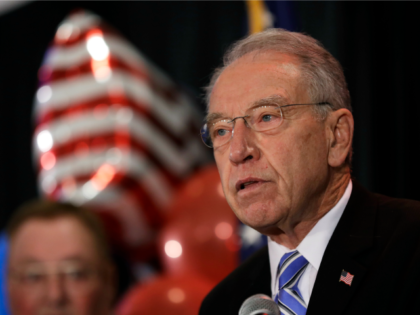
An American businessman who went undercover for the FBI was blocked during the Obama administration from telling Congress what he knew about Russia’s efforts to influence the Clintons’ and Obama administration decisions, according to a report.
The Democrats’ newfound paranoia about Russian influence on American affairs was certainly nowhere to be found when Hillary Clinton was cheerfully selling them a huge chunk of America’s uranium stockpile, right after a Russian bank paid Bill Clinton $500,000 for a speech.
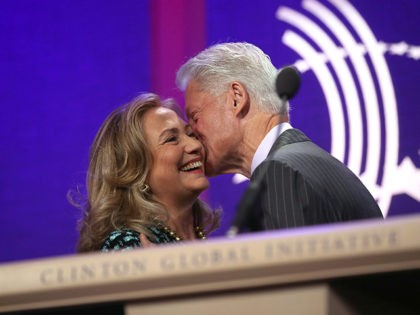
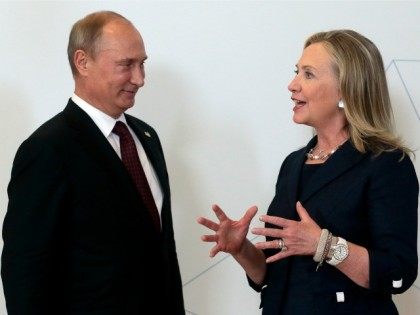
In a political debacle of her own creation, Clinton now finds herself in a position where, in order to prove that she was not beholden to Uranium One executives for donations made to the Clinton Foundation prior to the CFIUS approval of the sale of their business to a company owned by the Russian government, she is now beholden to the authoritarian leader of that same Russian government.
The speedy approval of the ARMZ-Uranium One transaction (CFIUS Case No. 10-40) raises the possibility that the deal may have received expedited treatment, though the management of Canadian based Uranium One stated in a Management Information Circular/Notice to Shareholders published August 6, 2010 and dated August 3, 2010 that “Uranium One and ARMZ intend to submit a joint voluntary notice with CFIUS during the first week of August 2010.”