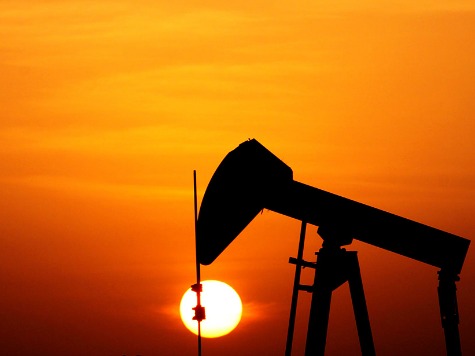


The turmoil in the Middle East, the Federal Reserve’s decision tofurther devalue the U.S. dollar through a third round of “quantitativeeasing” (QE3), and rising oil prices are combining to create a toxiceconomic brew that could send the global economy into recession.
That was the assessment of International Energy Agency chief economist FatihBirol. “I see the [oil] prices today, in this economic context, asunbearable for consumers,” saidBirol on Friday. “High prices together with other factors could push theglobal economy back into recession.”
Mr. Birol’s comments come as U.S. oil prices hit a four-monthhigh on Friday:
Since late June, the price of crude oil has climbed about 25 percent,fueling a 16-cent increase in the average price of regular gasoline and adding to theeconomic headwinds facing President Obama in the final weeks of the electioncampaign.
Industry experts believe that President Barack Obama may use the Middle Eastuprisings and soaring fuel costs to justify tapping the nation’s700 million-barrel emergency Strategic Petroleum Reserve, similar to whatMr. Obama did last year to no lasting effect.
But it was the Federal Reserve’s decision to pump $40 billion so-calledbuying mortgage-backed securities that ultimately may prove to be the matchthat lit the economic powder keg. As the value of theU.S. dollar goes down, oil prices go up. That means slower economicgrowth and higher consumer prices.
As Reuters explains, theconfluence of all these economic factors is producing a chain reaction ofhigher consumer prices, plunging industrial production, and soaring gas prices:
Highlighting the risk to the economy from surging oil prices, a jump ingasoline costs pushed up U.S. consumer prices in August at the fastest pace inmore than three years and squeezed spending on other items, threatening to sloweconomic growth.
Industrial production dropped 1.2percent in August, the biggest decline since March 2009. The consumer priceindex increased 0.6 percent, the first rise in five months and the biggestsince June 2009.
Gasoline prices, which alsorecorded their largest increase since June 2009, accounted for about 80 percentof the rise in consumer inflation last month, the Labor Department said.
Whether Mr. Obama can duct tape the looming economiccollapse long enough to win reelection remains to be seen.
However, insome ways, Mr. Obama should be claiming credit. As ObamaEnergy Secretary Steven Chu told the WallStreet Journal back in 2008, the goal all along has been to explodeU.S. gas prices to the $6 to $8 a gallon prices found in Europe. “Somehowwe have to figure out how to boost the price of gasoline to the levels inEurope,” Mr. Chu said.
Through its mismanagement of the Middle East crisis and endlessrounds of “quantitative easing” (and the concomitant currencydevaluation such “stimulus” brings), the Obama Administration has almost reached its goal of European-style gas prices.
On Friday, a gallon of regular gas in the Bronx cost nearly $5a gallon.
COMMENTS
Please let us know if you're having issues with commenting.