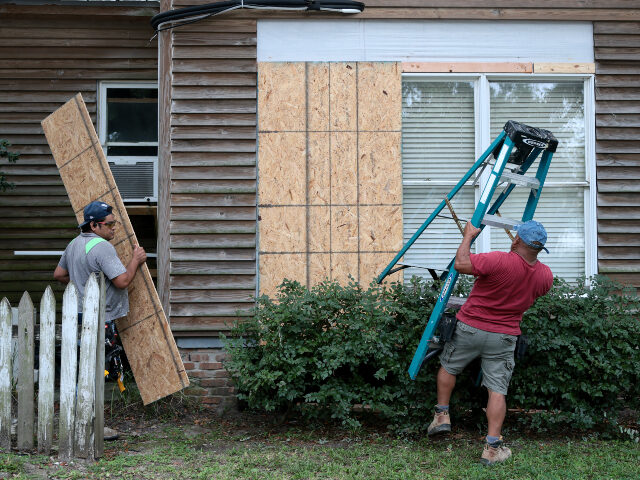

The National Hurricane Center is warning that parts of the gulf coast could be in for a six-to-nine-foot storm surge from hurricane Isaias above normally dry ground between the Alabama and Florida border and west to Grayton Beach in the Sunshine State.
That news comes from the center Friday morning as it updated its forecast for Isaias to a Category Three storm bringing winds up to 100 miles an hour.
The system’s outer rainbands are already pushing onshore, Fox Weather reported.
According that outlet:
These rainbands are capable of dumping extreme amounts of moisture over the same areas repeatedly, leading forecasters to warn that localized rain totals could approach nearly a foot of rain in the hardest-hit spots. Residents are urged to avoid travel along affected corridors, as these sudden deluge periods can rapidly fill low-lying roads and trigger dangerous flash flooding within minutes.
In deep water, Fox weather reported, a hurricane’s powerful winds simply push surface water downward, “allowing the ocean column to disperse energy vertically without building height.”
But when winds hit the shallow shelf of the Gulf of America, the ocean floor stops water from flowing downward. It has nowhere to go but up and inland.
The Hurricane Center also issued a two-to-four foot storm surge watch for an area along the western side of Florida between the Suwannee River to Yankeetown.
The bulletin stated:
The deepest water will occur along the immediate coast in areas of onshore winds, where the surge will be accompanied by large and dangerous waves. Surge-related flooding depends on the relative timing of the surge and the tidal cycle, and can vary greatly over short distances. For information specific to your area, please see products issued by your local National Weather Service forecast office.
Hurricane conditions are expected tonight into early Saturday, with Isaias also expected to produce rainfall amounts of four to eight inches across Southern Alabama, the Florida Panhandle and Southwest Georgia, according to the center.
“Localized totals up to 15 inches are possible, particularly within banding across the Florida Panhandle and Big Bend,” the center reported.
Breitbart contributor Lowell Cauffiel is the best-selling author of the Los Angeles crime novel Below the Line and nine other crime novels and nonfiction titles. See lowellcauffiel.com for more.
COMMENTS
Please let us know if you're having issues with commenting.