Mosquito-Borne Virus that Triggered Restrictions in China Found in U.S.
A mosquito-borne virus that triggered restrictions in China has been found in the United States.

A mosquito-borne virus that triggered restrictions in China has been found in the United States.

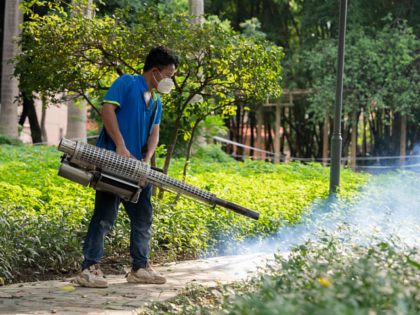
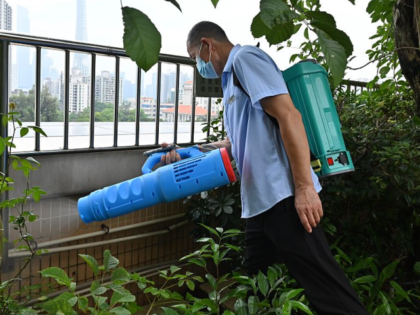
The Chinese Foreign Ministry insisted on Thursday that an escalating outbreak of Chikungunya, a viral disease carried by mosquitoes, in southern Guangdong province was “under control” and the Communist Party was adequately keeping the World Health Organization (W.H.O.) updated on the situation.

Chinese health officials are struggling to contain an outbreak of the chikungunya virus (CHIKV), a mosquito-borne infection that causes severe pain in the muscles and joints of its victims.

The mosquitos that can carry the Zika virus have reportedly appeared in 129 California cities. With cold winter weather the only major obstacle to the Zika virus becoming America’s first pandemic since the 1957 Asian Flu, ground zero for a potential pandemic is now the West Coast.

While the World Health Organization (WHO) declared the global Zika outbreak no longer an emergency this week, officials in Brazil fear that the incoming spring season will provide a boost to the nation’s mosquito population, and the government will be ill-prepared to stop a second wave of Zika.

The Jamaican Ministry of Health is using dancehall reggae to warn its citizens to exercise extra caution to avoid creating potential breeding grounds for mosquitoes as the Zika virus pandemic sweeping South America threatens to travel north to the Caribbean.

The responsibility for protecting our communities in Texas from the Zika virus is local and municipal, say mosquito experts. The problem is that poorer areas do not have the expertise or the manpower because of their low tax base. Texas counties without formal mosquito districts or like services are ill-equipped to address Zika virus concerns.

Aggressive tropical mosquitos–a breed that can carry the Zika virus–have been found in Orange County, California. The invasive species–which can also carry yellow fever, dengue fever and chinungunya–could pose a risk to the public.

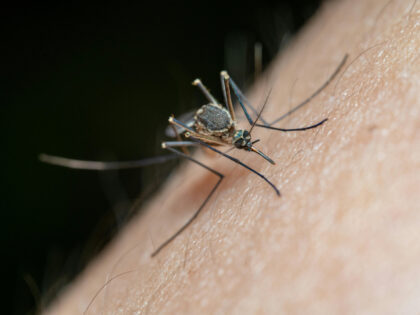
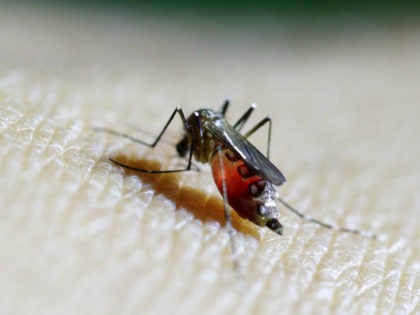
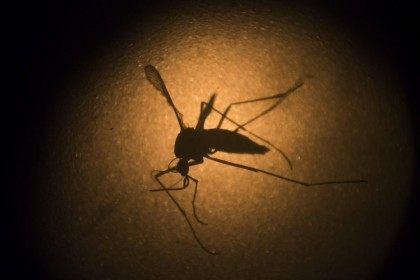
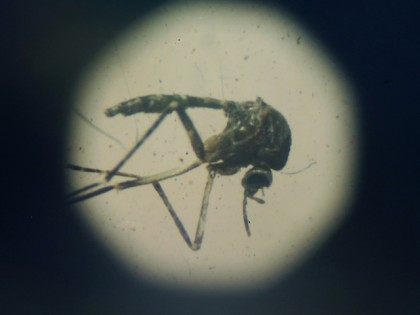
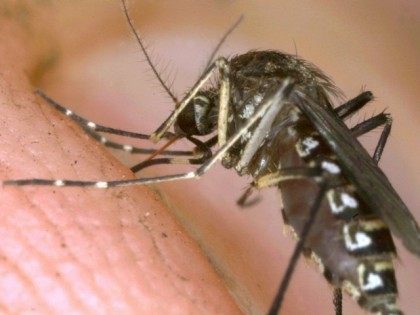
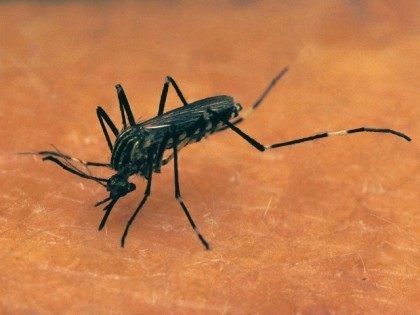
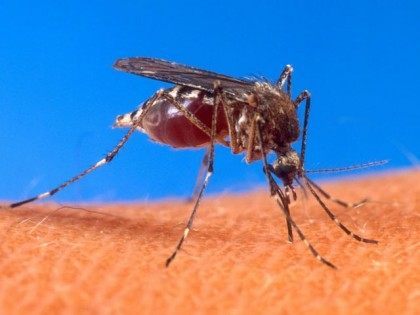
Meet the Aedes aegypti, a tiny blood-sucking mosquito that is causing panic worldwide for its ability to transmit the Zika virus and a host of other diseases that have recently surfaced in the U.S.

The first case of Zika virus was confirmed in Los Angles County on Tuesday within days of a warning from the Pan American Health Organization (PAHO) that predicted the spread of the virus throughout the Americas.

Health authorities in Brazil are warning couples to delay pregnancies as they treat thousands of cases of infant brain damage experts believe could be linked to the rare African Zika virus. Some suggest the virus made its appearance in Brazil through the high influx of tourists following the 2014 World Cup.

California health officials are concerned over the arrival of nonnative mosquitos that are known to carry deadly diseases and that are quickly spreading across the southern part of the Golden State.

The first human case of Chikungunya (pronounced chik-un-gun-ya) has been confirmed in Collin County, Texas, located just northeast of Dallas. The infected individual recently traveled to another country and returned to the states with the virus. The risk of spread to Americans is from the virus being imported by travelers. Collin County is part of the Dallas-Fort Worth-Arlington, Texas, statistical area.

Two major public health groups in Venezuela are warning that President Nicolas Maduro’s socialist government is ignoring a surge in cases of the crippling chikungunya virus that could lead to a “humanitarian crisis” in the increasingly impoverished OPEC nation.

Chikungunya, a virus hailing from Africa and spreading rapidly in the Caribbean and South America earlier this year, may have just become an even bigger problem for Brazil, just as that nation’s summer is set to begin.

Actress Lindsey Lohan was looking to catch some rest while vacationing in the French Polynesian, but instead caught something else; a virus called Chikungunya.