Facebook Clamps Down on Political Advertising Ahead of 2020 Election
Facebook is reportedly clamping down with rules relating to political ads in the United States ahead of the 2020 presidential election.
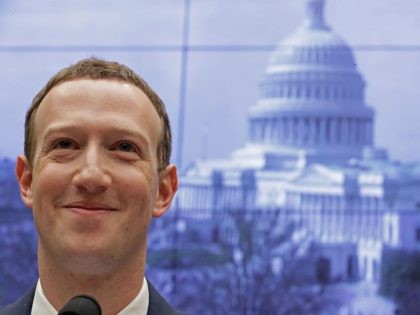
Facebook is reportedly clamping down with rules relating to political ads in the United States ahead of the 2020 presidential election.
A recent report from the New York Times alleges that Facebook’s ad library, designed to increase transparency and fight disinformation, is so flawed, it has become effectively useless as a method by which to track political messaging.
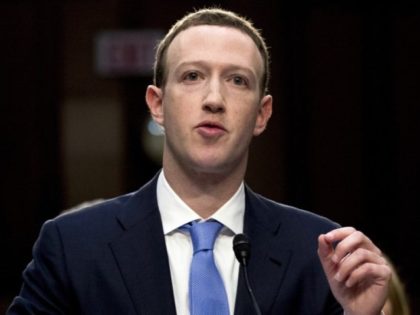
Facebook is sticking to its November decision to exempt news publishers from its political ads database, drawing criticism for making deference to the mainstream media more important than its stated commitment to transparency.
Facebook is changing its political advertising rules to ban parties and campaigns from advertising in countries where they do not have a representative.
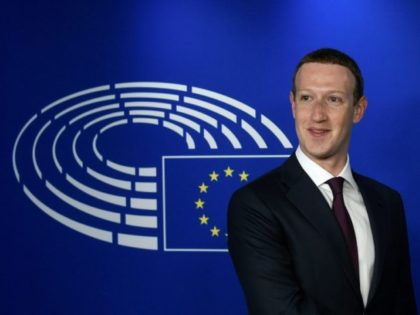
Facebook recently stated that the company plans to tighten rules around political advertisements on the social media platform ahead of E.U. elections this Spring.
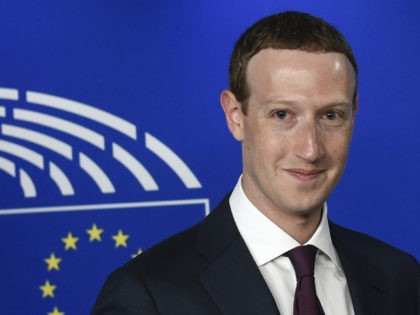
In an article recently published by New York Magazine titled “Facebook Stopped Russia. Is That Enough?” the magazine looks into Facebook’s latest efforts to prevent election interference on its platform.
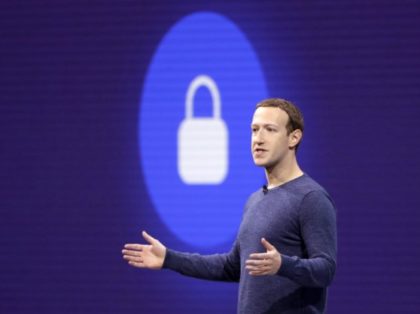
Facebook has delayed its requirement for political advertisement purchasers to prove their identity, after users managed to cheat the system — purchasing ads indicating they were “paid for by” Mike Pence, U.S. Senators, and even ISIS — according to a report.
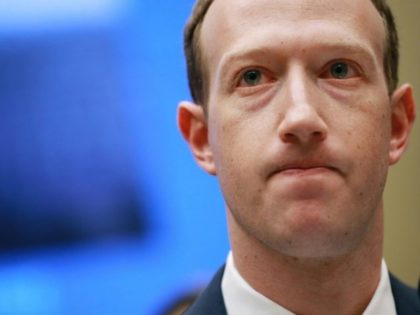
As the November midterms draw to a close, the clear winners in the race are the social media Masters of the Universe who have generated millions of dollars from online political advertising. Digital advertising reportedly reached 25 times that of the last non-presidential election in 2014.
Public databases launched by Facebook and Google before the midterm elections provide insight into how quickly the firms remove political advertisements that they believe break their platform’s rules.
Facebook has blocked a number of political ads from Republicans ahead of the November midterm elections. Here are the ads blacklisted by the social media platform.
Vice News received approval to publish Facebook ads in the names of every U.S. senator in a further illustration of the weakness of the social media giants “paid for” attribution system for political ads.
A recent report shows that Facebook’s new political advertising system allows users to attach a “Paid for” disclosure to an ad in the name of any politician, political group or even terrorist group without full verification by Facebook.
Family Research Council PAC ads target Democrats McCready, Bredesen, McCaskill for Using mob tactics to oppose Trump and his supporters.
Social media platform Twitter has released a new set of policies for “issue ads” which include political ads and advertisements that attempt to influence legislation. The company says news publishers that meet “specific criteria” will be able to apply for an “exemption” from the policy.
The New York Times reported this week that fake ads on Facebook may be having an impact on a congressional primary race in California.
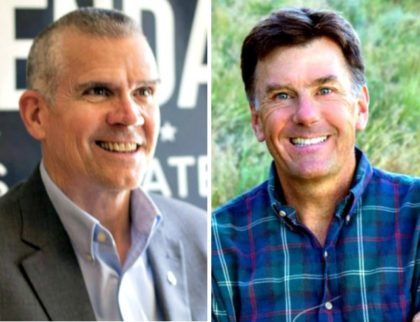
A local MT TV station refused to air a “blatantly false” attack ad on Sunday which attacked state auditor Matt Rosendale.
Failing to properly disclose native political ads could cause BuzzFeed to run afoul of the FEC and FTC.