App Company Mobilewalla Traced Thousands of Protesters Without Their Knowledge
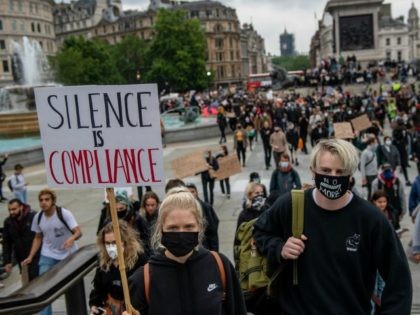
As many as 17,000 people attending protests across the country following the death of George Floyd had no idea that they were being traced by a Singaporean tech company.

As many as 17,000 people attending protests across the country following the death of George Floyd had no idea that they were being traced by a Singaporean tech company.

Over one million students that have used the OneClass e-learning platform may have had their personal data breached. A report published on Thursday suggests that the popular educational platform experienced a significant data breach this week, creating a “goldmine for criminal hackers.”

Boston has joined cities such as San Francisco, Oakland, and Cambridge in passing an ordinance to ban government use of facial recognition technology. Boston City Councilor Michelle Wu commented: “Boston should not be using racially discriminatory technology and technology that threatens our basic rights.”

Google has promised to change the default settings on its services to store less user browser history and location data on its servers. The default setting will only apply to new users — existing users will need to change the settings themselves.

A recent report from Reuters alleges that a newly discovered and massive spyware effort attacked users of the Google Chrome web browser through browser extensions downloaded 32 million times. According to security expert Ben Johnson, “Anything that gets you into somebody’s browser or email or other sensitive areas would be a target for national espionage as well as organized crime.”

Six former eBay executives and employees are currently facing federal charges for allegedly cyberstalking a couple that was critical of the company in an online e-commerce newsletter. The eBay team’s campaign of terror included sending a bloody mask, live cockroaches, and a funeral wreath to their targets, after a senior executive at the company allegedly said it was time to “take down” the editors. One text message said the team’s goal was to “crush this lady.”

Multiple States across the country are reportedly walking back promises to use contact tracing systems developed by Silicon Valley tech firms such as Google and Apple.

U.S. based video conferencing app Zoom is reportedly adding a new feature to its app that will help Beijing target Chinese users. Despite making censorship even easier for the communist regime, the company released a statement stating, “We hope that one day, governments who build barriers to disconnect their people from the world and each other will recognize that they are acting against their own interests, as well as the rights of their citizens and all humanity.”

Google is facing a $5 billion class-action lawsuit over allegations that the internet giant invaded the privacy of millions of users by tracking their internet usage through Chrome browsers that were set to private or “incognito” mode.

Conservative journalist Cassandra Fairbanks reported on Monday morning that assailants showed up to her home and began firing off guns and fireworks in the middle of the night. Fairbanks noted that her home address was posted online last week, leading to hundreds of death threats.

Social media giant Twitter and the “front page of the Internet” Reddit have reportedly filed supporting evidence in a lawsuit against the United States government which challenges a requirement for visa applicants to provide their social media identities. According to the two companies, requiring a visa applicant to provide their social media accounts to the government “violates the First Amendment rights to speak anonymously and associate privately.”

Arizona’s attorney general has reportedly filed a lawsuit against Google accusing the firm of illegally collecting smartphone users’ location data. According to Attorney General Mark Brnovich, “It’s nearly impossible to stop Google from tracking your movements without your knowledge or consent.”

When the Wuhan coronavirus pandemic hit its peak, the Chinese government was quick to make use of smartphones to track citizens’ movements and isolate those who might be infected. Now, privacy experts are warning that these surveillance measures may stay in place once the pandemic has ended. One communist party official claims that Chinese people want to be surveilled, saying the app is “loved so much that you cannot bear to part with it.”

Progressive activists are using cellphone location data to track the movements of anti-lockdown protesters, and are passing on that data to left-wing journalists.

A group of privacy organizations say that TikTok is in violation of a law that protects children’s privacy on the Internet, as well as an FTC consent decree.

Robot dogs named “Spot” have reportedly been dispatched to parks in Singapore to remind citizens of safe social distancing measures.

Video-conferencing company Zoom has reportedly struck a deal with New York Attorney General Letitia James this week closing an inquiry into the app’s security problems.

Google-affiliated company Sidewalk Labs has reportedly abandoned its plan to build a high-tech “smart town” on Toronto’s waterfront due to “unprecedented economic uncertainty.” The project had already faced controversy around the tech giant’s data collection plans, with the Canadian Civil Liberties Association called it a “data surveillance test bed.”

A change in Facebook’s software development kit this week caused widespread crashes for multiple popular iPhone apps including TikTok, Spotify, Pinterest, and Venmo, show just how deeply Facebook has integrated itself into the other apps found on the phones of millions of Americans.

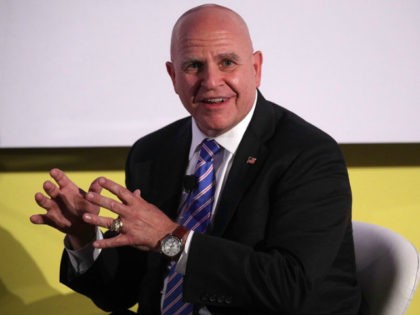
Retired Lieutenant General H.R. McMaster, the former National Security Adviser to President Donald Trump, has joined the board of Zoom, the video conferencing platform that has been plagued by security issues and concerns about communist China.

According to a recent report, adult cam website Cam4.com left almost seven terabytes of private data exposed on the internet. The massive leak contained nearly 11 billion records including payment history, email and conversation logs, and IP addresses.

Apple and Google have reportedly claimed that they will ban the use of location tracking in apps using the new contact tracing system being developed by the two tech giants that they say will help slow the spread of the Chinese virus.

According to a recent report, Tesla components containing the previous owners’ personal information are appearing for sale online.

A recent report from cybersecurity researchers claims that Chinese electronics maker Xiaomi is spying on users’ web and phone use using “backdoor” technology built into the company’s smartphones, which run Google’s Android OS.

Facial recognition firm Clearview AI, which has come under fire for scraping social media sites such as Facebook to create a facial recognition library, now reportedly plans to work with the government on Chinese virus contact tracing.

Less than a month after launch, the mobile-only streaming platform Quibi has discovered that its email verification process for new accounts leaked data to multiple third-party advertising and analytics companies, including Facebook and Google.

Video-conferencing app Zoom has admitted that it doesn’t have 300 million daily active users, as it has previously claimed.

Social media start-up Parler is once again punching above its weight class, saying that Facebook ought to pay more than the $5 billion fine recently approved by a federal judge for the company’s violations of user privacy.

Video conferencing service Zoom has reportedly reached 300 million users despite its growing number of security and privacy issues. The company’s userbase has surged 50% in just the last month based on the economy and education system relying on the service.

A recent report claims that as many as 25,000 email addresses and passwords allegedly belonging to the NIH, the W.H.O., the Gates Foundation, and other groups have been leaked online.

Video conferencing software Zoom has faced criticism in recent weeks for its vulnerability to “Zoom bombing” in which people connect to private calls to generally cause mayhem. Here are four key steps you can take to prevent the disruption of meetings whether for work or school.

A recent report from The New York Times reveals that file-hosting service Dropbox privately paid hackers to find bugs in the software of video conferencing firm Zoom and then pressured the company to fix them. It reportedly took more than three months for Zoom to fix one of the security lapses identified by Dropbox.

The source code of controversial facial recognition tech startup Clearview AI has reportedly been exposed due to a lapse in security measures.

The ACLU criticized a new tracking feature designed by Apple and Google to limit the spread of the Chinese virus. The feature uses BlueTooth technology to track a smartphone user’s distance from other users that have tested positive for the Wuhan coronavirus.

According to a recent report, hackers are selling two critical vulnerabilities for the video conferencing software Zoom that could allow people to gain access to private accounts and spy on calls. The price for an exploit that would allow a hacker to take control of a Zoom user’s computer is reportedly $500,000.

Standard Chartered is reportedly the first major global bank to instruct employees not to use the Zoom video conferencing app or Google Hangouts during the Wuhan coronavirus pandemic due to cybersecurity concerns.

A recent report claims that the login details for over 500,000 Zoom accounts have been shared or sold on hacker forums and the dark web.

Tech giants Apple and Google, which together have near total control of the smartphone market, promise that only public health authorities will be able to access the companies’ new contact-tracing technology and governments will not be allowed to force people to use the technology.

According to a recent report from Time, U.S. Intel Officials believe that foreign spies are targeting video chatting platforms such as Zoom to spy on business executives, government officials, and scientists using the apps during the Wuhan coronavirus pandemic.

Apple and Google, who together control over 99 percent of the global smartphone operating system market, are joining forces to track contact between carriers of the Chinese virus and other individuals, using smartphone location data.