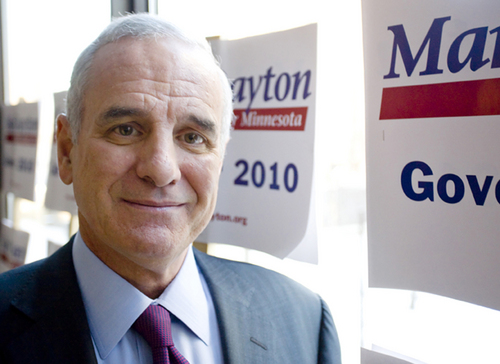


Minnesota Gov. Mark Dayton campaigned in 2010 on not increasing cigarette taxes, which he decried as “regressive” in a gubernatorial debate.
But facing budget challenges, Dayton has now flip-flopped and is advocating a 94 cent per pack cigarette tax increase.
According to Dayton, the move is mainly designed to force reductions in smoking by Minnesotans. However, he is also banking on the increase adding $370 million over the next two years to the state coffers.
Critics charge that figure is unrealistic, and that while the increase will hammer the poor, it will also fail to deliver the revenue projected or substantially curb smoking as smokers will simply switch to cigarettes illicitly purchased and imported into the state from neighboring North Dakota.
Last year, a study conducted by RTI International’s Public Health Policy Research Program demonstrated that low-income smokers spend about 14 percent of their household income on cigarettes already.
Furthermore, according to the National Taxpayers Union, since Minnesota raised its cigarette tax by 75 cents per pack in 2005, the state has netted only an additional $4 million per year, as opposed to the $174 million per year then predicted.
According to one expert testifying at a House Taxes Committee hearing last week, one reason revenue targets might not be met is that while post-tax hike, Minnesota’s cigarette tax would sit at $2.17 per pack, neighboring North Dakota taxes a pack at a mere 44 cents. That means that a bootlegger smuggling cigarettes from North Dakota to Minnesota for illicit sale there could evade $700 in taxes on a U-Haul truck sized shipment.
According to a recent Tax Foundation analysis, Minnesota ranks 16th highest in the nation for the percentage of smuggled cigarettes consumed.
Debate on the proposed tax increase, together with other proposed tax increases, is expected to continue.
COMMENTS
Please let us know if you're having issues with commenting.