Job Openings Slide to 7.2 Million, Slightly Below Expectations
Manufacturing and construction bucked the trend with strong rises in openings.


Manufacturing and construction bucked the trend with strong rises in openings.
Countries pursue mercantilist policies not because they’re naturally better at producing certain goods, but because they want to maintain consumption deficits while America absorbs their excess production.

U.S. manufacturing activity picked up sharply in August, according to a pair of surveys released Tuesday, offering mixed but cautiously encouraging signals for the industrial economy as new orders returned to growth and output surged.

The privater sector has added nearly 500,000 jobs while government payrolls are shrinking.
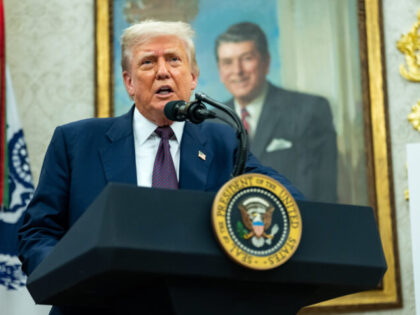
This week saw a series of unprecedented events that may signal the end of the form of central bank independence as we have known it for more than a century.
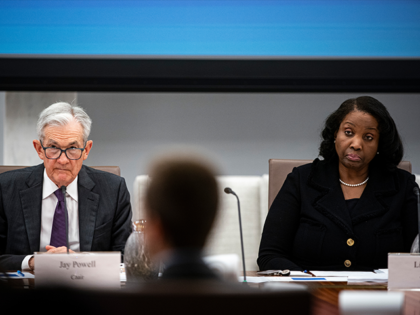
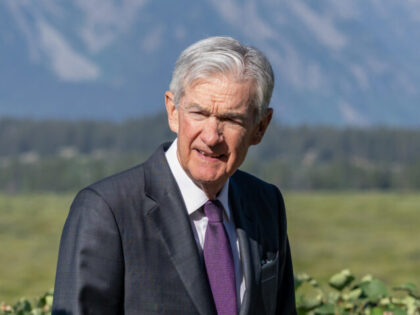
Inflation held steady in July, with the Federal Reserve’s preferred price gauge showing a slight deceleration in cost pressures and defying predictions from Fed Chairman Jerome Powell that tariffs would push up consumer prices.
Lisa Cook, who was confirmed as a Governor of the Federal Reserve in 2022, wants a federal judge to do something no court has attempted in the Fed’s 112-year history: define what “for cause” means when a president tries to fire a Fed governor.
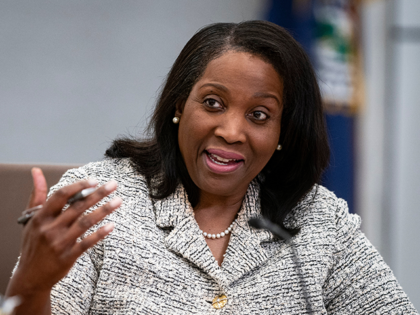
Lisa Cook sued President Trump on Thursday, challenging his attempt to fire her from her seat on the Federal Reserve’s board of governors, in a legal battle that could reshape the relationship between the White House and the nation’s central

Gross domestic product rose at a 3.3 percent annualized rate in the second quarter, up from the Commerce Department’s initial 3.0 percent estimate and above the 3.1 percent pace economists had forecast.
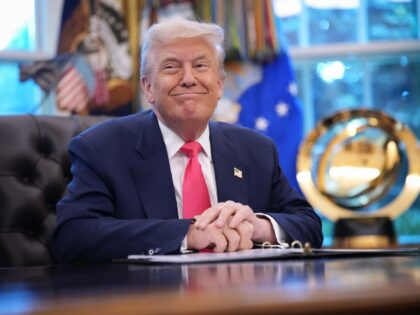
Measured against the history, the text, and the institutional logic, the legal ground in the Lisa Cook dispute tilts toward presidential discretion, not judicial oversight of central bank staffing.
The Federal Reserve issued its first response Wednesday to President Trump’s attempt to remove Gov. Lisa Cook, stopping short of backing her planned court challenge or directly criticizing the president’s action.
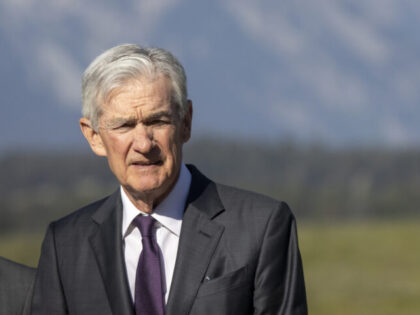
When President Donald J. Trump moved to fire Federal Reserve governor Lisa D. Cook this week, he touched off an immediate debate about what the law means when it says a Fed governor can be removed only “for cause.” Supporters
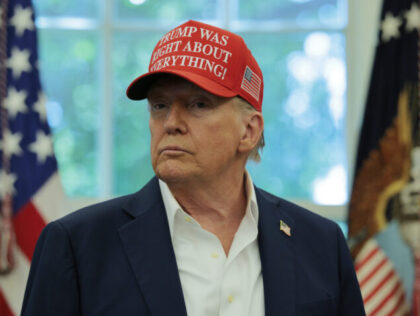
Federal Reserve Governor Lisa Cook’s attempt to overturn her removal faces long odds.
Consumers reported better assessments of current business conditions and a modestly improved outlook for the next six months. Both measures rose in August, suggesting households see momentum outside the labor market.

A key gauge of U.S. business investment rose at the fastest pace in several months in July, underscoring steady demand for equipment.
The Trump administration’s decision to take a ten percent stake in Intel is not socialism. It’s a financing innovation designed to overcome Wall Street’s allergy to capital investment.

Sales of new single-family homes slipped in July but still beat expectations, as lower prices and builder incentives helped offset high borrowing costs. The Commerce Department reported a seasonally adjusted annual rate of 652,000, down 0.6 percent from June and

Harvard economist Claudia Goldin opened the Fed’s Jackson Hole symposium with a paper linking low fertility in advanced economies to men who don’t do their share of housework.

There will be no trade war because our allies are giving in to Trump’s trade policies.
The Federal Reserve on Friday discarded a central element of the framework it adopted five years ago, formally abandoning a strategy that sought to allow inflation to run modestly above its two percent target in certain circumstances.
Fed chairman Jerome Powell signaled on Friday that the central bank could be ready to cut interest rates as soon as next month.
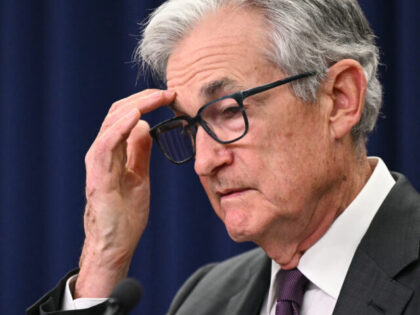
America’s factories are humming, demand is solid, and prices are rising alongside precautionary inventories. The Fed’s theory inflation “lag theory” doesn’t explain this.
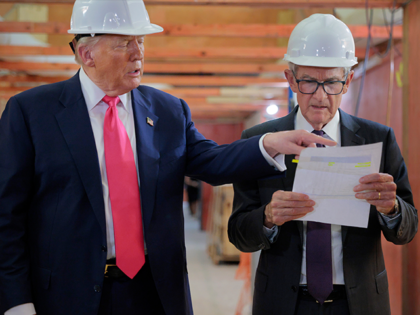
U.S. manufacturing expanded in August at the fastest pace in more than three years, lifting overall business activity to its strongest level of 2025, according to S&P Global’s flash purchasing managers indexes.
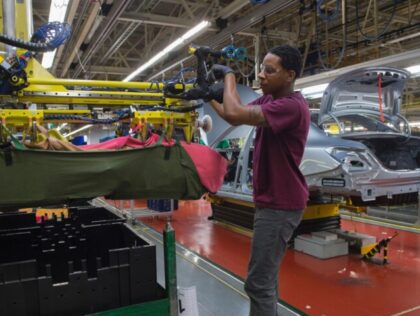
By the time Federal Reserve Chairman Jerome Powell climbs the stage at Jackson Hole this Friday, the familiar choreography will be missing one element: consensus.
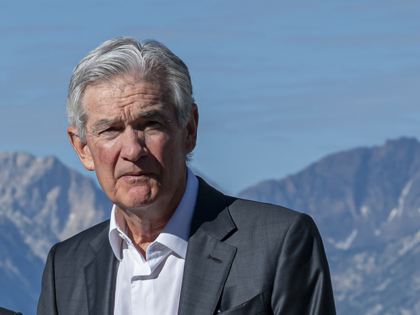
Federal Reserve Governor Christopher Waller on Wednesday laid out a pro-market vision for modernizing U.S. payments that echoes the Trump administration’s call to “re-privatize” the economy.
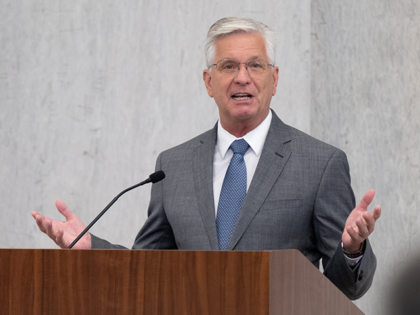
President Donald Trump could potentially gain a new ally on the Federal Reserve if allegations of potential mortgage fraud force Federal Reserve Governor Lisa Cook to resign. Trump on Wednesday urged Federal Reserve Governor Lisa Cook to resign after Federal
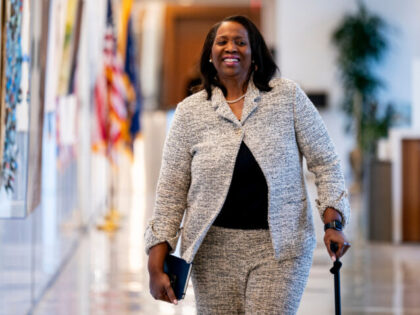
A new working paper asks what would have happened if the country had heeded Pat Buchanan’s warnings about unchecked globalization and adopted his trade policies sooner.
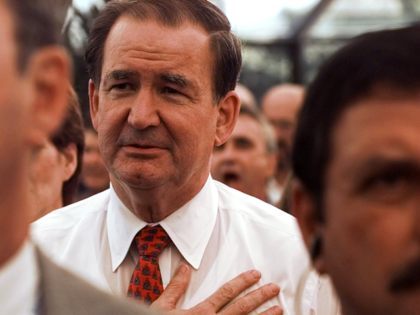
President Donald Trump’s tariff policy is about a lot more than raising import duties. This is the new “deal economy”—less about rates, more about commitments.
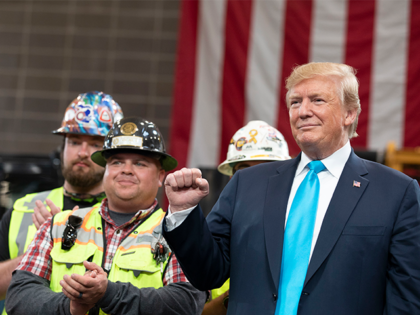
Economics has always wrestled with the limits of what can be known. The recent disproof of a famous mathematical conjecture has made those limits even sharper.
When, if ever, should a country impose tariffs? A working paper by economists Oleg Itskhoki and Dmitry Mukhin provides an answer that is both surprising and vindicating of the Trump administration’s trade agenda.
The legal case for Trump’s use of tariffs under IEEPA isn’t some novelty. It’s an originalist argument grounded in history, precedent, and the plain structure of constitutional power.

A new academic paper, published by three trade economists using microdata from China, shows that tariffs don’t have to raise prices. Sometimes, they bring them down.

President Donald Trump this week said he is planning to impose a 100 percent tariff on imported computer chips unless manufacturers are also investing in U.S. production.
President Donald Trump has selected Stephen Miran, chairman of the White House Council of Economic Advisers, to fill a vacant seat on the Federal Reserve Board, nominating a longtime ally and critic of recent central bank policy to serve out the remainder of an expiring term.
The central bank’s future may hinge on a forgotten legal quirk—and a historical echo from 1948.
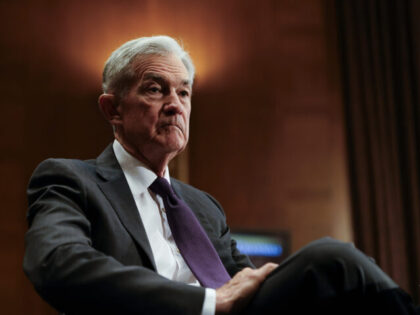
The Fed needs someone at the helm who understands how growth happens, where policy fails, and why incentives matter more than slogans. That’s Scott Bessent.
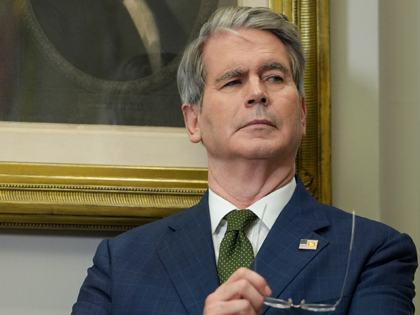
Donald Trump’s advisers are divided over how to fill an upcoming vacancy on the Federal Reserve Board, with some pushing for a short‑term appointee and others urging the president to seat a credible successor to Fed Chair Jerome Powell.
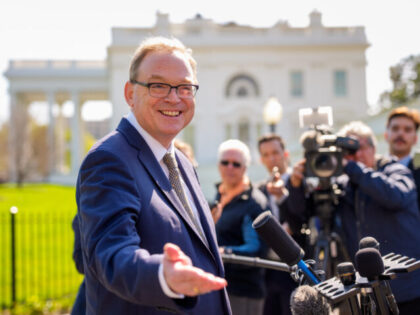
The rest of the world understands what many economists still don’t: the U.S. economy is keystone of the global trading system.
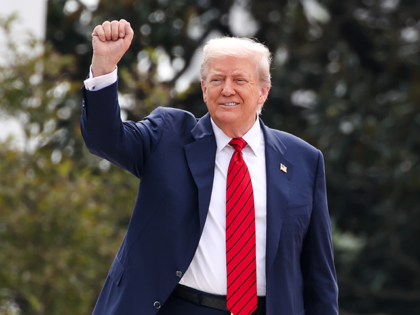
U.S. services activity accelerated in July to its highest level since December, pointing to a solid rebound in business momentum as the third quarter got underway.

The May and June jobs revisions weren’t just large. They were historically large by any standard, representing statistical anomalies so far outside the bounds of normal variation that they are akin to black swans.