Futures Market Says Trump Is Right about the Fed and Interest Rates
The Fed said it expected to hike rates three times in 2019. The market thinks it will only hike once.

The Fed said it expected to hike rates three times in 2019. The market thinks it will only hike once.
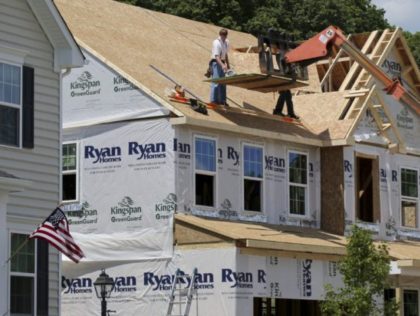
A warning flare just went up from homebuilders.
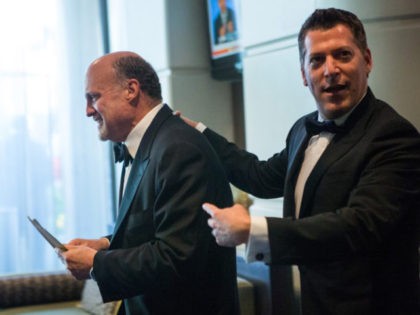
“Maybe he wants Trump to lose,” Cramer said on the financial news networks’ “Squawk on the Street” program.
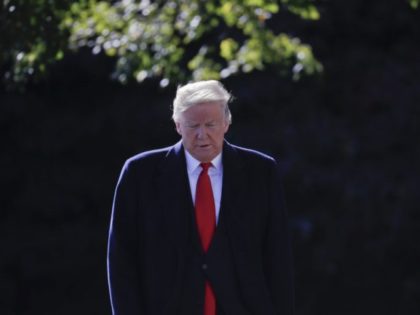
President Trump thinks interest rates have been rising too quickly. Would-be home buyers seem to agree.
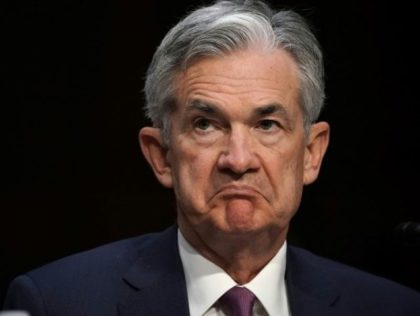
Fed officials think the economy is strong enough to justify rates marching steadily upwards.
Housing starts and mortgage applications were lower than expected. It may be time for the Fed to rethink its plan to hike interest rates further.
Wednesday’s rate hike was the third this year and the eighth since the Fed began raising interest rates in December 2015.
Charles Evans, a long-time dove opposed to interest rate hikes, now sees the Fed moving to restrict growth as tax cut stimulus pushes down unemployment and inflation rises.
President Donald Trump called out China and the European Union on Friday for manipulating their currencies.
U.S. Federal Reserve officials announced a modest interest rate hike on Wednesday, predicting two more this year as the American economy continues to grow.
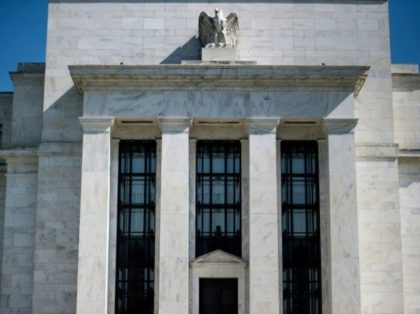
Employment, household spending, and business investment have made solid gains, according to the Federal Reserve.
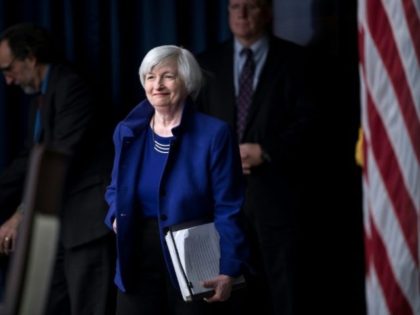
The Atlanta Fed’s real-time forecast of economic growth now says GDP appears to be growing at a 3.3 percent annualized rate, up from 2.9 percent on December 8.
The Federal Reserve raised short-term interest rates by a quarter point on Wednesday, setting a target range of 1.25% to 1.5%.

The Federal Reserve will almost certainly raise its short-term interest rate target by a quarter percentage point at the conclusion of its two-day policy meeting Wednesday.
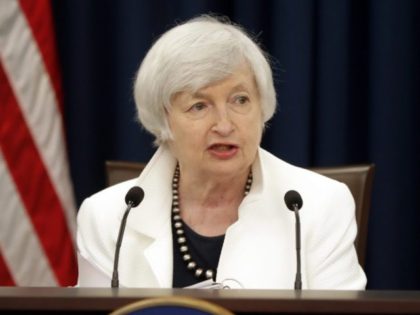
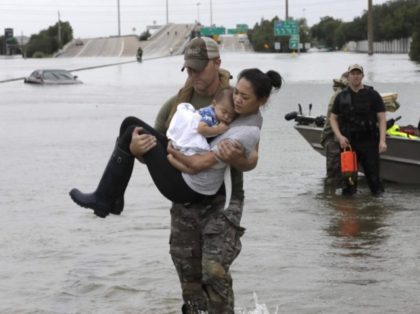
The market got the Fed’s reaction to Katrina wrong back in 2005. The same thing may be happening again.
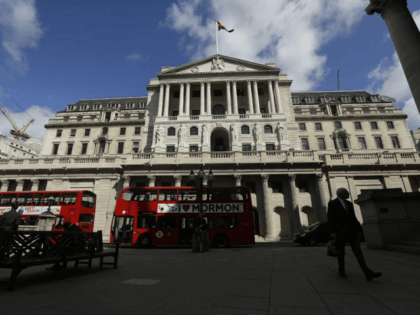
LONDON (AP) — Inflation in Britain unexpectedly fell in the year to June, official figures showed Tuesday in a development that’s eased market expectations that the Bank of England will raise interest rates soon. The Office for National Statistics said
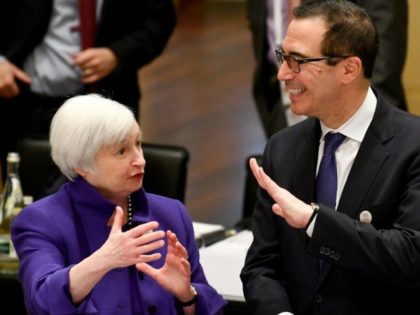
Fed rate raise signals cautious optimism about economic stability.
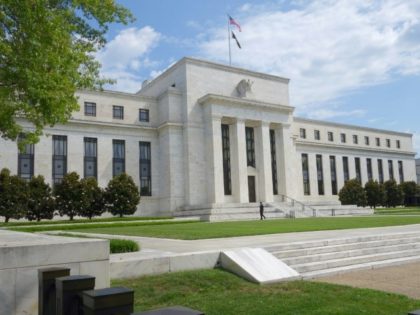
The Fed doesn’t appear worried about the slow pace of economic growth in the first three months of the year, saying that the slowdown is “likely to be transitory.”
Americans owe a whopping $1 trillion in credit card debt thanks to rising interest rates, according to data from the Federal Reserve.
The Federal Reserve increased its key interest rate by 0.25 percent on Wednesday, signaling the Fed’s continued confidence in the improving U.S. economy.
On September 12, the major U.S. stock market recovered over half the prior trading day’s $500 billion loss, but overvalued stock prices could be headed down if the bond market is “sniffing” that interest rates are heading up.
The Federal Reserve is dealing financial drugs and endangering the world economy by creating a bond bubble of epic proportions.
Much of the debate over the maybe-recovery concerns the manipulation of government reports. The Western world is moving rapidly toward a stagnant feudal system populated only by rich aristocrats, rich government officials, and a vast lower class that needs welfare transfer payments to survive. Debt-burdened workers with flat wages, shaky job prospects, and government subsidies for their basic needs are serfs, not a vibrant and independent middle class of entrepreneurs selling their labor to the highest bidders.
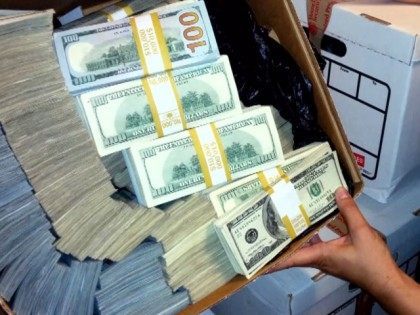
The Fed’s decision to raise interest rates a quarter point for the first time in nearly a decade represents an important and welcome step in the direction of fiscal sanity. It’s a small step, but one that benefits ordinary Americans and will be disliked by many on Wall Street. And in the nation’s capitol.
WASHINGTON (AP) — The Federal Reserve is raising interest rates from record lows set at the depths of the 2008 financial crisis, a shift that heralds modestly higher rates on some loans.
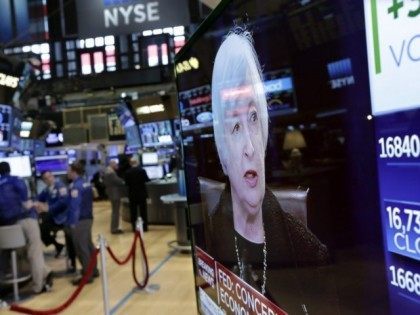
The problem facing Democrats as they roll into the 2016 election cycle is that the economy has improved just enough for the Federal Reserve to kill it with an interest-rate hike.
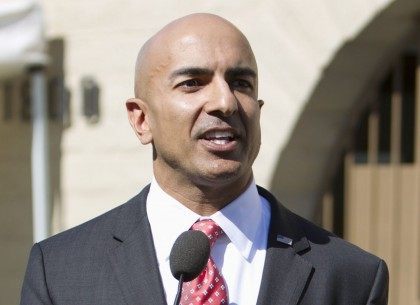
With the appointment of Neel Kashkari as President of the Federal Reserve Bank of Minneapolis, former Goldman Sachs executives will hold 4 of the 5 Fed Presidents’ seats on the powerful Federal Open Markets Committee that controls U.S. interests rates.
Treasury Bill rates have recently fallen to zero percent, but few Americans understand that since September 2008 this has happened 46 times, and about 3 percent of all U.S. government debt under one year in maturity has been sold without paying any interest during the last 7 years.
The Federal Reserve is keeping U.S. interest rates at record lows in the face of threats from a weak global economy, persistently low inflation and unstable financial markets.
From its founding until the beginning of the 20th century, the United States went from a non-economy to being the world’s largest and wealthiest economy. It achieved this feat on the gold standard mostly, with no central bank, (except for 36 years), and with little or no central planning.
The strong dollar, low interest rates and pent-up demand should drive after-tax growth in real consumer spending and a doubling of the rate of housing growth, according to Lombard Street Research.
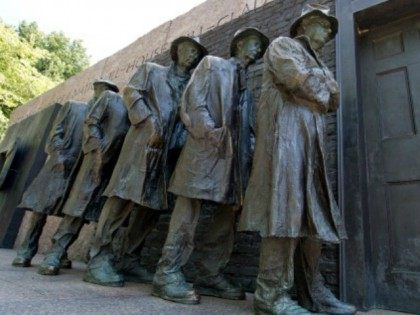
It was a very deep depression, as deep as the one that succeeded in 1929. But in this case, the government did not intervene, and it was over in less than two years. Was this a coincidence? Grant does not think it was. He believes, as this writer does, that present government interventions have deepened our current economic malaise and are retarding a full recovery.
From Josh Zumbrun at the Wall Street Journal: The U.S. has come a long way since the days of trillion-dollar deficits, just a few years ago. The White House projects 2016 will have the smallest budget deficit in eight years.