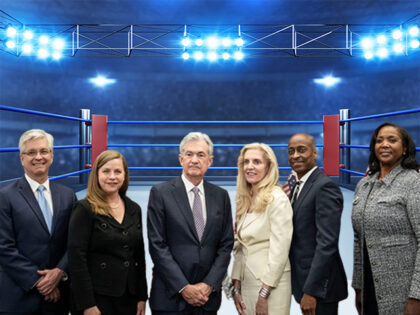
Bidenflation: Fed Sees Interest Rates Staying Higher For Longer to Fight Inflation
Fed officials now expect it will take slightly higher interest rates to get inflation down to their two percent target and to keep it there.
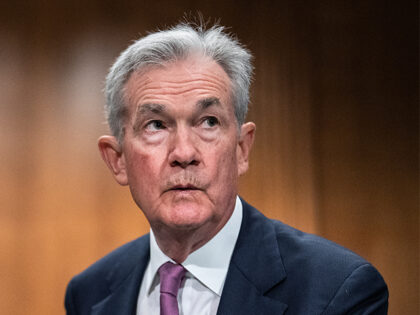
Fed officials now expect it will take slightly higher interest rates to get inflation down to their two percent target and to keep it there.
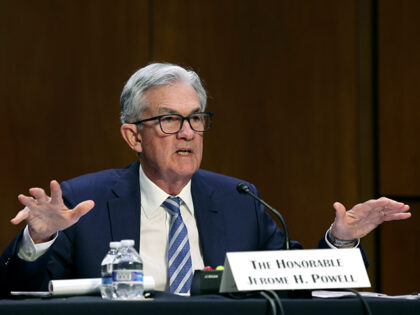
When Jerome Powell steps into the congressional coliseum to deliver his semi-annual testimony to the House and Senate, he is very likely to be met with an aggrieved chorus of Democratic lawmakers arguing that monetary loosening is long overdue.
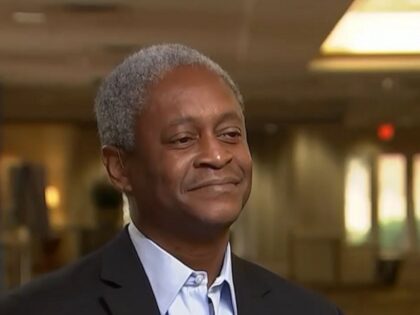
Raphael Bostic warned on Monday that a premature Fed cut could spark an economic boom that would send inflation higher again.
Fed Governor Christopher Waller argues that there is no reason to fear that we are sailing into a recession, which is the thing that usually prompts rate cuts from the Fed.

New home prices in China slipped again in January, and existing home sales slipped even more, notching the steepest decline in nine years.

The decision of the Fed to start cutting interest rates bears a strong resemblance to the decision to marry. It can be reversed but only with a great deal of awkwardness, some economic difficulty, and often a reputational cost.
The disinflationary forces that convinced so many that we were marching into a period of easing have receded. When Wall Street will recognize the pattern on the wall is still an open question.
The evidence is mounting, as solid and as undeniable as the ground beneath our feet. Inflation is here, it’s real, and it’s time to pay attention.
Inflation, having long since overstayed its welcome, announced on Tuesday that it was just getting comfortable.
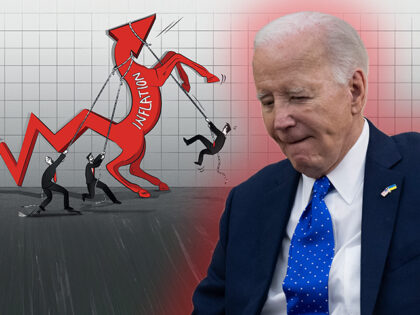
The Federal Reserve justifiably received a lot of criticism for its tardy response to the surge of inflation. Now its critics accuse it of being too hesitant to lower interest rates.
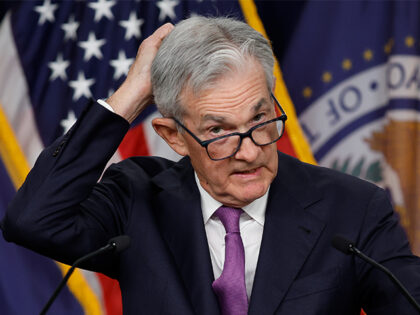
The economy appears to be able to operate at a high rate of growth with interest rates that would have been seen as highly restrictive in the pre-pandemic era.
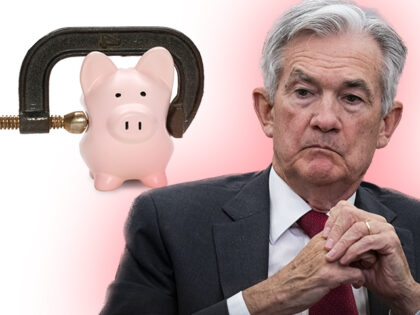
Fed officials continue to push back against the market’s forecast for an aggressive cutting cycle this year.
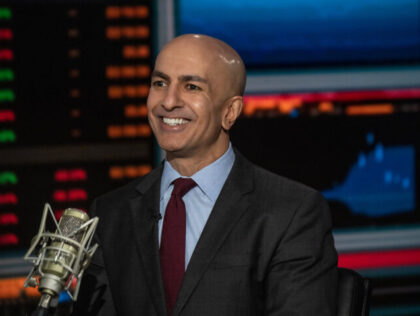
The most underpriced risk in financial markets right now is a rate hike from the Federal Reserve.
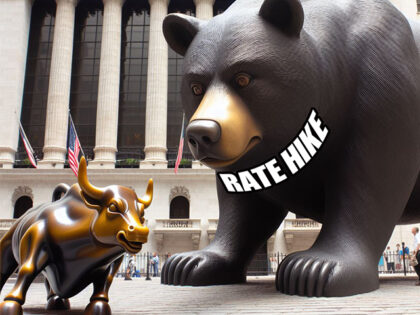
The possibility of an interest rate hike is “the most underpriced risk in the market right now,” Breitbart Economics Editor John Carney told Fox Business host Larry Kudlow.
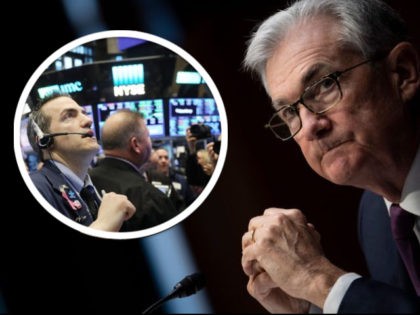
The Bond Market Is Like a Dog Walking on Two Legs We have it on the authority of James Boswell that in the summer of 1763 Samuel Johnson said that “a woman’s preaching is like a dog’s walking on his
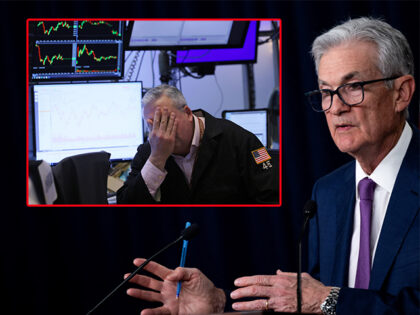
The surprisingly strong January jobs report reflects real employment and productivity growth and not just growth in government or government-adjacent hiring, Breitbart Economics Editor John Carney told Fox Business host Larry Kudlow.
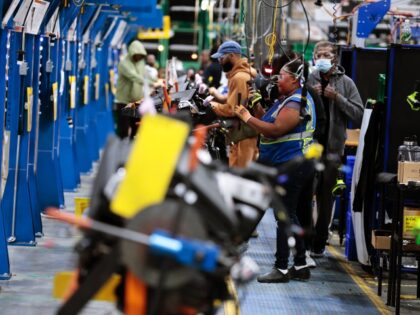
The much-better-than-expected jobs data for January demonstrates that the Federal Reserve was absolutely right this week to rule out a March rate cut. Even a May rate cut now looks unlikely.
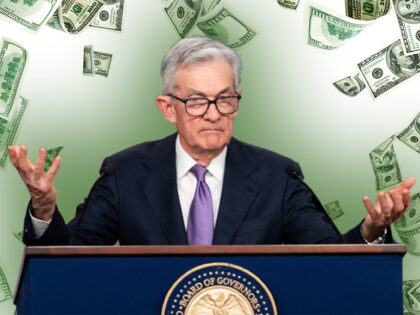
Jerome Powell’s No Cut Thunderbolt Groucho Marx famously said he would not join any club that would have him. What happens, however, when the club joins you? We have been arguing since early December that economic growth was too strong
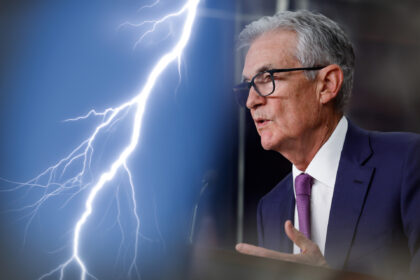
Will the Fed defend the position it staked out in December or capitulate to the view of bond traders?
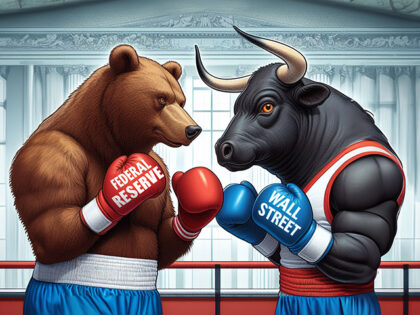
The economy is signaling that it does not need a rate cut to keep growing. The question is whether the Federal Reserve is listening.
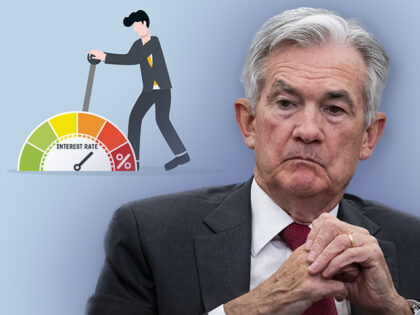
This week’s economic data very likely pushed the timing of a rate cut further out on the calendar.

Despite all of the data and the statements from Fed officials, the market has clung to the conviction that a rate cut is coming as early as March.
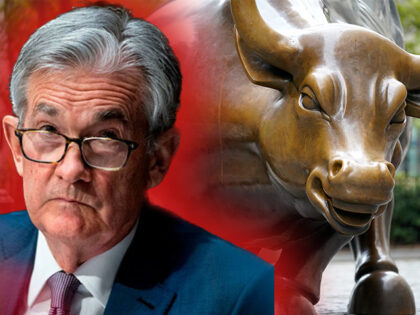
Nothing in the latest economic data provides a justification for the Federal Reserve to cut interest rates after its March meeting, Breitbart Economics Editor John Carney told Fox Business host Larry Kudlow.
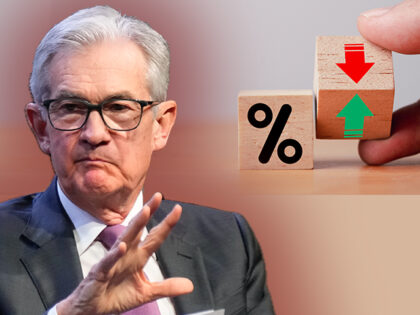
The American consumer’s strength may be the force that wrestles the market out of the conviction that the Fed will cut interest rates this March.

The prospects of a soft landing for the economy is no reason for the Federal Reserve to rush into rate cuts.
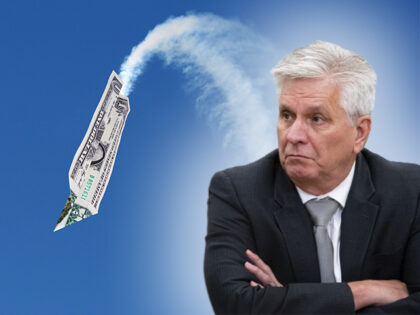
The basic premise behind the conviction that the Federal Reserve will start cutting rates in the first quarter of next year is looking shakier.

The Federal Reserve Chairman’s silence is an implicit endorsement of the market’s view that we’re headed for five or six rate cuts next year.
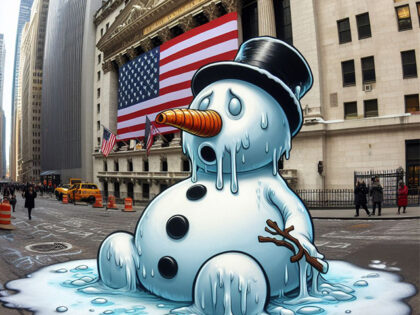
It’s fun to play with Frosty the Snowman, but eventually he melts.
The market’s reaction to the Fed’s dovish pivot last week is withstanding the pushback from former and current Fed officials.
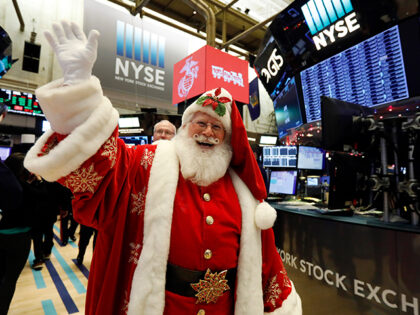
New York Federal Reserve President John Williams said Friday that rate cuts are not a topic of discussion for the central bank.

The markets are delighted that they heard Powell say, as he drove out of sight, “Rates cuts for all—and to all a good night.”
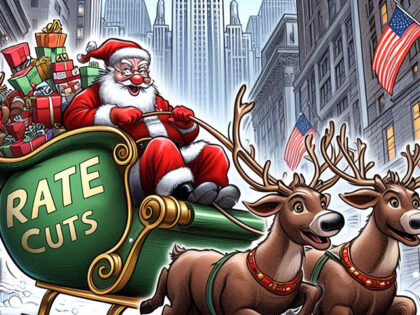
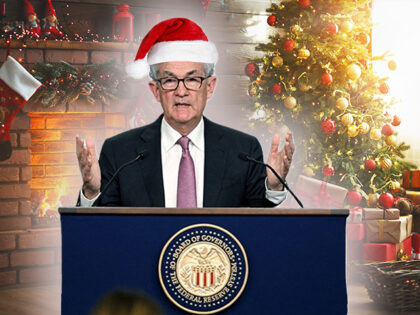
We doubted Fed Chairman Jerome Powell was going to play the Grinch at his press conference today, but we did not expect him to play interest rate Santa Claus.
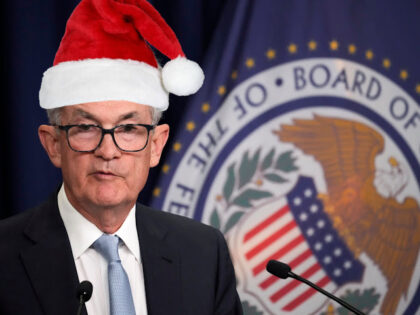
The Federal Reserve left interest rates at 5.25 to 5.5 percent.
The average monthly mortgage payment in Joe Biden’s America has soared to $3,322, the WSJ reports, up from $1,787 when Donald Trump left office.
The November jobs numbers were a kick in the teeth to traders betting that the Federal Reserve would start cutting rates in March.
Buckle up and return to your seats. There’s likely to be some turbulence ahead.
The Federal Reserve may have to get back to work.
Jerome Powell probably did not mean to trigger a significant easing of financial conditions on Friday, but that’s exactly what he did.
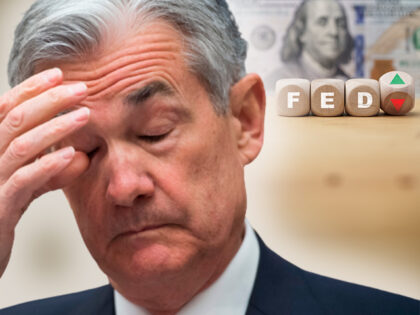
The market immediately priced in much larger odds of a cut in March and May.
Does the rule that you cannot fight the Fed apply if the Fed is fighting itself?