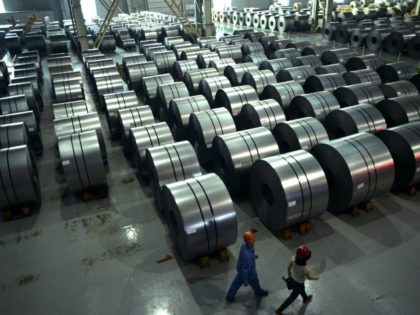
U.S. Factory Activity Bounced Back in March
A stronger than expected reading from the manufacturing sector showed gains in orders, production, and employment.
A stronger than expected reading from the manufacturing sector showed gains in orders, production, and employment.
Former Rep. Thaddeus McCotter (R-MI) told Breitbart News that President Donald Trump’s positions on international trade have reshaped the Republican Party’s voter base.
Manufacturing activity rebounded in March after plunging in February. There are no signs of tariff-led price increases.

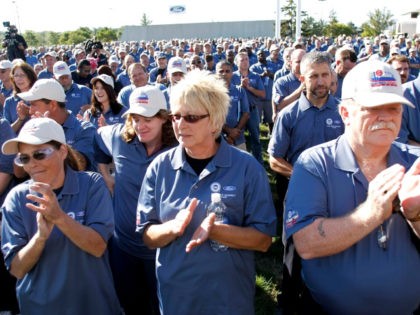
Ford Motor Company executives have announced a new investment in American workers and the state of Michigan with plans to invest $900 million in the United States, set to create 900 U.S. jobs.
America First Policies Senior Policy Adviser Curtis Ellis says President Trump should impose a 25 percent tariff on auto imports to save American auto manufacturing from China’s efforts to dominate the industry.

A small but welcome increase fueled by transportation orders and a jump in spending on capital goods.
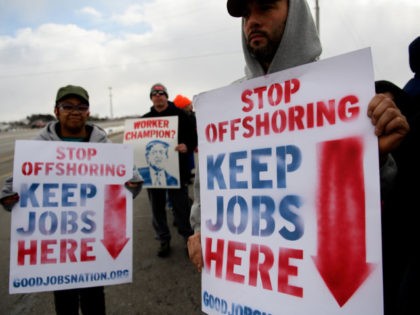
More than 8,000 American workers in the Lordstown, Ohio, region could be laid off due to General Motors’ (GM) decision to close its assembly plant in the town.
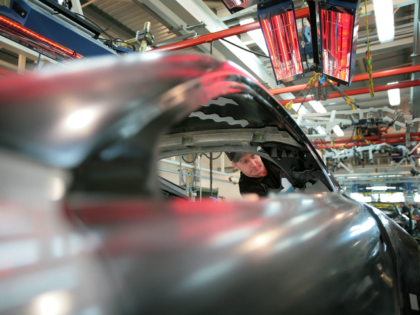
When Trump announced tariffs on steel and aluminum last year, economists predicted an auto-paclypse would send prices soaring higher.

The economy continued to expand and manufacturing activity expanded but shutdown hurt in some areas and China worries persist.

While anti-Brexiteers have been at pains to emphasise the potential risks of a No Deal exit from the European Union and draw tenuous links between the global downturn in diesel car sales and Britain’s pending departure from the bloc in recent weeks, British industry has been enjoyed a series of important but little-reported success stories.
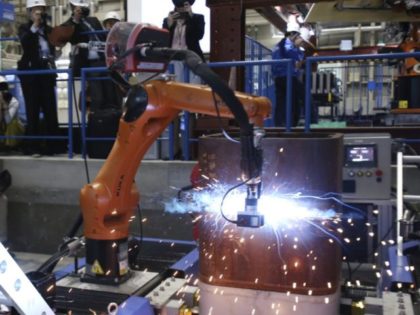
According to a recent report, U.S. companies installed more robots in 2018 than ever before across a number of industries. Robot usage by Food and consumer goods industries surged 60 percent over 2017.
Good news out of the Texas, where general business conditions are up by more than expected and manufacturing is expanding.

Wage growth in manufacturing has not been this high since before the financial crisis and the great recession.
Higher steel prices have made investment in domestic steel production profitable again.
Increased productivity signals tariffs are not hurting American manufacturers.
New figures show British car manufacturing surged 8.5 percent in 2018, as the country is enjoying a slew of investments in research and new factories.
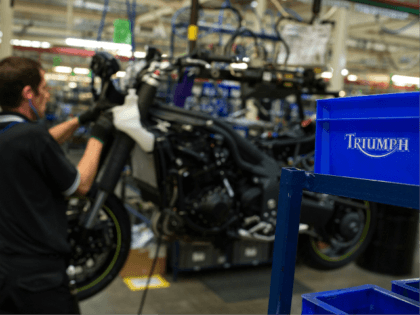
Factory activity increased and, despite all the worries about tariffs, prices of raw materials used by manufacturers fell.
President Donald Trump warned Thursday of impending tariff increases should trade meetings with China not result in a deal by March 1.
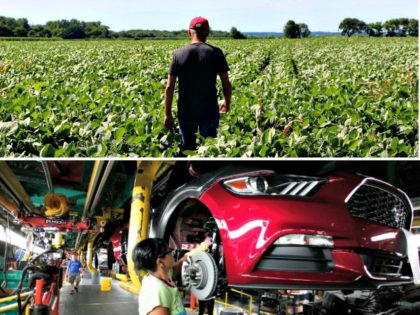
The top U.S. steelmaker is set to build a new state-of-the-art steel plate mill in the American Midwest with an investment of about $1.3 billion into the project thanks to President Trump’s 25 percent tariff on imported steel.
Economic growth accelerated and was much stronger than expected in January, according to a basket of indicators collected by the Federal Reserve Bank of Chicago.
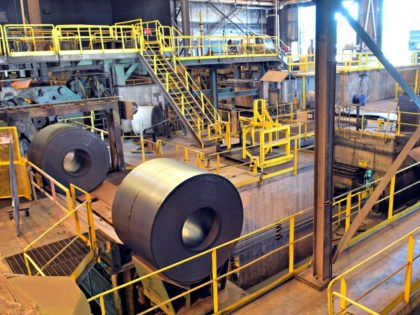
An Ohio steel mill, forced into closure by free trade and imports, is reopening this year thanks to President Donald Trump’s 25 percent tariff on foreign steel imports.
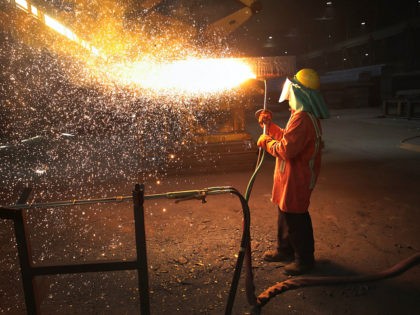
While the headline number still indicates a contraction of factory activity, expectations for key components improved in January.
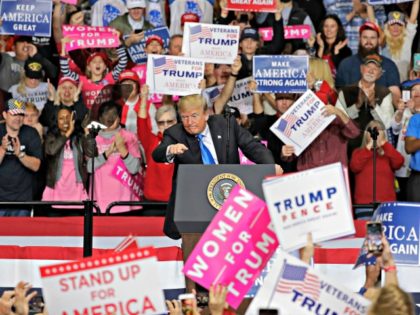
Total industrial production rose 4.0 percent in 2018, much higher than 2.9 percent in 2017 and 2016’s paltry 0.5 percent gain.
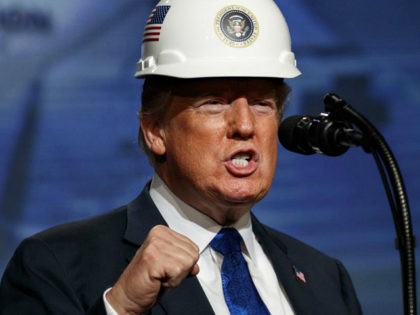
New York’s state of mind was decidedly less buoyant than expected in December.

So much for the blarney about tariffs hurting U.S. manufacturers.
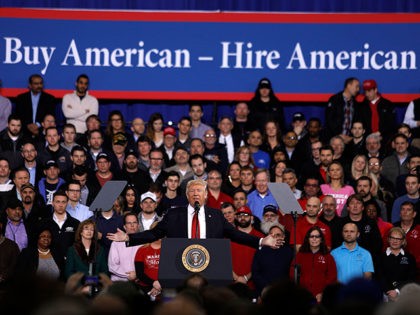
They said it could not be done. But America went ahead and did it anyway.
The slowdown is due to the fall in the price of oil and not trade disputes.
The Great American Jobs boom rolls on.
Manufacturing continued to expand in December but optimism about the coming year fell, according to a survey of manufacturers.
China’s economy is slowing down more than expected.

Trump’s critics want to blame tariffs for a slowdown in manufacturing. But the data tell a very different story.
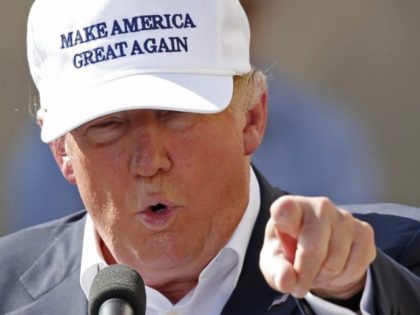
Wealthy cities and elite zip codes thrived under the slow-moving economic recovery of President Obama while rural American communities were left behind, a study reveals.
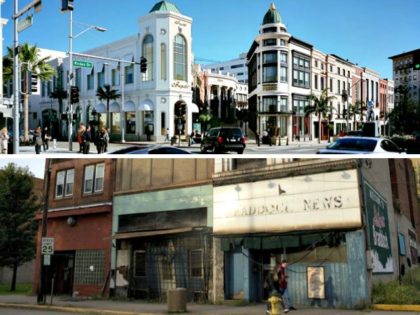
No sign of the widely predicted Tariffmageddon.
A much better than expected result for November points to a re-acceleration of factory activity going into the end of the year.
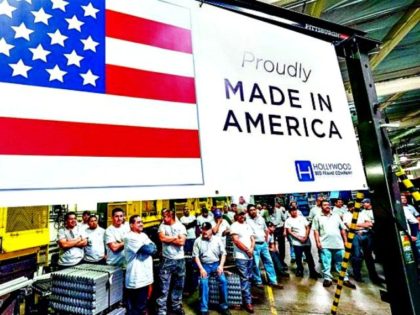
President Donald Trump called out GM Thursday for cutting jobs and closing North American plants, whereas other automakers, such as BMW, are pouring into the United States.

Although overall durable goods orders were weak, the products covered by the Trump administration’s new China tariffs did far better.

The United States has not seen an October this strong for manufacturing employment since before the turn of the century.
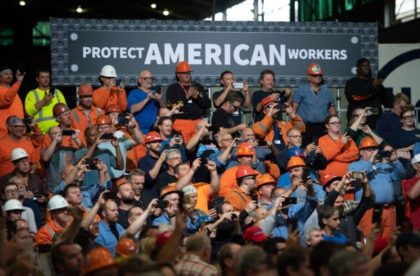
Another quarter of rising productivity shows the U.S. economy continues its healthy expansion.
They said tariffs would destroy jobs. That hasn’t happened.
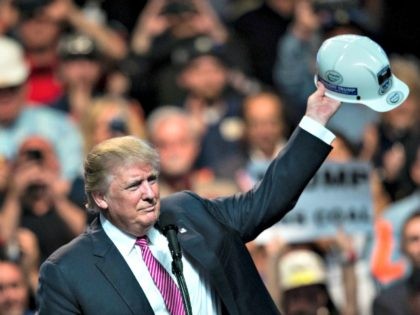
President Donald Trump’s tariffs on imported steel and aluminum are not costing American jobs as free traders had claimed they would, a new report by Bloomberg Businessweek admits.