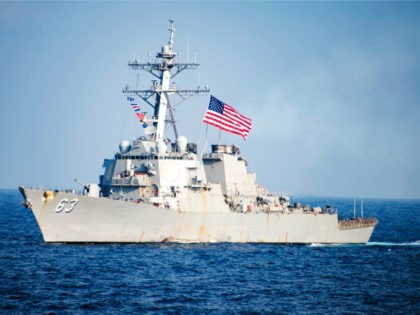
Trump Rules Out Iran Strikes Before Midterms, Citing ‘Productive’ Talks and Ongoing Blockade
President Donald Trump announced Thursday that the United States will not launch military strikes against Iran before the November 3 midterm elections.
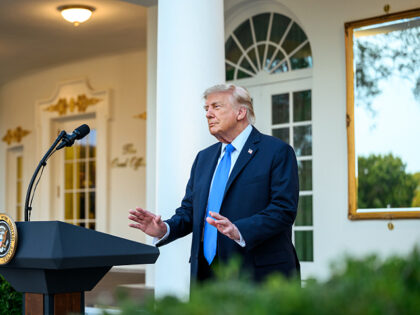
President Donald Trump announced Thursday that the United States will not launch military strikes against Iran before the November 3 midterm elections.
The Pentagon has ordered U.S. Central Command (CENTCOM) to complete preparations for a possible resumption of major combat operations against Iran as President Donald Trump weighs renewed strikes that could come before November’s midterm elections, according to multiple reports Wednesday.
Iran is set to have no oil at sea and no oil revenue this week for the “first time in history,” Treasury Secretary Scott Bessent said as Tehran’s top security official issued a rare warning over the country’s deepening economic crisis.
President Donald Trump said Thursday that Iran is “ready to fold up” as Treasury Secretary Scott Bessent announced that Tehran loaded “ZERO” crude oil onto tankers in September, the latest sign of the administration’s campaign to cut off the regime’s most critical source of revenue.
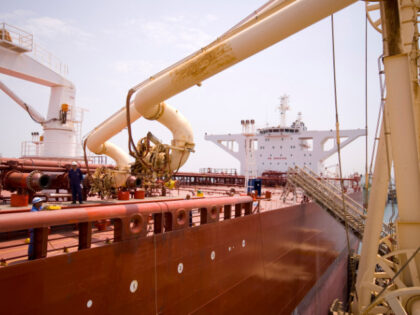
Treasury Secretary Scott Bessent warned Sunday that Iran will have “nothing left to trade for anything” within roughly two weeks as its remaining oil reaches China, arguing that the Trump administration’s economic campaign has brought Tehran “to its knees” and is driving the regime to seek a deal.
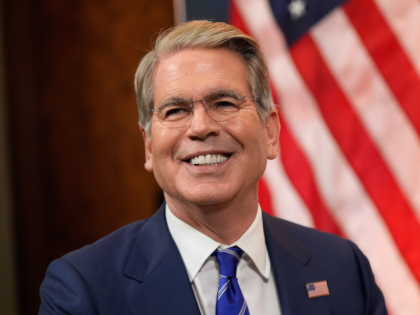
President Donald Trump has rejected Iran’s proposed seven-day plan to reopen the Strait of Hormuz and told aides he expects U.S. strikes against Iran to resume after the November midterm elections.
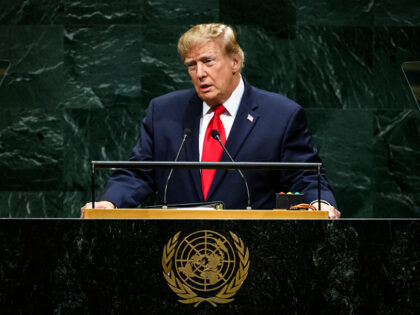
Treasury Secretary Scott Bessent said Wednesday that Iran’s regime has been reduced to “cornered animals” as the United States combines military force, a naval blockade, and an unprecedented financial offensive designed to cut off Tehran’s “financial oxygen,” predicting that under the mounting pressure, “they’re going to yell uncle.”
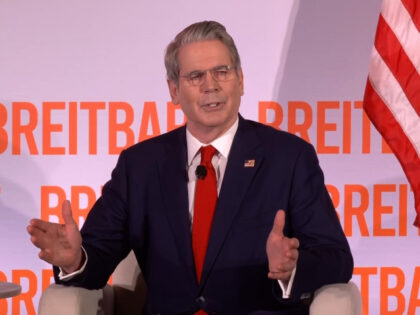
The Trump administration is waging an unprecedented campaign to isolate Iran economically, combining a naval blockade with sweeping sanctions as top officials say the pressure will continue until Tehran changes course — or its government does.
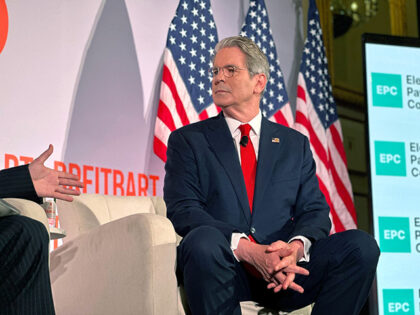
Iran is down to roughly two months of gasoline as the U.S. blockade and President Donald Trump’s escalating economic offensive choke off the regime’s oil exports and remaining financial lifelines — a rapidly worsening crisis that Treasury Secretary Scott Bessent on Friday branded the “Jaws of Death for the Iranian Economy.”
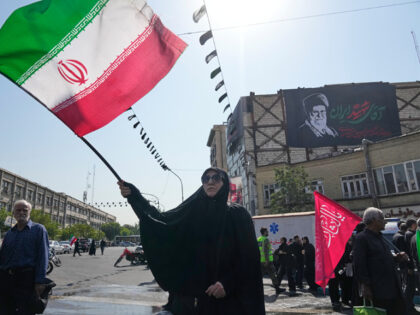
U.S. Central Command confirmed Thursday that American forces have cleared Iranian sea mines from the Strait of Hormuz’s internationally recognized shipping lanes, opening the critical waterway to growing commercial traffic while a U.S. naval blockade has stopped Iranian oil exports entirely since mid-July — a dramatic shift President Donald Trump says has left Tehran “begging to make a deal.”
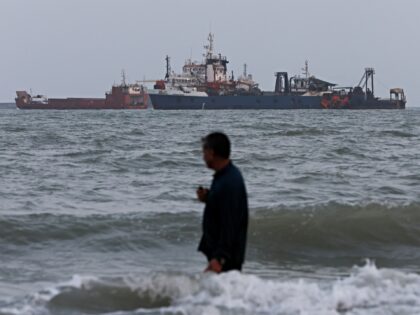
Iranian officials fired back at President Donald Trump on Tuesday, calling him “delusional” and declaring a “post-American order” in the Persian Gulf after the president posted a map labeling the Strait of Hormuz “New U.S. Territory” and insisted the strategic waterway is “open and operating.”
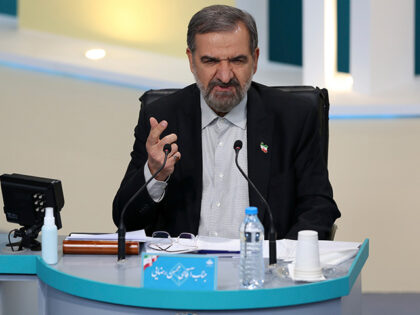
President Donald Trump doubled down Monday on declaring the Strait of Hormuz U.S. territory, asserting that Washington has “total control” of the strategic waterway as Tehran threatened a military attack to break the U.S. naval blockade and declared a shift toward a more offensive posture.
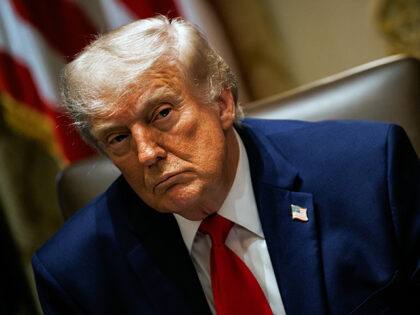
President Donald Trump said Friday that the United States will declare the Strait of Hormuz “U.S. territory” after it finishes defeating Iran, escalating his assertion of American control over the strategic waterway as Tehran vowed that the strait “has been Iranian, is Iranian, and will remain Iranian.”
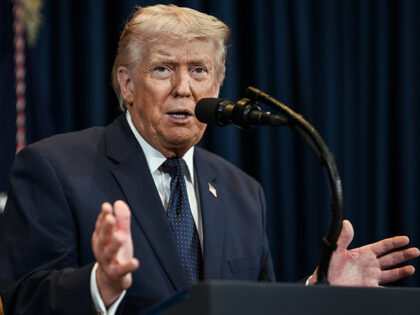
President Donald Trump is preparing to dramatically escalate his “Economic Fury” campaign against Iran, with new measures coming next week, Treasury Secretary Scott Bessent warned Thursday.
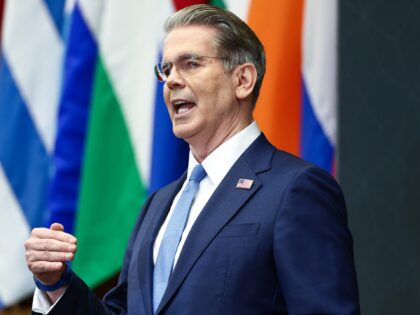
President Donald Trump declared Monday that the U.S. Navy now “controls the Strait 100%” behind an “infallible” American blockade, while leaving the prospect of a major escalation against Iran firmly on the table as Tehran refuses to back down from sweeping demands for ending the standoff.
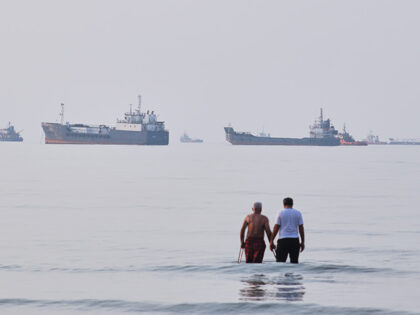
President Donald Trump rejected Iran’s sweeping demands for fully reopening the Strait of Hormuz on Monday, and said the U.S. is “now demanding compensation” from Iran in all future negotiations.
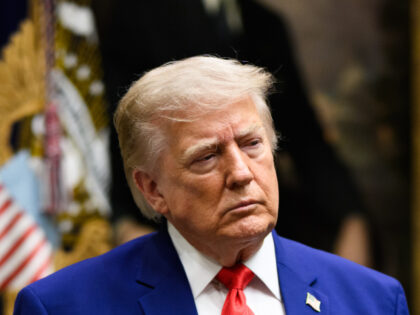
President Donald Trump said Sunday the United States is “low keying” its approach to Iran, signaling he is prepared for now to let mounting economic pressure squeeze Tehran rather than launch another major military offensive.
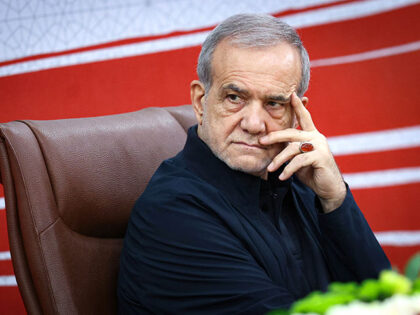
Iran’s top national security official warned Saturday that the Strait of Hormuz will remain closed until the United States “corrects its behavior,” issuing a sweeping list of demands as Vice President JD Vance said Washington remains in the “middle of the game” and is continuing to apply diplomatic, economic, and military pressure on Tehran.

President Donald Trump said Sunday that a deal with Iran is “imminent” and negotiations will begin Monday afternoon over the Strait of Hormuz and Tehran’s nuclear program, one day after he called off what he described as a potentially massive U.S. attack on the Islamic Republic.
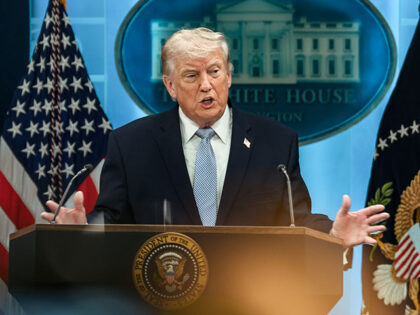
President Donald Trump said Sunday that the United States had struck Iran “very hard” in honor of three American servicemembers killed in recent days, as U.S. Central Command announced it had successfully completed a ninth consecutive evening of strikes targeting Iran’s military infrastructure and its ability to attack commercial shipping through the Strait of Hormuz.
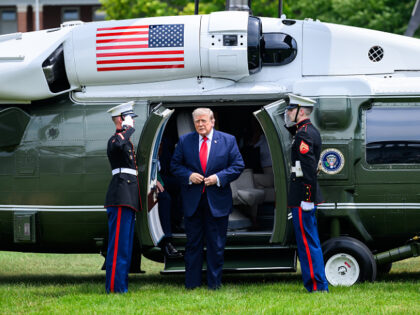
President Donald Trump on Sunday forcefully defended the emerging U.S.-Iran peace framework as “THE EXACT OPPOSITE” of former President Barack Obama’s nuclear deal, insisting Tehran would receive no sanctions relief or economic concessions unless it surrendered its enriched uranium and permanently abandoned any path toward a nuclear weapon as negotiators worked to finalize what administration officials described as a nearly completed agreement.
President Donald Trump said Iran “badly” wants a deal and has agreed not to pursue nuclear weapons as Tehran was expected Thursday to respond to an emerging U.S.-backed framework proposal aimed at ending the conflict and launching broader negotiations over the regime’s nuclear program.
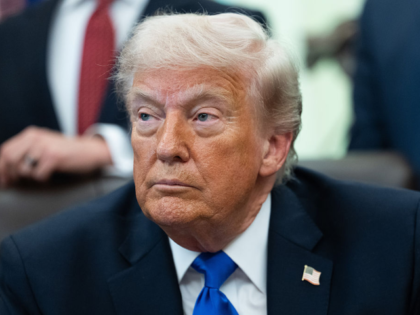
A senior Iranian military official warned Saturday that a “renewed conflict” with the United States is “likely” after President Donald Trump said he is “not satisfied” with Tehran’s latest proposal and signaled military options remain on the table, saying he “can’t imagine” the offer would be acceptable given Iran has “not yet paid a big enough price” for its actions over the past 47 years.

President Donald Trump said Friday that he is “not satisfied” with Iran’s latest proposal to end the conflict, warning there “may never be a deal” as he described Tehran’s leadership as “very disjointed” and confirmed he was briefed on potential military options if an agreement is not reached.
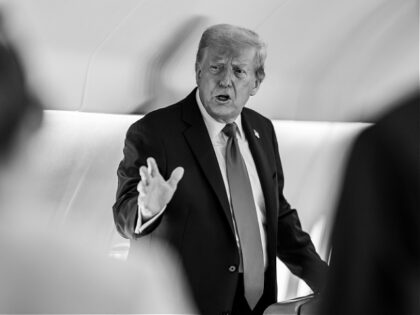
President Donald Trump said Sunday the U.S. Navy “stopped them right in their tracks by blowing a hole in the engineroom” of an Iranian-flagged cargo ship before seizing the vessel — marking the first known use of force under Washington’s naval blockade as Tehran threatens retaliation and critical ceasefire talks hang in the balance.
President Donald Trump said Monday that the “right people” in Iran have reached out seeking to “make a deal — very badly” after talks collapsed over the weekend, insisting Tehran will “never” be allowed to obtain a nuclear weapon as the United States simultaneously moved forward with a naval blockade targeting Iranian ports to increase pressure.
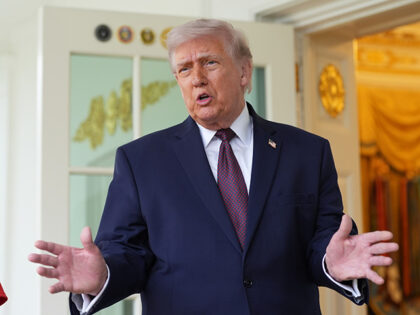
Left-wing Australian PM Anthony Albanese said Canberra has not received a request from the United States to help with its “unilateral” blockade of the Strait of Hormuz as announced by President Donald Trump.
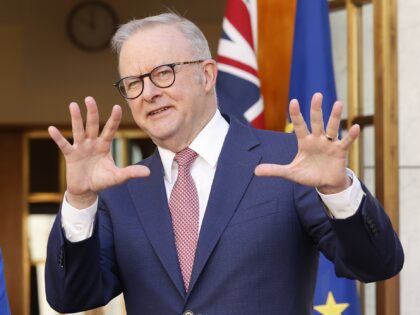
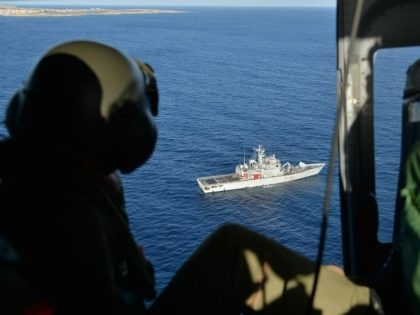
Top naval officer expressed support for a naval blockade in the Mediterranean to halt illegal migration to alleviate human suffering.
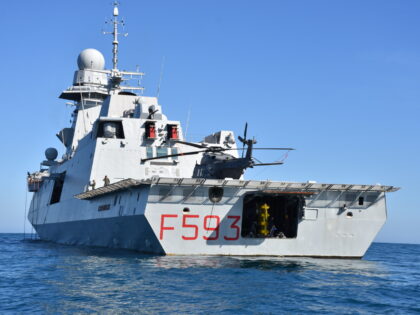
Russia will lift its blockade of the Black Sea and allow grain to be exported again from Ukraine once Western nations lift sanctions, the country’s Deputy Foreign Minister has said.
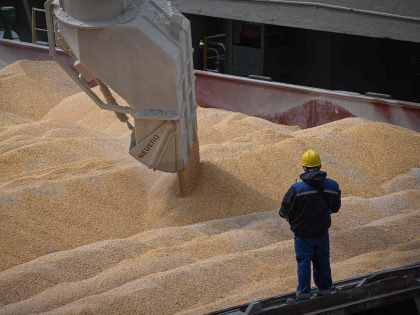
An EU plan to export Ukrainian grain using the country’s train networks to alleviate the global food crisis is “highly unlikely” to work, the UK’s Ministry of Defence has said.
Italian General Vincenzo Santo has proposed that the country’s naval forces work with Libya and Tunisia and block suspicious boats in the Mediterranean that may be carrying illegal migrants. General Santo, the former head of NATO operations in Afghanistan, has
U.S. officials considered a naval blockade against Venezuela during a meeting this month in Washington, according to a report from the Spanish newspaper La Vanguardia on Wednesday.