Donald Trump Challenges OPEC for Cutting Oil Production
“Oil prices getting too high. OPEC, please relax and take it easy,” he wrote on Twitter. “World cannot take a price hike – fragile!”
“Oil prices getting too high. OPEC, please relax and take it easy,” he wrote on Twitter. “World cannot take a price hike – fragile!”
Economic data released by Iran this week indicated oil exports are sharply down and the export of products other than oil has been cut in half by U.S. sanctions.
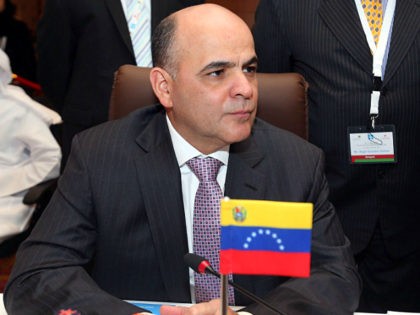
Venezuela will assume the presidency of the Organisation of the Petroleum Exporting Countries (OPEC) next year, leading the world’s oil industries as its own collapses.
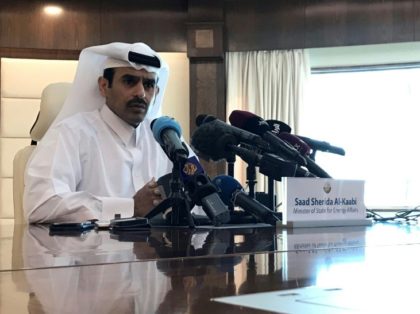
Contents: Qatar withdraws from Saudi Arabia-led OPEC; The split deepens between Saudi Arabia and Qatar
Trump’s oil price tweet and a glut of supply amidst weakening global demand have crushed the price of oil.
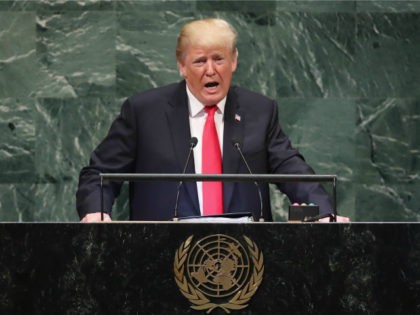
President Donald Trump proclaimed as he spoke to the United Nations General Assembly in New York on Tuesday that he does not like that “OPEC and OPEC nations are, as usual, ripping off the rest of the world.”
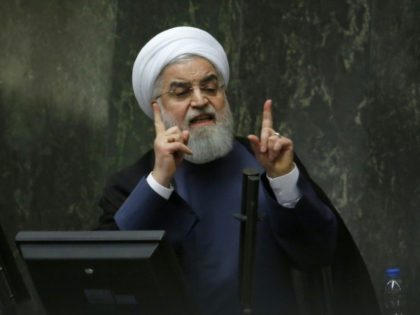
In an interview with Lester Holt of NBC Nightly News to be aired on Monday night, Iranian President Hassan Rouhani predicted U.S. sanctions would be unable to paralyze Iran’s oil industry or inflict enough economic damage to jeopardize the survival of his government.
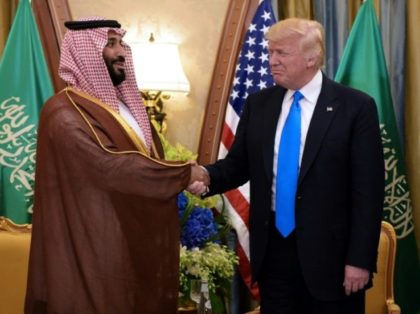
Saudi Arabia met Donald Trump’s demands for more oil, hiking its output in June to the highest level since 2016.
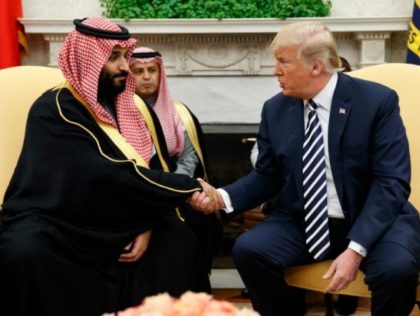
Iran’s representative to the Organization of the Petroleum Exporting Countries (OPEC), Hossein Kazempour Ardebili, reportedly pled on Thursday for President Donald Trump to “please stop” tweeting because his doing so has raised oil prices by at least $10.

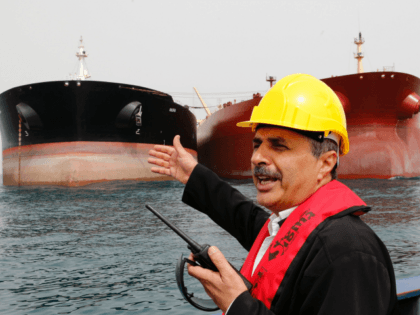
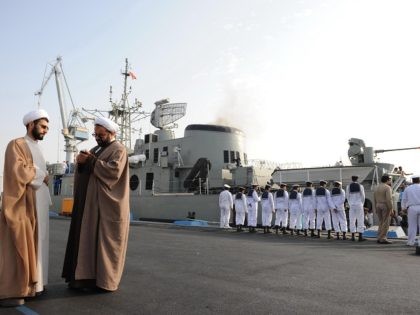
Iran has threatened to block the Strait of Hormuz – a key Gulf passage for shipments of commodities – over Washington threatening to sanction any country that fails to stop importing oil from the Islamic Republic by November 4.
On June 13, Trump tweeted, “Oil prices are too high, OPEC is at it again. Not good!” Nine days later, OPEC agreed to produce hundreds of thousands of additional barrels of oil per day.
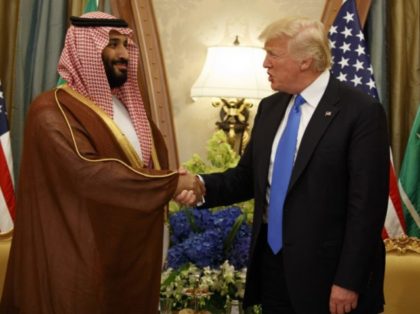
Donald Trump took to Twitter on Wednesday morning in an apparent attempt to talk down the price of oil.
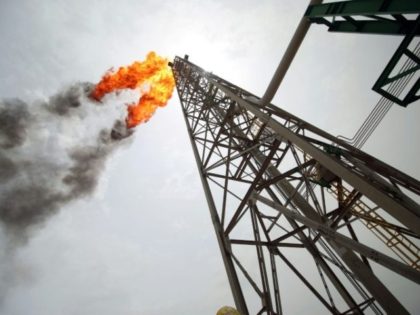
Bernie Marcus writes that President Trump’s National Security Strategy tells us that we must “embrace energy dominance” by “unleashing our abundant energy resources,” including natural gas. If we follow that course, we could break free of the stranglehold of OPEC.
Saudi oil executives inked multi-billion dollar deals with companies to explore building petrochemical facilities along the Texas Gulf Coast. Essentially, they hope to capitalize on the U.S. oil and gas boom, largely fueled by shale drilling in the Permian Basin.
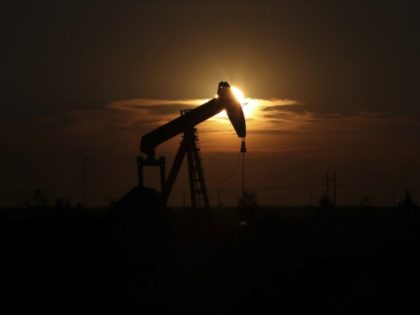
The rising U.S. production means the U.S. will become close to being energy self-sufficient, a huge shift from the era not so long ago when the U.S. was the world’s largest oil importer.
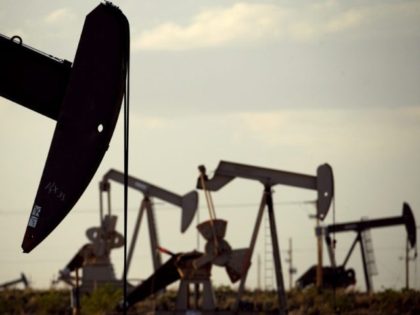
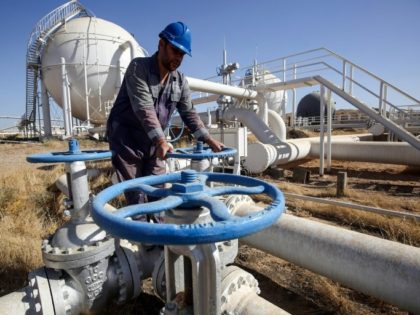
Contents: Burkina Faso terror attack targets France’s anti-terror Operation Barkhane; China pushes to invest heavily in Iraq’s energy infrastructure; African Cédric Bakambu joins China’s Sinobo Guoan Football Club
The latest report from the International Energy Agency finds American oil production at its highest level in 50 years and projects that it will surpass that of Saudi Arabia and Russia in 2018.
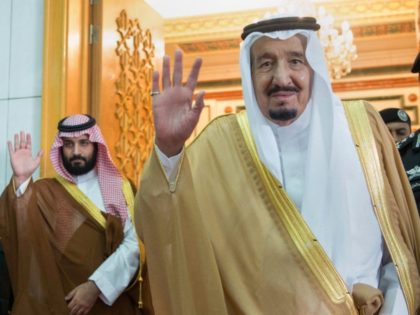
Saudi Arabia’s King Salman, on the first official trip to Russia by a ruler of the oil-rich Sunni powerhouse, was set to meet President Vladimir Putin to discuss energy contracts despite discord over the Syrian conflict.
The California Division of Conservation has received a 543 percent increase in “Oil & Gas Notices” this year, as a Golden State fracking is set to lift the U.S. to a production record.
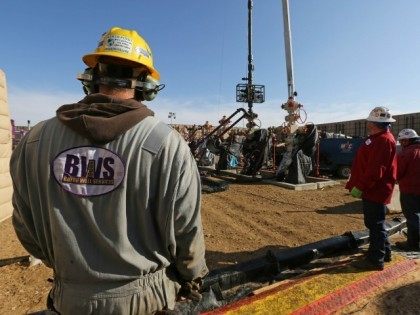
Hundreds of Venezuelans found themselves stranded this week as the nation’s gasoline supply ran out at most stations throughout the nation’s urban centers, a stunning development in an OPEC nation believed to boast the world’s largest oil reserves.
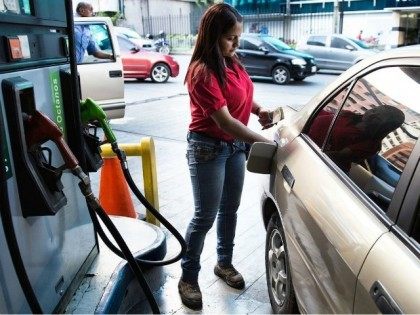
Every year, the United States spends $67.5 billion to ensure the worldwide free flow of oil. Often produced in unstable parts of the world and shipped through insecure chokepoints, the U.S. military works to make sure crude oil from other countries makes it safely onto the global market. Yet while this global oil market benefits some nations, its volatility threatens the American economy and undermines U.S. national security.
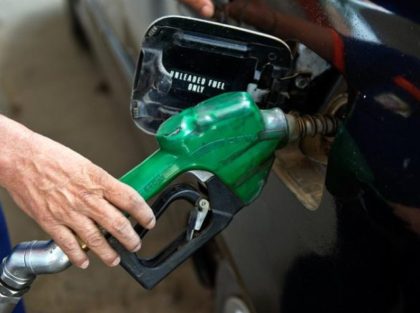
Within the first year after the federal government lifted its ban on exporting American oil, Texas producers are seeing spikes in demand on the international market.
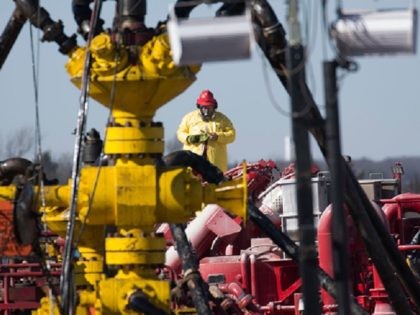
Kellogg’s shares (NYSE: K) tumbled over 2% on Wednesday, following accusations that the company benefits from child labor. The stock continued to fall after the launch of Breitbart News’ “#DumpKelloggs” campaign.

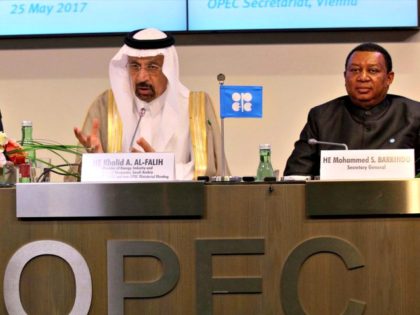
An agreement among member nations of the Organization of Petroleum Exporting Countries to reduce output by one percent was announced Wednesday morning.
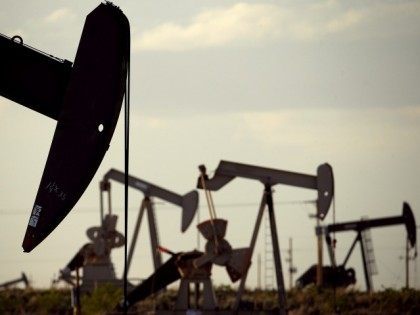
A western Texas oil and natural gas shale formation was labeled the “largest” of its kind by the U.S. Geological Survey on Tuesday.
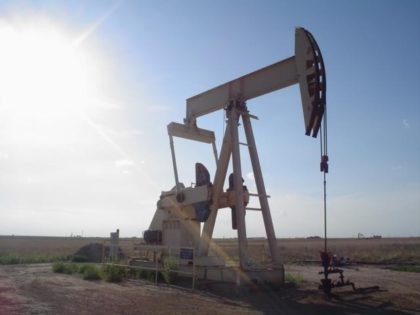
Old disputes between Saudi Arabia and rival Iran resurfaced at a meeting of OPEC experts last week, with Riyadh threatening to raise oil output steeply to bring prices down if Tehran refuses to limit its supply, OPEC sources say.
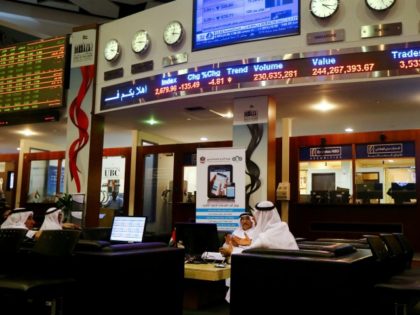
Oil prices were mixed in choppy trade on Tuesday as disagreement flared within producer cartel OPEC on who should cut how much production in a planned coordinated reduction to prop up prices.
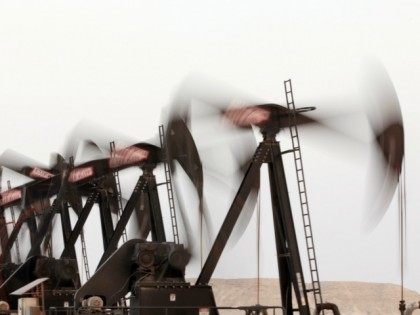
Oil prices came under pressure on Monday as Iraq said it wanted to be exempt from an OPEC deal to cut production, though losses were capped by Iran saying it would encourage other members to join an output freeze.
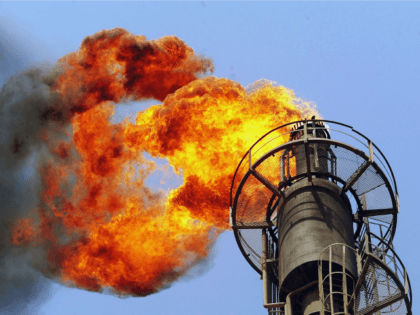
At the end of September, the Organization of Petroleum Exporting Countries (OPEC) surprised the markets by agreeing to a production cut. As soon as the 14-nation deal was announced, oil prices jumped more than five percent to some of the highest levels since the crash two years ago.
Saudi Arabia has signaled that it may accept an oil deal that does not require Iran to scale back production, which is taken by Bloomberg News as a sign that Iran “has the edge” in its oil price war against the Kingdom.
The Kingdom is struggling with weak GDP growth, higher fees and taxes, and an economy that is unable to pay the dues to its workers, leaving thousands of workers from South Asia with an uncertain future.
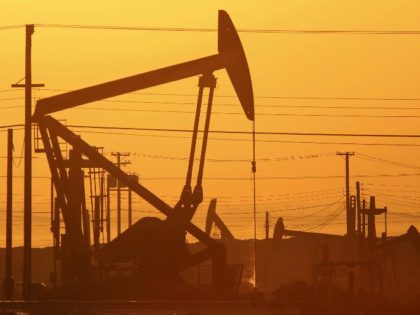
CLEVELAND, Ohio—Republican delegates in Cleveland drew a sharp contrast to Hillary Clinton and the Democrats on Monday, pushing sharp restrictions on federal power over land and aggressive domestic energy production as vital to both the economy and national security during the Platform Committee debates ahead of the full party gathering next week to nominate the GOP’s standard bearer.
Talk of a production cap to stabilize oil prices seems like a distant memory now, as Iran continues ramping up post-sanctions production and Saudi Arabia cuts oil prices to Europe to compete.
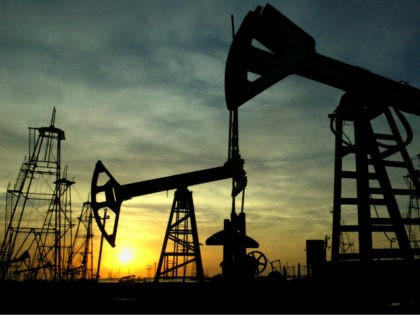
OPEC’s thorniest dilemma of the past year – at least from a purely oil standpoint – is about to disappear.
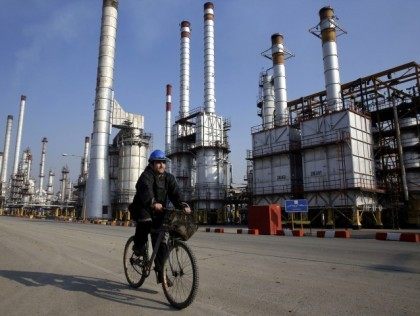
Leading up to a crucial meeting for the global cartel next week, OPEC leadership has made plain that the price of oil is far too low to encourage investment and supply the global market in the longer term. The comments follow a variety of indicators beginning to signal a larger recovery.
Iran has once again refused to freeze oil production – in fact, the Islamic Republic insists it will continue to increase output. Along with a pause in oil rig reductions, this caused oil prices to slide again on Monday.
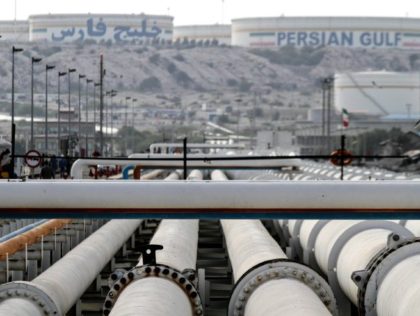
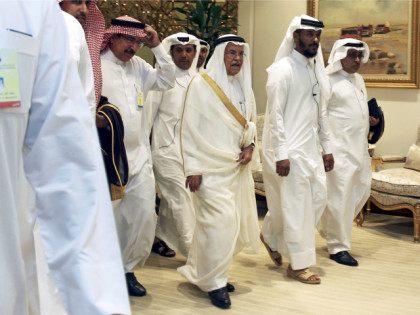
The rally in oil prices over the past few weeks was based on hopes that oil-producing nations would agree to freeze production at a pivotal meeting in Doha, Qatar, but the talks collapsed without an agreement on Sunday.
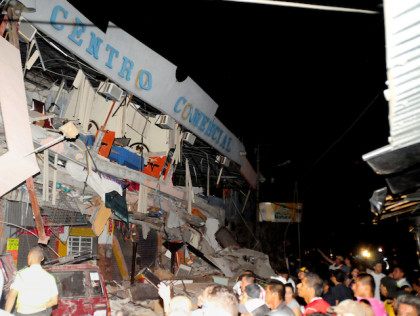
QUITO, Ecuador (AP) — The strongest earthquake to hit Ecuador in decades flattened buildings and buckled highways along its Pacific coast, sending the Andean nation into a state of emergency. As rescue workers rushed in, officials said Sunday at least
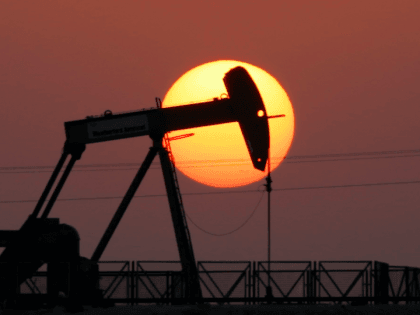
Saudi Arabia has scuttled talk of a deal with other big oil nations to cut production and “warned high-cost operators such as U.S. shale drillers to trim costs or go bust, in a stark message that triggered fresh pressure on crude prices,” as the Financial Times put it.
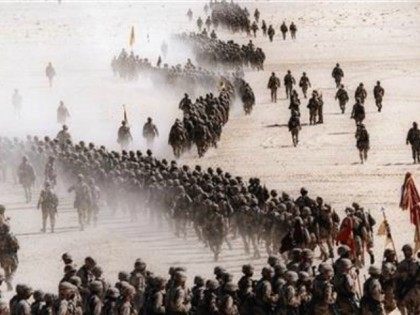
The 1991 Gulf War saw only 100 hours of ground fighting as U.S. forces entered Kuwait to end the Iraqi occupation, but echoes of that conflict have lingered for decades in the Middle East.