Google Accused of Developing System to Spy on Employees
Tech giant Google has been accused by employees of developing an internal surveillance tool designed to monitor its workers’ attempts to organize protests.
Tech giant Google has been accused by employees of developing an internal surveillance tool designed to monitor its workers’ attempts to organize protests.
A recent report from security and privacy experts Tutanota, which bills itself as a Google alternative, outlines how mass surveillance has become commonplace online and the effect it has on free speech.
Google devices chief Rick Osterloh admitted during a recent interview that he would disclose to guests entering his home that smart speakers are present, showing that the Masters of the Universe recognize just how invasive their technology actually is.

An official Chinese government app called “Study the Great Nation” has reportedly given the Chinese Communist Party the ability to spy on more than 100 million citizens by providing “back door” access to users’ devices.

Social media platform Twitter has been accused of unfairly profiting from the personal data of 14.1 million U.K. citizens after using their personal details provided for account security reasons for targeted advertising without their consent.
Social media company Twitter recently revealed that it had “unintentionally” used email addresses and phone numbers provided by users for account security purposes for targeted advertising.

The Alabama-based DCH Health System has reportedly paid off hackers that took three local hospitals computer systems hostage using ransomware. One cybersecurity expert called such payouts “the fuel that drive ransomware attacks.”
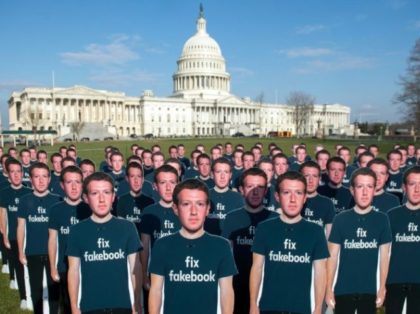
Facebook’s new private messaging app requests 24/7 access to users’ location, battery, workout data, and more, demonstrating that Mark Zuckerberg and the Masters of the Universe have a very different definition of privacy than their users.
Facebook CEO Mark Zuckerberg recently defended the company’s decision to encrypt its messaging services despite concerns over child safety and the rampant spread of child porn on the platform.
A recent report alleges that Google targeted homeless people with “darker skin tones” to capture their biometric data to improve the tech giant’s facial unlock system.
One of America’s largest media and communications companies, Comcast, has reportedly joined the regulatory fight against Google’s stranglehold on the online advertising market.

Food delivery company DoorDash has confirmed that it has suffered a data breach that affects 4.9 million customers, workers, and merchants.
Facebook said on Friday that it had removed “tens of thousands” of apps over concerns that they may have inappropriately accessed the personal data of its users.
Google pledged to do more to protect the privacy of users of its voice-activated Google Assistant devices, following reports that company contractors listened in on parts of private conversations.
A new report claims that confidential medical records for millions of Americans are publicly accessible online on unprotected servers. 187 public servers containing confidential medical records did not even have a password in place.

Researchers say they have discovered a data breach revealing sensitive personal information such as bank balances and salary information, that may impact over 20 million people, including nearly the entire population of Ecuador.

A new report claims that Android flashlight apps are requesting a large number of permissions on every install, giving them access to huge amounts of device information. For example, 180 different flashlight apps request access to your contacts list.
Facebook is warning iOS 13 and Android users that new mobile operating systems may prevent the platform from tracking its users as closely as it did before.

A federal judge has ordered Facebook to face a nationwide lawsuit seeking damages for allowing third parties to access users’ private data, calling Facebook’s views on privacy “so wrong.”
A number of popular period-tracking apps were discovered to be sharing sensitive user data with Facebook — even details on when a user last had sex.
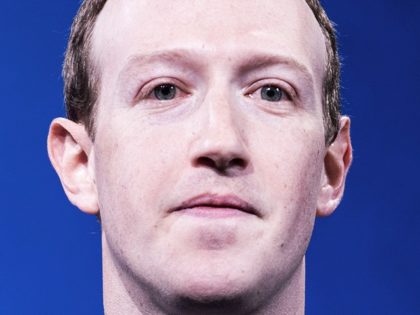
Facebook’s new dating feature has officially launched in the United States, but concerns over Mark Zuckerberg’s collection of even more personal data are already being raised.

A massive server with databases containing the phone numbers of 419 million Facebook users has been found online, exposing the contact details of people around the world, including 133 million Americans. The database was available on the Internet without any password or other protection.
Apple was granted three patents on Tuesday, one of which could make the band on the Apple Watch able to identify the wearer by creating a thermal image of the skin on the person’s wrist.
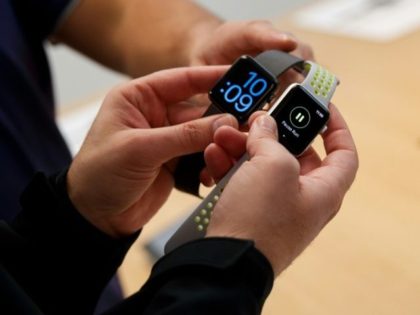
Google has been accused by its competitor in the browser space, Brave, of secretly funneling the personal data of its users to advertisers, according to a report in the Financial Times.
Google security researchers are claiming that they have found a number of malicious websites that could hack into Apple’s iPhones by exploiting undisclosed software flaws.

Twitter CEO Jack Dorsey had his twitter account hacked earlier today, with the hackers posting a string of racial messages and a false report of a bomb threat before he regained control of his account.

Google announced on Thursday that it will create a “privacy sandbox” for Chrome, in an attempt to give users more control over the web browser. Advertisers, however, will still be able to track consumers, as an engineer at the tech giant says that “large scale blocking of cookies” actually undermines privacy.
Contractors for Microsoft listened in on the audio of Xbox gamers speaking in their homes in order to improve the console’s voice command abilities. One contractor claims most of the recordings they reviewed were children.

MoviePass confirmed this week that a data breach potentially compromised thousands of credit card numbers belonging to their customers.
A Facebook tool rolling out in the coming months will allow users to see which apps and websites have tracked them and shared their personal data with Facebook while they were not using the social media platform.
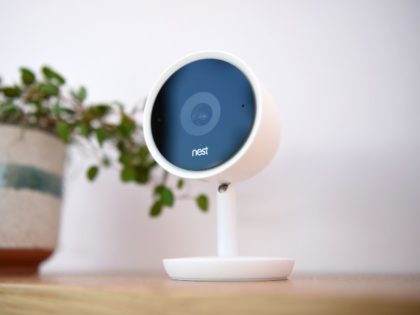
Tech giant Google is facing yet another privacy issue after vulnerabilities were revealed in the company’s Google Nest Cam IQ indoor security camera which could allow hackers to hijack the device.
A recent report claims that Google has shut down a service which showed wireless carriers weak spots in their network coverage over privacy concerns.
Tech giant Facebook failed to warn users about the risks attached to its single sign-on tool despite taking steps to protect employees from dangers, according to a lawsuit. According to the suit, Facebook knew about the vulnerability but failed to fix it for years.
In an update to the company’s privacy policy, tech giant Microsoft has noted that human workers may listen to Skype and Cortana recordings. This is an admission by the software giant that media reports in early August based on internal leaks about contractors monitoring Skype calls are correct.

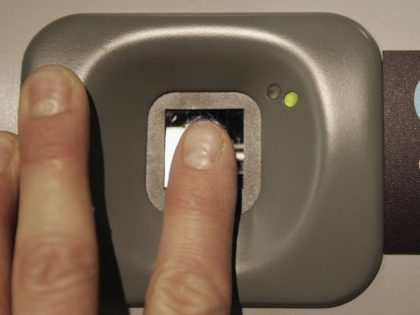
A major data breach reportedly found in biometrics security system “BioStar 2,” built by security company Suprema, has now made private data — such as fingerprints and facial recognition scans — public, affecting at least a million people. According to researchers, once biometric data is stolen, it cannot be retrieved, potentially affecting users “for the rest of their lives.”
Despite claims that Facebook was listening in on its users previously being dismissed as “conspiracy theories,” Mark Zuckerberg’s company recently admitted that it has been doing exactly that — listening to audio recordings of its users, using the excuse that Amazon, Apple, Google, and Microsoft do the same thing.
Tech giant Facebook is reportedly facing billions of dollars in potential damages as a federal appeals court rejected the firm’s argument to halt a class action lawsuit relating to the storing of biometric data of millions of users.
Social media company Twitter has admitted that an internal bug in its ad targeting system means that the site shared user data with advertising partners without consent.
A hacker can break into an iPhone by simply sending a text using an “interaction-less” bug in Apple’s iOS iMessage program, says Google Project Zero researcher Natalie Silvanovich.

A startup marketing firm based in San Francisco, California, appears to have been secretly saving millions of Instagram users’ “stories,” as well as tracking their locations. The Facebook-owned app has since issued a cease and desist letter to its trusted “marketing partner,” but the incident has revived concerns over Facebook’s apparent inability to protect its users’ data.