5 Ways to Protect Yourself from the Capital One Data Breach
Following news of the recent Capital One data breach which saw over 100 million Americans and 6 million Canadians left vulnerable, here are some ways to protect your personal data.

Following news of the recent Capital One data breach which saw over 100 million Americans and 6 million Canadians left vulnerable, here are some ways to protect your personal data.
According to a recent report, at least 140,000 social security numbers and 80,000 bank account numbers have been put at risk following a data breach involving more than 100 million credit card applicants’ information.

Apple contractors around the world regularly hear people having sex, discussing confidential medical and legal matters, and committing crimes such as drug deals, during quality control work for the Silicon Valey giant’s Siri virtual voice assistant.
A new study claims that it is quite easy to identify an individual from a database of anonymized information, even when personal details have been removed. The Silicon Valley Masters of the Universe claim that their usage and potential sale of user data to advertisers protects privacy by anonymizing the data, a claim shaken by the new study.
Silicon Valley tech giant Facebook will reportedly pay a fine of $5 billion to the FTC to settle allegations of mishandling of user data. FTC Commissioner Rohit Chopra called the settlement a “Terrible precedent,” arguing “Breaking the law shouldn’t be profitable.”
A computer hacker reportedly infiltrated the Bulgarian tax system and stole the personal details of every working adult in the country. Bulgarian Prime Minister Boyko Borissov called the young hacker accused of the crime a “wizard.”
A new report states that Google plans to close a privacy loophole in its Chrome web browser that allowed publishers to detect if users were in incognito mode and serve them different content.

A new study scanned 22,484 pornography sites and found them filled with trackers from major tech firms, including Google and Facebook.
Tech giant Google has reportedly terminated its censored Chinese search engine product known as “Project Dragonfly.”
FaceApp now owns access to images of over 150 million users’ faces and names, according to a Wednesday-published Forbes report.

An Australian cyber researcher alleges that social media giant Facebook embeds tracking codes in monitor who sees and shares your photos.
Tech giant Apple has shut down its “Walkie Talkie” app on Apple Watches after a security flaw was discovered that allowed strangers to listen in on a user’s iPhone.

A new report claims that Silicon Valley tech giant Google has been employing outside contractors to listen in on the voice recordings of its Google Assistant users without their knowledge.
According to a recent study, Google’s Android operating system is allowing more than 1,300 apps to bypass system permissions controlling access to user data to track users without their knowledge.
Legendary Silicon Valley genius and Apple co-founder Steve Wozniak warned Facebook users to find a way to get off the social media platform in a recent video.

Two security researchers announced on Tuesday that they were able to hack into a popular smart home security device after discovering a series of flaws that would allow a tech-savvy intruder to unlock a front door. The researchers revealed their findings only after the security flaws had been fixed, but the company has reportedly since discontinued the device in favor of a newer product.
A Chinese smart home equipment manufacturer recently faced a data breach which left 2 billion user logs vulnerable to hackers. The database included personally identifiable information from customers around the world including the United States.
The New York Times recently published an article outlining how a hacker infiltrated a popular grief support Facebook group, and the fact the company was slow to offer any help.
A new lawsuit alleges that information on shared medical records could be combined with Google’s location data to reveal identifying information about patients.
In a recent interview with CBS News, Instagram head Adam Mosseri assured users that Instagram isn’t listening in on people’s private conversations it’s just “dumb luck” that ads appear to be suspiciously accurate.
Professor Tom Bensky at California Polytechnic State University, San Luis Obispo, has developed an app that tracks classroom attendance using the GPS function on his student’s smartphones.

The Silicon Valley Masters of the Universe at Facebook has been removed from the S&P list of ethical companies following a number of scandals surrounding the company.
The Silicon Valley Masters of the Universe at Google are reportedly investigating an issue with the company’s Nest security cameras which allows previous owners of the cameras to spy on new users.

Google has launched a Chrome browser extension allows users to report suspicious sites to the firm to include in its “Safe Browsing” index.
According to a recent report, a computer science student has scraped seven million transactions from the Venmo payment processing app, highlighting vulnerabilities in the service. Users of the popular payment system owned by PayPal can secure the privacy of their account by following several simple steps.
A recent lawsuit is alleging that Amazon’s voice-controlled Alexa devices violate laws by recording children’s voices without their parent’s consent.

The Wall Street Journal reports that Facebook is worried that internal emails could show that CEO Mark Zuckerberg was aware of the company’s questionable privacy practices.
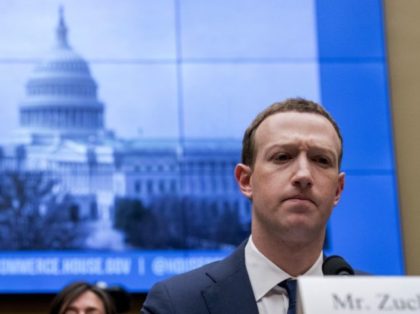
A recent report from MarketWatch claims that ahead of suspected antitrust investigations into Silicon Valley, tech giants may have to reveal to users how much their data is worth. User Data is the lifeblood of the Masters of the Universe, providing them with billions in profits based on targeted advertising.

A recent report from Business Insider outlines how Apple is attempting to battle Facebook and Google by focusing on user privacy — but this could create problems for many developers.
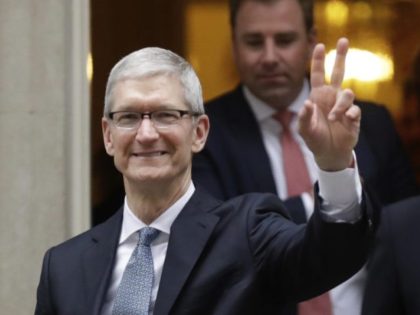
Failed presidential candidate Hillary Clinton is set to act as the keynote speaker at the upcoming Cyber Defense Summit 2019. Cybersecurity powerhouse FireEye claims that Clinton, despite claiming incompetence with technology, will hold an “intimate Q&A keynote discussion.”

The Independent recently published a report which investigates Apple’s top secret testing facilities where iPhone defenses are tested. Apple executives used the interview as an opportunity to push the company’s position on privacy, and fire back at Google’s attacks on Apple’s privacy focus.

E-commerce giant Amazon is reportedly developing a new voice-activated wearable device that can detect human emotions from the sound of your voice.
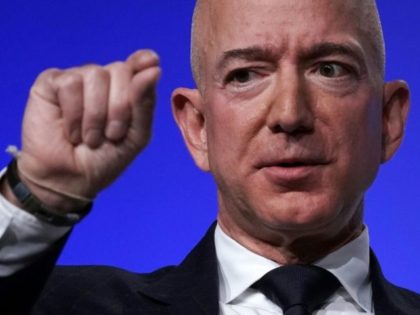
San Francisco’s Board of Supervisors voted this week to outlaw facial recognition surveillance technology that they say could have been used by the city government to invade on the privacy of its citizens.

A major security flaw in Facebook’s WhatsApp messaging program allowed hackers to remotely install surveillance software on both Apple and Google Android devices has been discovered.
Google has reportedly developed a new way to “disrupt” the $129 billion digital advertising industry while claiming to give users greater control over their online privacy through changes to how tracking cookies work.
Ride-sharing app Uber may have to turn to selling its vast trove of user data to finally turn a profit. Following the rest of the Silicon Valley Masters of the Universe, Uber could reportedly profit from user data, which an insider described as “a wildly successful data collection on who uses it and how they use it and where they go.”

A new report alleges that Facebook has thousands of foreign contract workers to manually read status updates and other content posted to the social media platform raising concerns over user privacy yet again.
According to Politico, Facebook’s new settlement with the FTC may include the formation of an independent privacy oversight organization.
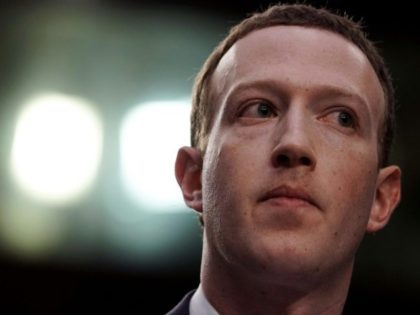
According to a recent study, health apps aimed at helping users quit smoking and beat depression are selling user data to the Masters of the Universe at Facebook and Google.
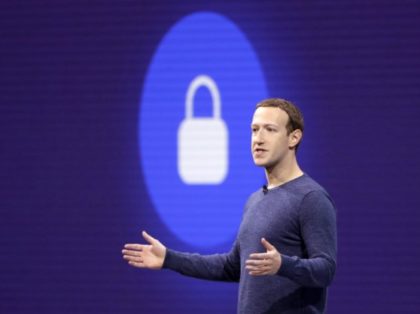
Facebook recently hosted its F8 developer conference where the issue of user privacy continued to be an overarching theme throughout the event. At the same time, the company seeks to learn even more about its users, like who their “secret crush” is.