Dow Drops 800 Points in Worst Sell-Off of the Year
Economic data showed the German economy contracted and China’s industrial production slowed, sparking huge sell off.
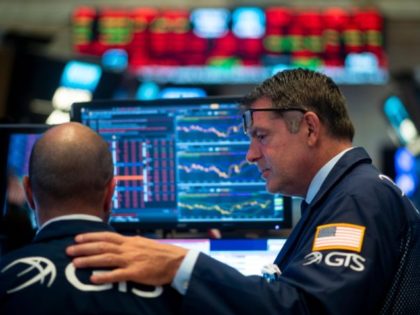
Economic data showed the German economy contracted and China’s industrial production slowed, sparking huge sell off.
Stocks opened lower to start the day and the sell-off accelerated in the final hours of trading.
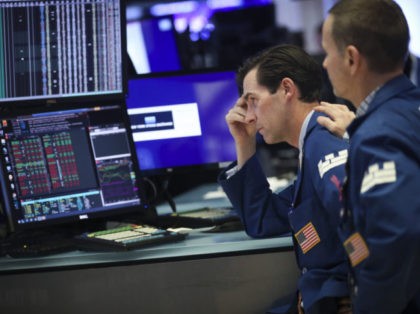
As China backed away from the threat of a currency war, stocks recovered some of the losses suffered on Monday.
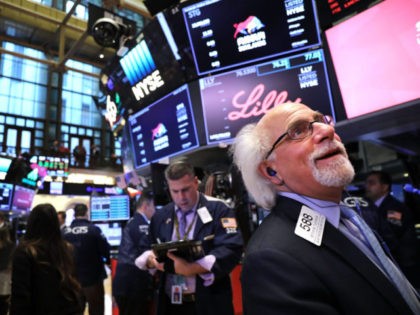
Stocks suffered their biggest sell-off of the year Monday Chinese retaliation against new U.S. tariffs escalated.
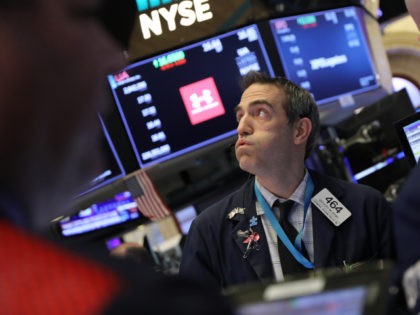
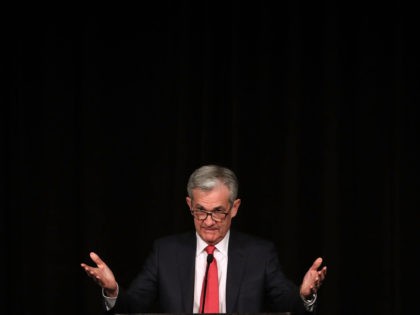
Fed chair Jerome Powell’s Capitol Hill testimony sent stocks climbing once again on Thursday, pushing the Dow to a record high close.
The Dow Jones Industrial Average had its best June since 1938 and the S&P its best first half since 1997.
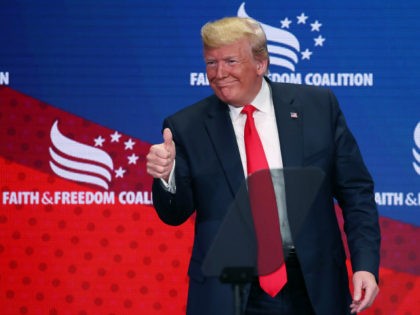
The Dow added more than 200 points on Tuesday as investors recovered from their tariff jitters. Tech stocks performed best.
The major stock indexes all declined on Monday as the market digested the news that China would retaliate against U.S. tariffs.
Trump’s tweets seemed to provide some comfort to Wall Street. Stocks jumped higher right after they hit the digital airwaves.
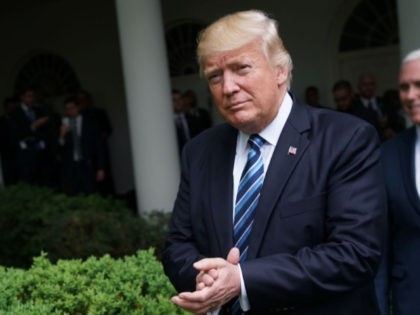
No big relief rally as the shutdown goes out with a whimper.
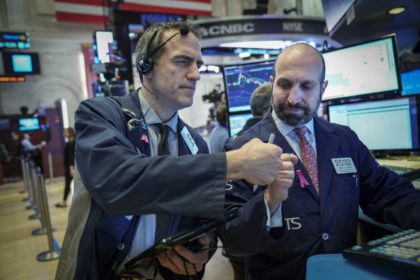
Ever since the big Christmas Eve sell-off, stocks have been recording surprisingly strong gains.
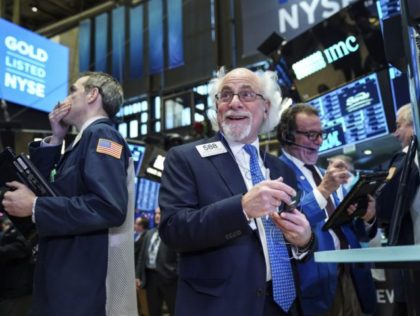
Soothing noises from Fed Chair Jerome Powell and an expected end of the year jobs boom sent stocks flying higher Friday.
The tough day in equity markets.
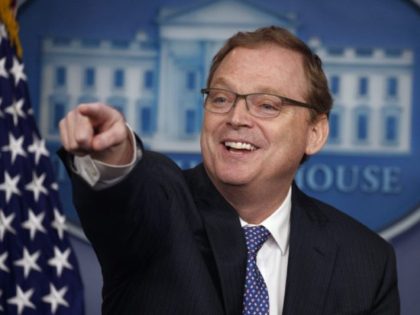
Stocks began the year with a bit of rising optimism.
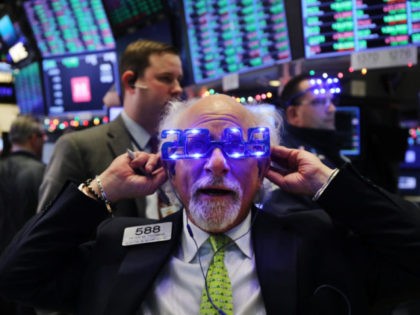
A very tough end to a week of turmoil on Wall Street.
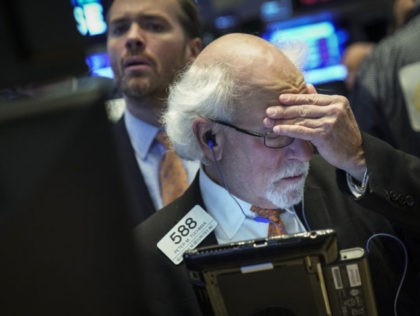
The stock market plunged in the first hour of trading after retailers reported disappointing quarterly results.
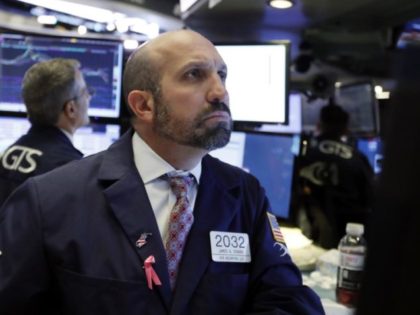
Investors appear relieved to have the midterms in the rear-view mirror.
#Resist is a bad investment strategy.
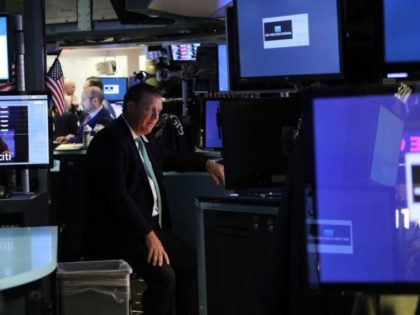
A big bounce after Monday’s big stock sell-off.
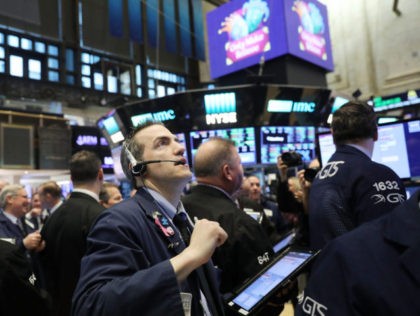
Political change is sweeping the globe and investors appear to like what they see.

The Dow Jones Industrial Average has now erased all of its gains for the year.
Higher wages will not be good for corporate earnings, even though they may be necessary to sustain our economic expansion.
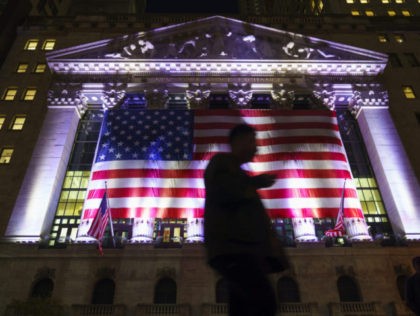
A broad rally pushed up stocks in every sector of the economy Tuesday.
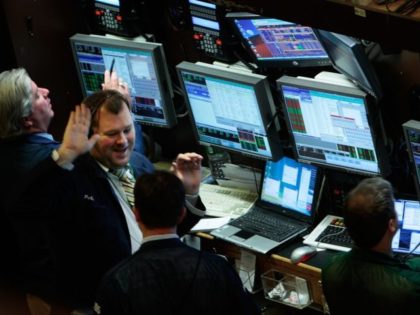
U.S. stocks fell sharply for a second day in a row,.
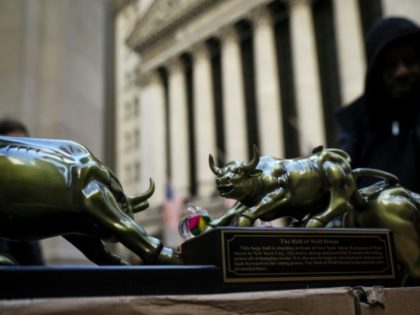
Wednesday’s stock sell-off was broad and deep, with many tech stocks bearing the brunt of investor concerns over interest rates and Chinese espionage.
Signs that the labor market has continued to tighten has pushed up bond yields and weighed on stocks.
The new records come just days after the Trump administration announced that it was placing tariffs on an additional $200 billion of Chinese goods.
One month after Apple rose above the $1 trillion mark, Amazon becomes the second company to pass the milestone.
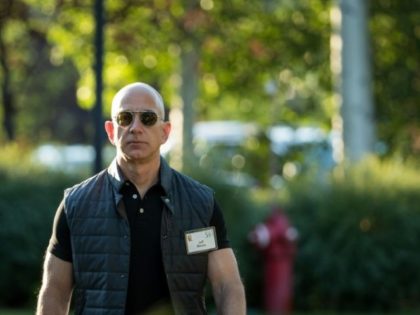
Stocks have been boosted by strong economic numbers. And president Donald Trump is taking notice.
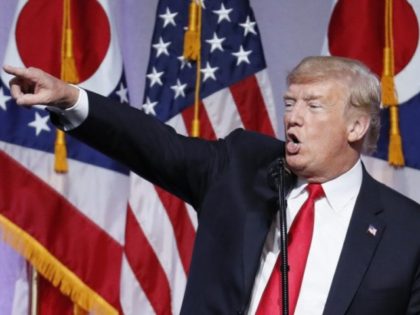
The prior record was held in the bull market that ran from October 1990 and ended with the popping of the tech bubble in March 2000.
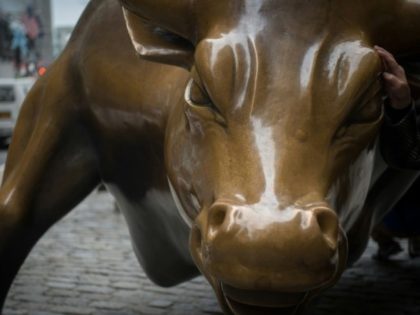
The bull market in U.S. stocks is now tied with its all-time record.
The SEC is looking into whether Musk intentionally misled investors in a bid to hurt short sellers by driving up the price of Tesla’s stock.

Stocks of global companies with extensive China exposure suffered most while smaller, domestically focused stocks actually rose Tuesday.
Stocks tumbled Tuesday after President Trump promised hundreds of billions in new tariffs in response to China trade retaliation.
More than one quarter of stocks traded on the Shanghai exchange fell by 10 percent, the one-day limit for Chinese stocks. The Shanghai Composite Index dived below 3,000.
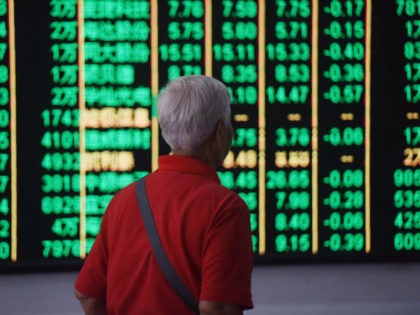
All the sound and fury over tariffs and retaliation was met with a very small decline in major stock market indexes.
President Sergio Mattarella made the surprise announcement Sunday that he would refuse to appoint Paolo Savona as prime minister. Instead of calming markets, this sparked a selloff in stocks and bonds on Monday.

The Dow Jones Industrial Average went on a wild ride. In early trading, the index climbed more than 200 points, only to fall to midday lows of around a 600 point loss.
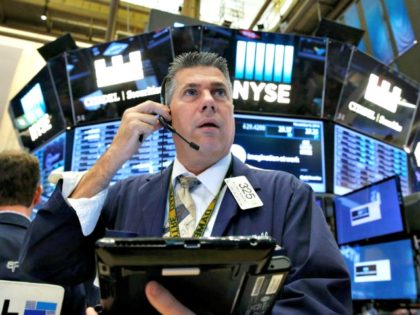
U.S. stocks spent most of the day like a well made cocktail: mixed but not too strong. Then things got ugly in the final hour before the close.
Investors were cheered by signs that the Trump administration’s trade policies appear to be producing cooperation and compromise rather than sparking a trade war.