Global Markets Celebrate Election of Bolsonaro and Downfall of Merkel
Political change is sweeping the globe and investors appear to like what they see.

Political change is sweeping the globe and investors appear to like what they see.
The Dow Jones Industrial Average has now erased all of its gains for the year.
Higher wages will not be good for corporate earnings, even though they may be necessary to sustain our economic expansion.
A broad rally pushed up stocks in every sector of the economy Tuesday.
U.S. stocks fell sharply for a second day in a row,.
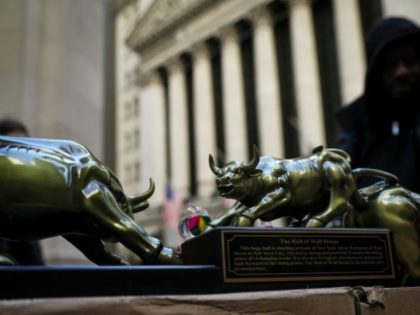
Wednesday’s stock sell-off was broad and deep, with many tech stocks bearing the brunt of investor concerns over interest rates and Chinese espionage.
Signs that the labor market has continued to tighten has pushed up bond yields and weighed on stocks.
The new records come just days after the Trump administration announced that it was placing tariffs on an additional $200 billion of Chinese goods.
One month after Apple rose above the $1 trillion mark, Amazon becomes the second company to pass the milestone.
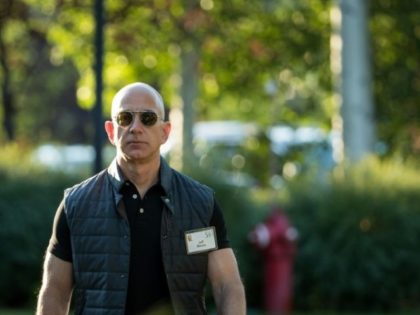
Stocks have been boosted by strong economic numbers. And president Donald Trump is taking notice.
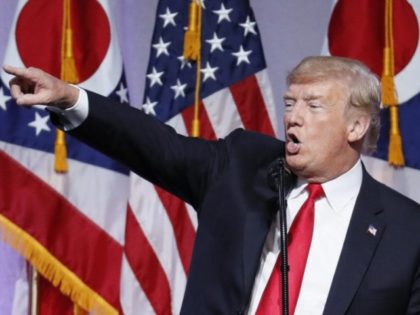
The prior record was held in the bull market that ran from October 1990 and ended with the popping of the tech bubble in March 2000.
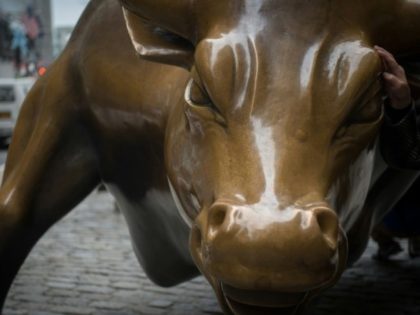
The bull market in U.S. stocks is now tied with its all-time record.
The SEC is looking into whether Musk intentionally misled investors in a bid to hurt short sellers by driving up the price of Tesla’s stock.
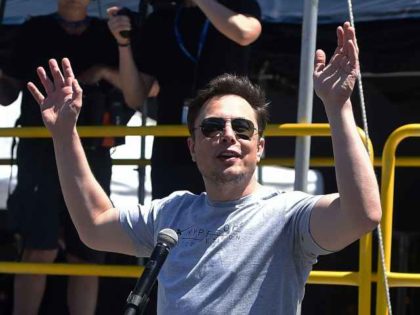
Stocks of global companies with extensive China exposure suffered most while smaller, domestically focused stocks actually rose Tuesday.
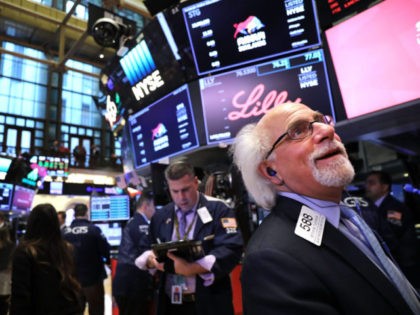
Stocks tumbled Tuesday after President Trump promised hundreds of billions in new tariffs in response to China trade retaliation.
More than one quarter of stocks traded on the Shanghai exchange fell by 10 percent, the one-day limit for Chinese stocks. The Shanghai Composite Index dived below 3,000.
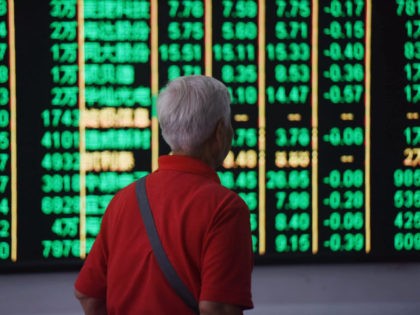
All the sound and fury over tariffs and retaliation was met with a very small decline in major stock market indexes.
President Sergio Mattarella made the surprise announcement Sunday that he would refuse to appoint Paolo Savona as prime minister. Instead of calming markets, this sparked a selloff in stocks and bonds on Monday.

The Dow Jones Industrial Average went on a wild ride. In early trading, the index climbed more than 200 points, only to fall to midday lows of around a 600 point loss.
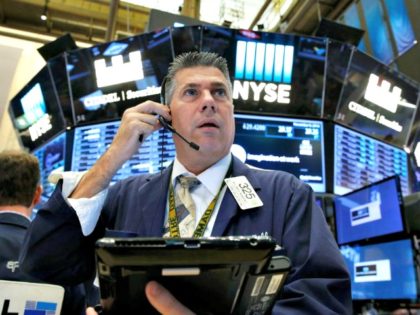
U.S. stocks spent most of the day like a well made cocktail: mixed but not too strong. Then things got ugly in the final hour before the close.
Investors were cheered by signs that the Trump administration’s trade policies appear to be producing cooperation and compromise rather than sparking a trade war.
Stocks rose on Friday. Shares of luxury retailer Tiffany & Co, however, fell by nearly 6%. And Toys R Us was shuffled off to the Island of Misfit Toys.

Stocks of the biggest U.S. multinational companies were hit the hardest by a sell-off that accelerated after the Trump administration announced new steel and aluminum tariffs.
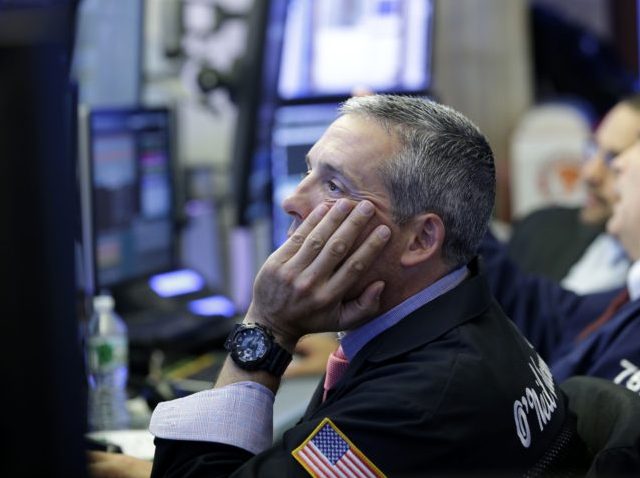
Despite inflation data showing prices rising faster than expected, stocks rose on Wednesday and economists reduced Q1 GDP estimates.
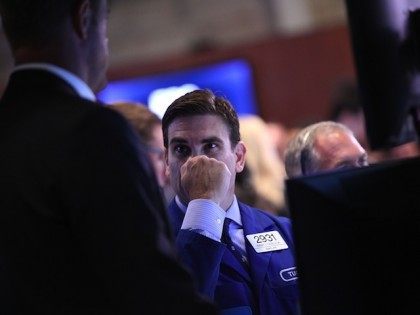
Monday’s gains were spread widely through the market with 10 of the 11 S&P sectors up. The energy sector saw the best performance of the day, boosted by rising energy prices.
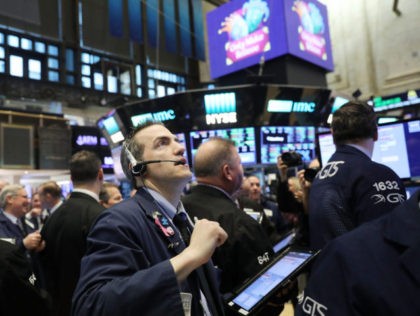
In a wild end to a wild week in the stock market, the Dow Jones Industrial Average stocks fall by as much 500 points only to soar later.
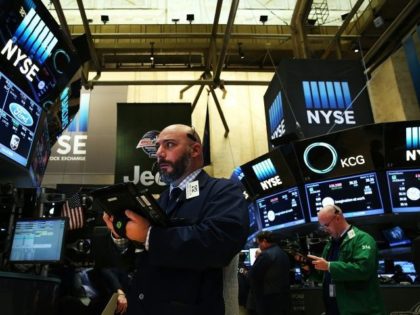
With another morning plunge, followed by a rally, followed by a tumble, stocks put investors on a wild ride Wednesday.
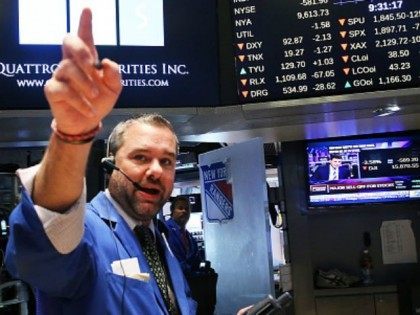
After crashing downward at the open, stocks rose to end the day in positive territory, producing a wild day.
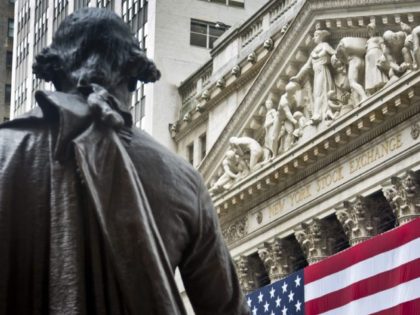
Not since before World War II has the Dow Jones Industrial Average seen a rise as powerful as what we saw in Donald Trump’s first year.
The stock market is the closest thing America has to an instant gauge on economic news. Even if it is an often fickle judge, the stock market bears watching when economically relevant news breaks.
First we controlled the election, next the presidency, now the stock market.

Huzzah, however, soon turned to Oops.
Shares of many of the companies whose CEOs rebelled against Trump saw there biggest declines in months.
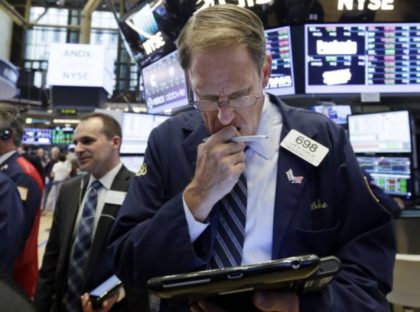
The largest decline since September 2016.
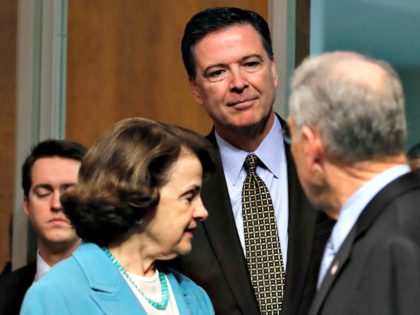
Investors have clearly been spooked by the leak storm swirling around the White House.
Millennials who rushed to buy shares of the company behind Snapchat lost a lot of money this week.

No modern president taking office in an expanding economy has seen stocks rise by as much in his first 100 days in office as they did during Trump’s.
Despite the scary headlines about the “longest losing streak,” it’s the markets resilience that is truly remarkable. Many analysts and talkative investor-types had insisted the market would view the Obamacare replacement bill as a test of the Trump administration’s ability to enact its agenda. So when the bill seemed to be in trouble last week and, especially, when it went down in flames on Friday, stocks were widely expected sell off steeply. But that just keeps not happening.
Analysts are warning that Disney’s stock may run flat this year, not because it is doing so badly but because one of its properties, ESPN, has become a major drag on the entertainment giant’s budget.

Waking to the fact that the death of RyanCare won’t kill tax cuts or regulatory reforms, cooler heads are prevailing on Wall Street.