The International Monetary Fund (IMF) offered a dismaying projection for Japan’s economy on Friday, projecting mediocre growth in the first half of 2026 that will cause Japan’s Gross Domestic Product (GDP) to fall behind India’s.
Japan experienced its first negative growth in six quarters during the July-September period, under pressure from President Donald Trump’s tariffs, and a growing political and economic dispute with China broke out in November, cutting into Japan’s income from trade and tourism.
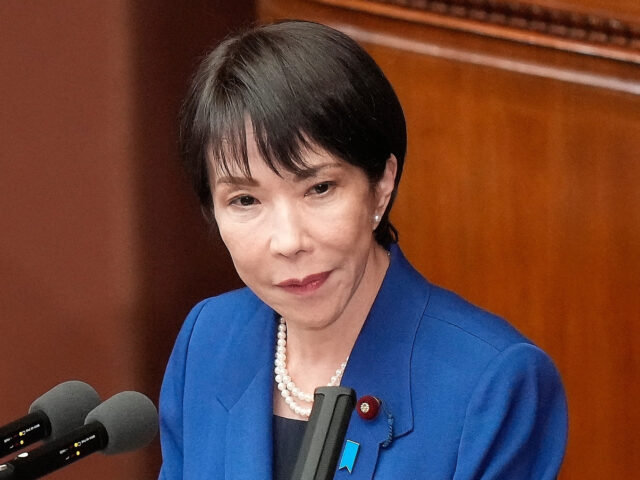
Japan’s run of bad economic news, and promises of more government spending by Prime Minister Takaichi Sanae, are weakening the yen and adding to Japan’s economic woes.
“There is no denying the risk of an intensifying stagflation phase — meaning high inflation amid low growth – if inflationary pressure from the yen’s depreciation offsets the effects of measures against rising prices,” senior economist Koshiyama Yusuke of Mizuho Research & Technologies told Kyodo News on Friday.
The IMF took these factors into account when predicting that Japan’s economy would return to a modest growth curve in 2026, but that growth would not be robust enough to outweigh the declining value of the yen and decreased productivity from Japanese industries. The net result would be Japan slipping to become the world’s fifth-largest economy, losing the Number Four spot to India. The three largest economies are the United States, China, and Germany.
The Indian government already believes India has surpassed Japan, with GDP growth of seven to eight percent over the past year, and could pass Germany by the end of 2030. The IMF, World Bank, and India’s own economists are all projecting growth of six to seven percent for India next year, with a few outliers anticipating over seven percent.
The IMF previously projected 1.1 percent GDP growth for Japan in 2026, but newer estimates have been reduced to 0.9 percent. Most economists believe Japan will struggle to grow more than one percent.
Takaichi has proposed an aggressive “growth strategy” to set things right, but economists worry that some of her spending proposals involve more spending to mitigate the effects of inflation on consumers, and the higher spending levels could simply make inflation worse. Critics also say Takaichi’s plan ignored some industries with growth potential, like robotics and decarbonization, and should be revised to include them.
Looming over every long-term projection is Japan’s steep demographic decline. The aging population requires ever-higher levels of social spending to cover its needs, while fewer workers are being born to provide the necessary taxes and industrial output.
Kyodo News quoted Nomura Research institute executive economist Kiuchi Takahide warning that Japanese corporations will “become pessimistic about the potential growth of the Japanese market,” and accordingly “curb domestic investment,” if birthrates do not improve soon.
COMMENTS
Please let us know if you're having issues with commenting.